
Safe Home Handyman Services for Seniors in Jacksonville
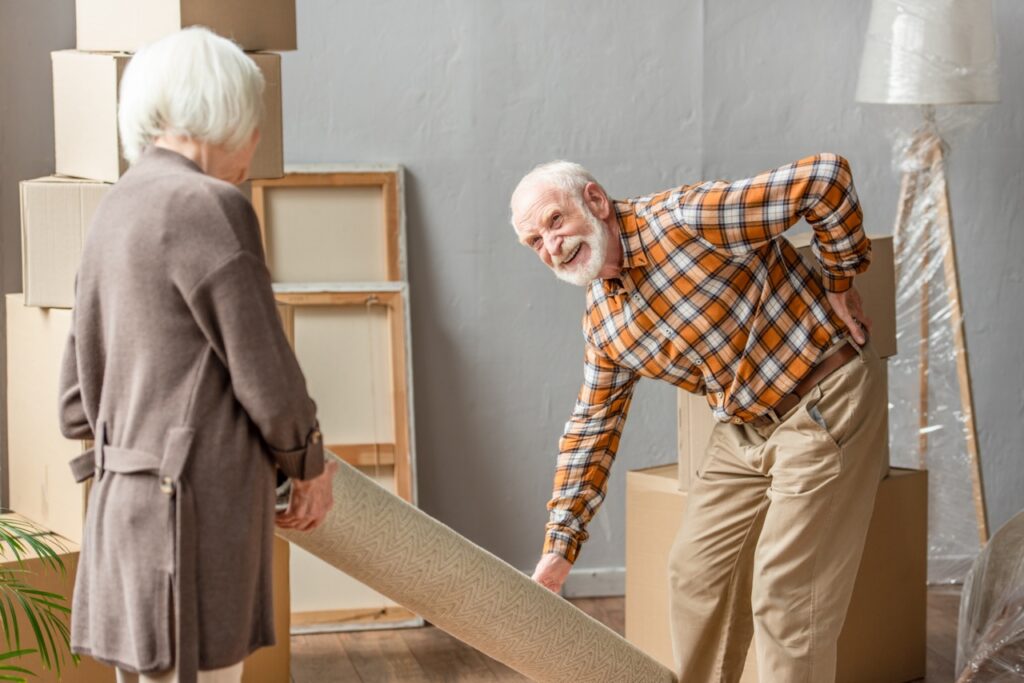
Staying safe and independent at home should feel simple. With the right upgrades, you can remove hazards, reduce maintenance, and protect your daily routines. If you or a loved one lives in Jacksonville, you face unique conditions. Humidity, coastal weather, and older housing stock demand smart choices and reliable execution. You do not need a full remodel to see big gains. A skilled local team can deliver focused fixes that improve mobility, lighting, and comfort fast. Jax Beach Handyman helps seniors and families plan and complete the right projects with less stress.
Many homeowners exploring handyman services Jacksonville FL want targeted upgrades that make living spaces safer and easier to navigate. Local pros understand how humidity affects flooring traction, how coastal conditions wear down grab bars and railings, and how lighting needs change in older homes. Their experience helps you choose improvements that support stability, visibility, and day-to-day independence.
Why Senior-Friendly Home Modifications Matter
Risk increases with age. Vision changes. Balance changes. Grip strength changes. Floors, bathrooms, and stairs become more dangerous. You can lower that risk with targeted upgrades. You will navigate more safely. You will rely less on others. You will stay in your home longer.
What problems do seniors face at home?
- Slippery surfaces cause falls
- Poor lighting hides hazards
- High thresholds trip feet or walkers
- Hard-to-reach switches and outlets strain shoulders
- Narrow doors block mobility devices
- Heavy doors and tough hardware challenge weak hands
How do modifications help right away?
- Non-slip flooring reduces slips
- Grab bars provide steady support
- Better lighting improves visibility
- Handrails guide movement on stairs and steps
- Door and threshold changes remove trip points
- Smart controls lower effort and increase confidence
Why handyman services for seniors Protect Independence
You want quick, safe, and code-compliant work. You want practical advice. You want the right fix the first time. A seasoned handyman team bridges the gap between small DIY and large remodels. You get accessible upgrades with minimal disruption. Most projects finish in a day or less. That speed matters when you need safer spaces now.
Most Important Safe Upgrade Areas
Bathroom
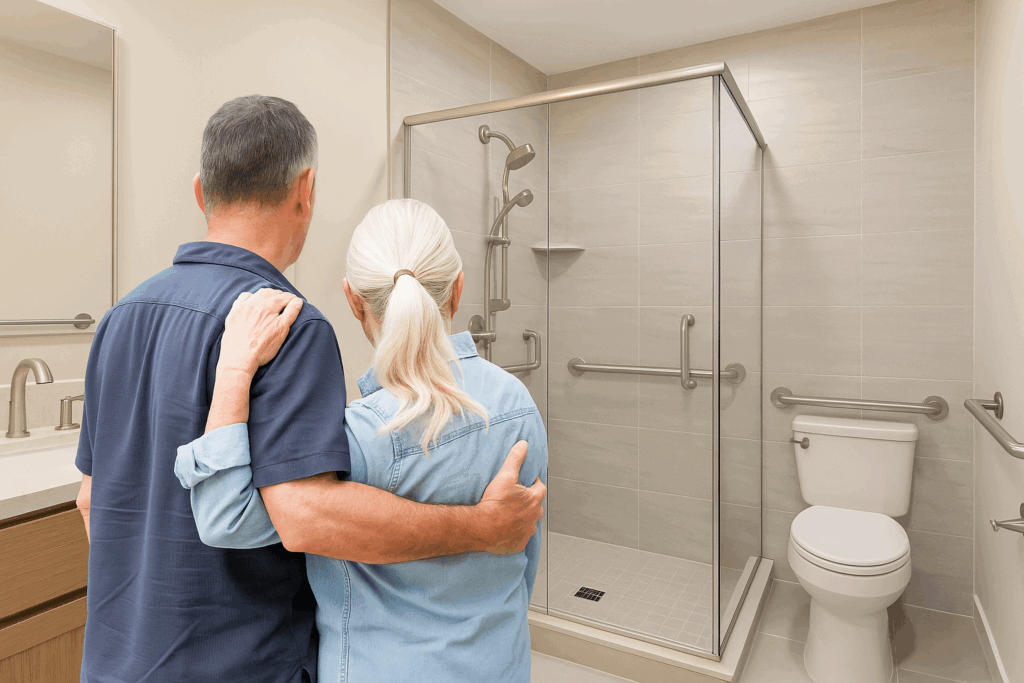
The bathroom presents the highest risk. Water, hard surfaces, and tight spaces create danger. Start here.
- Install grab bars at the shower, tub, and toilet
- Add a handheld showerhead with temperature control
- Replace the tub with a low-threshold or curbless shower
- Lay non-slip flooring and anti-slip strips
- Raise the toilet or install a comfort-height model
- Use lever handles for faucets
- Add bright, even lighting with nightlights
Lighting
Light every path you walk at night. Focus on entrances, hallways, the bathroom, and the kitchen.
- Replace dim bulbs with bright, warm LED lighting
- Add motion-activated nightlights in halls and bathrooms
- Install three-way switches at stairs and long halls
- Use rocker switches placed at reachable heights
Stairs and Steps
- Add sturdy handrails on both sides
- Secure loose treads and nosings
- Apply high-contrast, non-slip edge tape
- Improve lighting at top and bottom landings
Flooring
- Remove throw rugs or secure with anti-slip backing
- Replace high-pile carpet with low-pile options
- Use slip-resistant vinyl or rubber in kitchens and baths
- Transition strips that are low and beveled
Doors and Entry
- Replace round knobs with levers
- Install offset hinges to widen doorways
- Lower thresholds and add ramps if needed
- Add peepholes or smart door viewers at the right height
Table: Common Hazards vs Handyman Fixes
| Hazard | What it causes | Handyman fix | Priority | Approx. cost | Typical time |
|---|---|---|---|---|---|
| Slippery tub/shower | Falls while bathing | Grab bars, non-slip strips, handheld shower | High | $200–$800+ | 2–6 hours |
| Dim hallways | Trips at night | LED lights, nightlights, motion sensors | High | $150–$500 | 1–3 hours |
| Loose stair treads | Missteps and falls | Secure treads, add railings, edge tape | High | $250–$900 | 3–6 hours |
| High thresholds | Trips and blocked walkers | Beveled transition or small ramp | High | $120–$450 each | 1–2 hours |
| Narrow interior doors | Wheelchair and walker access limits | Offset hinges or reframing | Medium | $60–$150 per door for hinges | 1 hour each |
| Hard-to-turn knobs | Wrist strain and pain | Lever door and faucet handles | Medium | $40–$150 per handle | 30–60 minutes |
| Clutter and cords | Trips and snags | Cord covers, storage, layout changes | Medium | $50–$250 | 1–2 hours |
| Poor outdoor lighting | Falls at entries | Motion lights, brighter fixtures | High | $120–$350 per fixture | 1–2 hours |
Note: Prices vary by materials, scope, and site conditions. Many safety upgrades finish in a single visit.
Benefits of Hiring Local Professionals
Why hire local in Jacksonville?
- Familiarity with Florida building codes and permitting
- Experience with humidity, corrosion, and coastal wear
- Faster onsite response and scheduling
- Vendor relationships for better materials and pricing
- Accountability from a nearby team
What does a good local handyman do differently?
- Recommends materials that resist salt air and moisture
- Checks for hidden moisture issues behind wet walls
- Uses stainless or coated fasteners to prevent rust
- Plans upgrades around hurricane season timing
How handyman services for seniors support aging in place
Seniors want stability, routines, and control. Small changes deliver large wins. You can bathe with confidence. You can move through halls without fear. You can open doors, reach switches, and cook with less strain. A handyman sets up these wins with low-disruption projects that match your budget and schedule.
What outcomes should you expect?
- Fewer fall risks in high-use areas
- Better mobility with walkers and wheelchairs
- Reduced caregiver support for simple tasks
- Lower maintenance demands
- Peace of mind for family members
Signs Your Home Needs Accessibility Upgrades
- New scuff marks on walls at shoulder or hip height
- Recent near-misses on stairs or in the shower
- Nighttime trips to the bathroom feel risky
- Rugs slide or curl at the corners
- Difficulty turning door knobs or faucet handles
- Blind spots at entries after sunset
- Water puddles linger on bathroom or kitchen floors
Bathroom Safety Features That Matter
What should you install first?
- Two or more grab bars in the shower or tub
- One grab bar near the toilet
- Non-slip flooring or adhesive strips
- Comfort-height toilet or riser
- Adjustable handheld showerhead
- Bright lighting and a motion nightlight
Where should you place grab bars?
- Shower entry at the vertical edge for support when stepping in and out
- Along the back wall for balance while washing
- At the control wall to steady hands while adjusting water
- Beside the toilet at 33–36 inches to help sit and stand
What materials work best?
- Stainless steel bars with textured grip
- Stud-mounted or secure anchors rated for 250 pounds or more
- Corrosion-resistant fasteners
Grab Bars and Railings: Where to Install and Why
Stairs and steps
- Handrails on both sides reduce sway
- Continuous rails prevent missed grasps
- High-contrast ends mark start and stop points
Porch and garage entries
- Rails at each step
- Stable landing with non-slip surface
- Motion-activated lighting at the door
Entry Ramps and Door Adjustments: What to Know
Do you need a ramp?
You might if you use a walker, wheelchair, or scooter. You might if you struggle with steps after a medical event. A short threshold ramp removes a common trip point. A modular or custom ramp improves access for the long term.
Which door changes help the most?
- Offset or swing-clear hinges give you 1.5–2 inches more width
- Lever handles beat knobs for grip
- Self-closers set to safe tension prevent slams
- Lowered peephole or digital viewer adds visibility
Electrical and Lighting Upgrades for Safer Navigation
What should you upgrade?
- LED bulbs with 2700–3000K color for warm clarity
- Under-cabinet lights in the kitchen
- Occupancy sensors in halls, baths, and closets
- Additional outlets to remove extension cords
- GFCI protection in kitchens, baths, and garages
How do switches and controls improve safety?
- Rocker or paddle switches need less force
- Three-way controls at both ends of a hall or stair
- Smart dimmers set schedules for evening lighting
Technologies to Enhance Safety and Comfort
What simple tech upgrades deliver value?
- Smart doorbell or viewer to screen visitors
- Voice or remote-controlled lights for hands-free use
- Smart thermostat with large, readable display
- Stove monitoring devices or auto shutoff add protection
- Water leak sensors near water heater, washer, and sinks
How do you keep tech simple?
- Use one app for lights and thermostat if possible
- Place physical backup controls where you can reach them
- Label switches and remotes with large print
How to Budget for Modifications
What do common projects cost?
- Grab bars installed: $200–$500 per bar depending on wall backing and finish
- Handrails on a staircase: $300–$1,200 based on length and style
- Threshold ramps and transitions: $120–$450 each
- Lighting upgrades and sensors: $150–$600 per area
- Lever door handle swaps: $40–$150 per door
- Low-threshold shower conversion: $2,500–$8,000+ depending on tile and plumbing
How do you plan a phased approach?
- Start with high-risk areas like the bathroom and stairs
- Fix lighting and electrical next
- Address doorways and thresholds
- Layer in smart controls for comfort
- Plan larger projects, such as showers, during off-peak seasons
What saves money without cutting safety?
- Use off-the-shelf grab bars with safe ratings
- Choose durable vinyl or LVP over tile in some areas
- Install swing-clear hinges before reframing doors
- Bundle multiple small tasks into one service visit
Preventive Care Projects You Should Prioritize
Prevention costs less than repairs or injuries. Jacksonville’s humidity and salt air add risk. Simple steps reduce wear and health hazards.
- Seal bathrooms and kitchens to block moisture intrusion
- Replace caulk and grout before water seeps into walls
- Check water heater pans and install a leak sensor
- Inspect exterior doors and windows for drafts and rot
- Service exhaust fans and dryer vents for airflow
- Clean gutters and downspouts to move water away from entries
Related Resources and Guides
- Read practical mold and mildew prevention tips for older homes to protect indoor air quality and finishes
- Plan your projects better with this guide to common handyman mistakes to avoid in Jacksonville
Guide: What to Ask Before Hiring a Handyman
What should you verify first?
- Do you have current licensing and insurance for my project type
- How many similar senior safety upgrades have you completed in the past year
- Can you provide a written estimate with scope, materials, and timeline
- Who performs the work and who supervises the job
- What warranty do you offer on labor and materials
How do you judge quality and fit?
- Ask how they mount grab bars into studs or use rated anchors
- Request material specs for corrosion resistance
- Look for clear communication and punctuality during the estimate
- Ensure they clean up daily and protect walkways
What scheduling questions matter?
- How soon can you start and how long will the job take
- Can you consolidate tasks to reduce visits
- Do you offer morning arrival windows for caregiver coordination
Checklist: Senior-Friendly Home Walkthrough Every Year
Use this quick walkthrough to spot issues fast. Repeat it each spring or after any health change.
Exterior and Entry
- Walkways free of cracks and lifted edges
- Entry lights bright and motion-activated
- House numbers large and visible
- Thresholds low and secure
- Handrails sturdy at steps and porches
Living Areas
- Rugs secured or removed
- Cords covered and out of walkways
- Clear pathways at least 36 inches wide
- Furniture arranged to support steady movement
- Light switches reachable without stretching
Kitchen
- Frequently used items in waist-to-shoulder height zones
- Under-cabinet lighting working
- Non-slip mats near sink and range
- Fire extinguisher charged and visible
- Stove controls easy to read
Bathroom
- Grab bars tight and at correct height
- Non-slip surfaces in shower and near vanity
- Nightlight with sensor installed
- Comfort-height toilet secure
- Shower seat stable if used
Bedroom
- Bed height allows safe sitting and standing
- Clear path to bathroom
- Lamp or switch within arm’s reach
- Phone or call device near bed
Stairs and Hallways
- Handrails continuous on both sides
- Non-slip or low-pile stair covering
- Edge markers visible on first and last step
- Three-way lighting controls installed
Safety and Systems
- Smoke and CO alarms tested and within date
- GFCI outlets working in wet areas
- Leak sensors tested near water sources
- HVAC filters replaced
Value Over Time: Why Early Safety Upgrades Pay Off
How do early upgrades save you money?
- Fewer injuries reduce medical expenses and disruptions
- Energy-efficient lighting lowers bills
- Moisture control preserves walls and floors
- Durable materials reduce repair cycles
Simple ROI view
| Upgrade | Upfront cost | 5-year benefits | Notes |
|---|---|---|---|
| LED lighting and sensors | $300–$1,200 | Lower energy, fewer falls, easier navigation | Immediate comfort boost |
| Grab bars and handrails | $400–$1,800 | Major fall risk reduction | High impact per dollar |
| Threshold and doorway updates | $200–$1,000+ | Better mobility device access | Quick install |
| Moisture control and sealing | $250–$900 | Protects finishes and air quality | Works well in humid climates |
FAQ: Handyman Services for Seniors in Jacksonville
What is the first safety upgrade I should do?
Fix bathroom hazards first. Install grab bars, add non-slip surfaces, and improve lighting. These changes cut risk fast.
How long does a typical safety visit take?
Many homes see major improvements in one day. A visit can include bars, lighting, door handles, and threshold fixes.
Do I need permits for these upgrades?
Most small upgrades do not need permits. Electrical work, structural changes, or large ramps may. A local pro will advise.
Can I phase projects over time?
Yes. Start with the bathroom and stairs. Then address lighting, thresholds, and doors. Schedule larger projects later.
How do I prepare for installation day?
Clear walkways. Move personal items from work areas. Share any mobility or medical considerations with the team. Plan a safe spot to rest during work.
What materials hold up best in Jacksonville?
Choose stainless hardware, moisture-resistant flooring, mold-resistant caulk, and corrosion-resistant fasteners.
What if a family member has memory loss?
Use consistent lighting schedules, labels on switches, simple remotes, and clear pathways. Secure rugs and cords. Install monitored sensors if needed.
Putting It All Together
You can create a safer home without a full remodel. Start with the bathroom. Upgrade lighting in halls, stairs, and entries. Add handrails and grab bars. Fix thresholds. Use smart controls that simplify daily tasks. Plan prevention projects that fight humidity and wear. If you want skilled, local help, contact Jax Beach Handyman for a home safety walkthrough, a clear scope, and a fair quote. Schedule your inspection or request an estimate today.
