
Energy‑Efficient Home Upgrades for Jacksonville Beach Heat: What Every Homeowner Should Know with Handyman Services
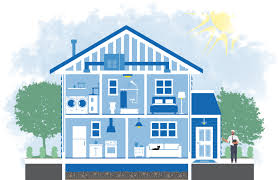
Jacksonville Beach summers bring blazing sun, heavy humidity, and salt‑air exposure that can quietly drain your wallet through elevated cooling costs. Many coastal homes—especially those built before modern codes—leak conditioned air, struggle with moisture, and rely on aging materials that underperform when the thermometer spikes. The good news: targeted, energy‑efficient upgrades can cut bills, boost comfort, and protect your home for years to come.
If you’re wondering where to start, you’re not alone. This guide breaks down the smartest, highest‑impact improvements for our climate, when to DIY vs. hire a pro, and how to plan upgrades over the Florida seasons. For homeowners who prefer turnkey help, Jax Beach Handyman offers local expertise with coastal materials, salt‑air challenges, and humidity control—so your investment pays off quickly.
Owner Mark and his team understand how Atlantic winds, UV exposure, and afternoon storms change the way homes should be insulated, sealed, and ventilated. Let’s dive into the questions Jacksonville Beach homeowners ask most—and the upgrades that deliver real comfort and savings.
Why Does Energy Efficiency Matter for Jacksonville Beach Homes?
Q: Is energy efficiency really different at the beach?
A: Yes. Our coastal climate brings three constant pressure points: humidity, heat, and salt air. These factors force your HVAC to work harder, accelerate wear on materials, and magnify even small air leaks and insulation gaps. Energy efficiency here isn’t just about saving on utilities—it’s also about moisture control, indoor air quality, and protecting your home’s envelope from coastal deterioration.
Q: What’s the payoff for getting upgrades right?
A: Expect lower utility bills, fewer hot spots, a quieter home, better indoor air quality, and reduced strain on your HVAC equipment. Many families see a 10%–30% reduction in cooling costs by combining sealing, insulation, strategic shading, and smarter controls. You’ll also gain resilience: better moisture management helps curb mold risks, protects wood and finishes, and extends the life of windows, doors, and your roof.
What Are the Top Energy‑Efficient Upgrades for a Cooler Home?
Every home is unique, but the upgrades below consistently deliver value in Jacksonville Beach. Start with the envelope (sealing, insulation, shading) before or alongside equipment improvements for the biggest impact.
Window Treatments & Insulation: Which Options Cool Best?
Q: What’s the smartest way to keep sun and heat out?
A: Combine exterior shading with interior light control. Exterior solutions—like solar screens, awnings, or hurricane‑rated shutters—block heat before it hits the glass. Inside, choose thermal/room‑darkening drapes, cellular shades, or reflective films. In sunny rooms, this two‑layer strategy can reduce solar heat gain dramatically and cut afternoon AC runtime.
Q: How does insulation fit in for coastal homes?
A: Proper attic insulation is essential. In many older Jacksonville Beach homes, insulation is sparse or settled. Upgrading to the recommended R‑value for our region and pairing it with air sealing often yields immediate comfort improvements—especially in second‑story or vaulted rooms. In many cases, adding baffles and ensuring clear soffit‑to‑ridge airflow helps insulation perform at its best.
Cool Roofing & Attic Ventilation: Are They Worth It?
Q: What is a cool roof, and does it work here?
A: A cool roof uses materials and colors that reflect more sunlight and absorb less heat. In our climate, it can help lower attic temperatures dramatically, reducing the heat radiating into your living spaces and easing the burden on your AC. If a full roof replacement isn’t in your plans, consider reflective coatings (where appropriate) or lighter‑colored shingles when it’s time to re‑roof.
Q: How important is attic ventilation?
A: Very. Balanced intake (soffit) and exhaust (ridge or gable) ventilation keeps attic heat and moisture in check. Better ventilation reduces the risk of shingle damage, mold growth, and insulation underperformance. Many homes benefit from verifying clear soffits, properly sized ridge vents, and sealed penetrations that keep conditioned air from leaking upward.
Energy‑Efficient Doors and Windows: What Should I Look For?
Q: Do new windows really reduce cooling bills?
A: Upgrading to impact‑rated, low‑E windows with appropriate solar heat gain coefficients (SHGC) for our region can reduce heat gain, improve security, and filter UV that fades furnishings. If full replacement isn’t in budget, ask pros about targeted replacements on the sunniest facades and supplement with films or interior cellular shades elsewhere.
Q: What about doors?
A: Insulated fiberglass or steel entry doors with quality weatherstripping and low‑E glass inserts limit air and heat exchange. Don’t overlook sliding glass doors—a common weak point in coastal homes. Proper tracks, seals, and multi‑point locks improve both efficiency and storm readiness.
LED Lighting Swaps: Do They Help with Cooling?
Q: Can light bulbs really change indoor temperatures?
A: Yes. Incandescent and some halogen bulbs shed a surprising amount of heat. Converting to ENERGY STAR LED bulbs and low‑heat fixtures reduces internal heat load, especially in kitchens and small rooms. You save on lighting and reduce AC demand—double win.
Smart Thermostats: Will They Make a Difference in Humidity?
Q: Is a smart thermostat worthwhile in a humid climate?
A: Many smart thermostats pair with variable‑speed HVAC systems and offer dehumidification modes, which can maintain comfort at slightly higher temperatures. Features like geofencing, adaptive recovery, and scheduling help reduce runtime during peak heat without sacrificing comfort. In coastal homes, humidity control is as important as temperature—so look for models and settings optimized for dehumidification.
Seal and Caulk Gaps: What Should I Prioritize?
Q: Where do the worst leaks happen?
A: Typical culprits include attic hatches, recessed lights, door thresholds, dryer vents, plumbing and wiring penetrations, and window trim. Coastal movement and salt air can degrade caulks and weatherstripping faster than inland areas, so plan on periodic inspections and refreshes. For step‑by‑step coastal sealing best practices, see Protect Your Jax Beach Home: Coastal Painting & Caulking Guide.
How Do Popular Upgrades Compare on Cost and Savings?
Use this quick comparison to plan the best order of projects for your budget and goals. Figures are typical ranges for Jacksonville Beach homes; your home’s age, size, and materials will influence actual costs and savings.
| Upgrade | Typical Cost (Installed) | Annual Cooling Savings | Comfort & Other Benefits | Best For |
|---|---|---|---|---|
| Attic air sealing + insulation top‑up | $1,500–$4,500 | 10%–20% | Fewer hot spots, quieter home, moisture control | Older homes, rooms under attic |
| Exterior solar screens/awnings | $300–$2,000 per opening | 5%–15% (room dependent) | Blocks glare, protects furnishings | West/south exposures |
| Window film (select rooms) | $8–$15 per sq. ft. | 3%–10% | UV/heat reduction, quick install | Budget‑friendly, rentals |
| Impact‑rated low‑E windows | $800–$1,500 per window | 10%–20% | Storm safety, noise reduction | Long‑term investment |
| Cool roof or reflective re‑roof | $8,000–$20,000+ | 5%–15% | Lowers attic temps, protects shingles | Roof nearing replacement |
| Balanced attic ventilation | $600–$2,500 | 2%–8% | Moisture control, extends roof life | Visible heat/moisture issues |
| Smart thermostat | $200–$600 | 3%–8% | Humidity modes, convenience | Frequent schedule changes |
| LED lighting conversion | $100–$800 | 1%–3% cooling + lighting savings | Lower heat load, quick payback | Whole‑home upgrades |
| Door/slider upgrades + weatherstripping | $300–$3,000+ | 3%–10% | Draft reduction, security | Felt drafts or corrosion |
Note: Savings vary based on current conditions, occupant behavior, and the sequence of improvements. Layering upgrades typically multiplies benefits.
Why Hiring a handyman services Expert for Energy Upgrades Makes Sense
Q: Can’t I just DIY most of this?
A: Some projects are DIY‑friendly, but coastal performance hinges on the right products and proper installation. A local pro brings three advantages:
- Coastal expertise: Salt air, wind‑driven rain, and UV exposure shorten product life. Pros know which sealants, fasteners, membranes, and finishes stand up to beachside conditions.
- Code and permitting: Window/door replacements, roofing, and structural ventilation changes may require permits or specific ratings. A pro navigates local requirements and inspection steps.
- System thinking: Sealing without ventilation can trap moisture; insulation without baffles can block airflow. Pros sequence upgrades to avoid unintended consequences and to capture the best savings.
What Are the Warning Signs Your Home Is Leaking Energy?
Q: How do I know if my home is losing cool air or inviting heat/humidity in?
A: Watch for these symptoms, especially in late spring and mid‑summer:
- Uneven room temperatures or persistent hot rooms upstairs
- Condensation on window glass or around sliding doors
- Drafts near outlets, baseboards, or door thresholds
- AC runs constantly but struggles to reach setpoint
- Musty smells after rainstorms; visible moisture in attic
- Higher summer bills versus previous years with similar use
- Attic hatch without gasket
- Recessed can lights in top floor ceilings
- Window/door casing with failed caulk
- Dryer and bath fan vents with gaps
- Plumbing and electrical penetrations under sinks/behind appliances
- Duct joints in attic or crawlspace
DIY vs. Pro Help: When Should You Call a Handyman?
Q: Which tasks can I safely handle myself?
A: Most homeowners can manage:
- LED bulb swaps and installing smart thermostat replacements (if compatible)
- Applying interior weatherstripping and door sweeps
- Adding outlet/switch gaskets on exterior walls
- Hanging thermal/room‑darkening drapes or cellular shades
- Adding simple solar screens to select windows
Q: When is it smarter to hire a pro?
A: Call in help for any work affecting your home’s structure, envelope, or code compliance:
- Attic air sealing and insulation upgrades (to avoid moisture traps and ensure baffles/vents are correct)
- Window/door replacements, sliding door track and seal upgrades
- Roofing, ventilation adjustments, and flashing improvements
- Whole‑home sealing and caulk refreshes in salt‑air conditions
- Load calculations, duct sealing, and dehumidification setup
For a broader maintenance view that dovetails with energy upgrades, see the Essential Seasonal Home Maintenance Guide for Jacksonville Homeowners. It helps you align small upkeep tasks with bigger efficiency wins.
What’s the Seasonal Energy Timeline in Jacksonville Beach?
Q: How should I time projects across the year for best results?
A: Use this seasonal plan to spread upgrades and capture savings before peak heat.
Avg Temp (°F)
 95 |                                 ████ Aug
 92 |                              ████    Jul
 90 |                          ████        Jun
 88 |                       ████           Sep
 85 |                    ████              May
 82 |                 ████                 Oct
 78 |              ████                    Apr
 75 |            ███                       Nov
 70 |        ████                          Mar
 65 |      ███                             Dec
 60 |   ███                                Feb
 58 |  ██                                  Jan
    +---------------------------------------------
       J  F  M  A  M  J  J  A  S  O  N  D
- Winter (Dec–Feb): Plan attic inspection, schedule insulation/air sealing, evaluate window/door condition. Install LEDs and weatherstripping.
- Spring (Mar–May): Complete attic work, add exterior shading on west/south windows, update door sweeps, calibrate smart thermostat for humidity.
- Summer (Jun–Aug): Focus on quick wins: solar screens, window films, targeted sealing, and HVAC tune‑ups. Avoid major roof work during storm peaks when possible.
- Fall (Sep–Nov): Tackle roof upgrades, ventilation balancing, and window/door replacements. Prep for next summer’s heat with a head start.
FAQs About Energy Efficiency for Coastal Homes
1) Do I need a vapor barrier in my attic?
In our climate, air sealing and proper ventilation matter more than interior vapor barriers. Focus on sealing penetrations, installing baffles, and ensuring continuous soffit‑to‑ridge airflow so moisture doesn’t get trapped.
2) Are impact windows always the most cost‑effective?
They’re excellent for protection and comfort, but not always the first dollar spent. If your windows are in fair condition, consider targeted replacements on sun‑exposed sides plus films and shades elsewhere. Address attic insulation and sealing early for high ROI.
3) What thermostat settings help with humidity?
Use dehumidification modes if available, set fan to “auto” (not constant “on”), and aim for indoor RH around 45%–55%. Slightly higher temperatures can feel comfortable when humidity is controlled.
4) Will exterior paint affect energy use?
Lighter colors reflect more sun and can modestly reduce heat absorption. More importantly, quality coastal‑rated paints and caulks maintain your home’s envelope, which indirectly improves efficiency by keeping water out and seals intact.
5) Is spray foam better than blown‑in insulation?
It depends on your roof deck, ventilation strategy, and budget. Spray foam can create a conditioned attic but must be designed correctly. Many homes perform extremely well with thorough air sealing and blown‑in insulation combined with proper ventilation.
6) How often should I re‑caulk windows and doors at the beach?
Inspect annually and expect to refresh every 2–4 years depending on product quality, sun exposure, and storm history. Salt air accelerates wear; early touch‑ups prevent bigger leaks later.
7) Do ceiling fans save energy?
Fans don’t lower air temperature but improve evaporative cooling, allowing a higher thermostat setpoint. Used wisely, they help reduce AC runtime. Switch them off when rooms are unoccupied.
What Are the Long‑Term Benefits of Energy‑Efficient Remodeling?
Q: Beyond lower bills, what do I gain?
A: You’re building a more durable, healthier, and more valuable home:
- Durability: Balanced ventilation and resilient sealants fight moisture intrusion and salt‑air corrosion, prolonging roof, window, and siding life.
- Comfort: Even temperatures, better humidity control, and reduced glare elevate day‑to‑day living—especially in upstairs and sun‑exposed rooms.
- Lower maintenance: Strategic upgrades reduce the frequency of repainting, re‑caulking, and emergency fixes. Pair them with a seasonal checklist to stay ahead of issues.
- Resale value: Buyers prioritize storm‑ready, efficient homes with documented improvements—especially near the coast.
- Peace of mind: A home that resists heat and humidity feels steadier during long hot spells and storm season.
How Should I Prioritize My First Three Projects?
Q: If I can only do a few upgrades this year, what should I pick?
- Attic air sealing and insulation: Fast comfort gains and strong ROI.
- Targeted shading: Solar screens/awnings for western and southern exposures.
- Weatherstripping and door sweeps: Low cost, immediate draft reduction.
Then, plan for window/door improvements or a cool roof during your next major upgrade cycle.
How Can I Estimate My Home’s Savings Potential?
Q: Is there a simple way to ballpark savings?
A: Track your peak summer bills, indoor RH levels, and room temperature differences. If cooling dominates your bill and certain rooms are regularly 3–5°F warmer, the home is primed for envelope upgrades. A basic audit—thermal camera scan, attic inspection, and blower‑style leak assessment—helps quantify payback and prioritize steps.
- Home assessment and priorities (1–2 visits)
- Materials selection suited for salt‑air conditions
- Envelope first: sealing + insulation (1–3 days)
- Shading/films/door sweeps (1–2 days)
- Windows/doors or roof/ventilation (as scheduled)
- Final verification: comfort check and bill tracking
Prefer professional coordination? Local handyman services can consolidate tasks, sequence improvements correctly, and help you capture savings sooner.
Conclusion: What’s the Smartest Next Step for Your Beach Home?
Energy efficiency in Jacksonville Beach isn’t one big upgrade—it’s the right sequence: seal and insulate the attic, add strategic shading, modernize controls, and plan long‑life envelope improvements like windows, doors, and roofing when timing and budget align. A coastal‑savvy team will choose materials that resist salt air and humidity while ensuring your home breathes properly to avoid moisture traps.
If you’re ready to cut cooling costs and feel a difference in every room, schedule an energy‑focused home evaluation with Jax Beach Handyman. From quick wins to full‑scale upgrades, a custom plan—delivered by local handyman services—can make this summer your most comfortable yet. Call today to start your coastal efficiency game plan.
