
After the Storm in Jax Beach: The handyman jax Game Plan for Inspections and Repairs
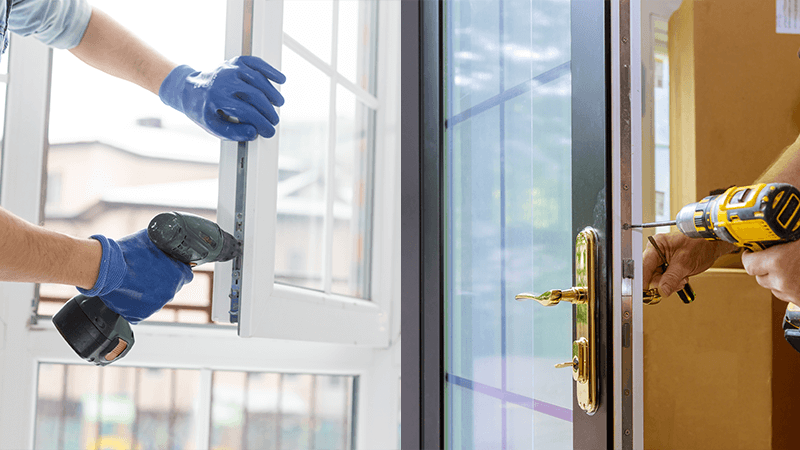
Hurricanes and tropical storms are a reality in Jacksonville Beach. Between salt air, high winds, storm surge, and driving rain, coastal homes take a pounding even when a storm doesn’t make a direct landfall. Once the skies clear, the clock starts: the faster you assess and stabilize your home, the less damage sets in—and the safer your family will be.
This guide gives Jacksonville Beach homeowners a practical, step-by-step plan to inspect, triage, and repair common post-storm issues. If you need reliable help, Jax Beach Handyman offers fast, friendly, and professional post-storm service, from roofline fixes to windows, doors, siding, and drywall.
Storm Response Timeline: A Simple Process That Prevents Bigger Problems
- Stay safe first: Watch for downed lines, standing water, structural shifts, and gas odors. If unsafe, wait for authorities.
- Document everything: Take photos/video outside and inside before you move or patch anything.
- Stabilize quickly: Tarp roof openings, board broken glass, shut off water if leaks are active, set up fans/dehumidifiers.
- Inspect systematically: Follow the checklists and tables below to catch hidden issues.
- Schedule professional help: Prioritize roofline, water intrusion, and electrical concerns first. A trusted local pro or a handyman jax can bundle repairs and save trips.
- Keep receipts and a log: For insurance claims, list dates, people contacted, materials used, and time spent.
- Prevent next time: Upgrade caulking, paint, door sweeps, and drainage. Small preventive steps cut future costs.
1) What Makes Coastal Homes in Jacksonville Beach Vulnerable to Storm Damage?
Coastal construction in Jacksonville Beach faces unique stressors that accelerate wear and magnify storm impacts:
- Salt air: Salt accelerates corrosion of fasteners, hardware, light fixtures, railings, and even HVAC fins—weakening components before storms arrive.
- High winds: Gusts push rain horizontally under shingles, around window trim, and beneath door thresholds. Wind-driven debris can chip siding and shatter glass.
- Storm surge: Even modest surge can undermine decks, fencing posts, steps, and slabs, leaving structures tilted or unstable.
- Water intrusion: Wind-lifted shingles and compromised caulking allow water to enter wall cavities and ceilings, feeding mold and rot.
- Flying debris: Neighboring roof tiles, branches, and lawn items become projectiles that dent gutters, crack siding, and break screens and glass.
Because salt and humidity work year-round, storm seasons often reveal weaknesses that have been slowly developing. That’s why post-storm inspections are as much about finding hidden vulnerabilities as they are about repairing visible damage.
2) Top Areas to Inspect After a Hurricane in Jacksonville Beach
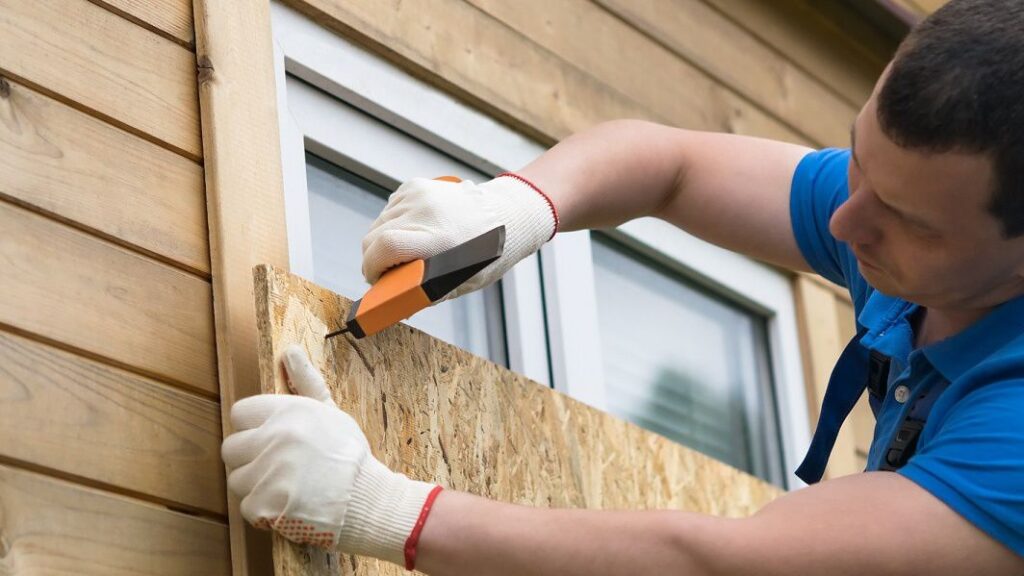
Use this skim-friendly checklist to guide a safe, thorough walkaround. Start outside, then move indoors.
| Area | What to Check | Quick DIY Test | Urgent Signs (Call a Pro) |
|---|---|---|---|
| Roofing | Missing/curled shingles, lifted flashing, soffit/fascia gaps, debris piles | Binocular scan from the ground; check attic for light leaks or damp insulation | Active leaks, sagging decking, widespread shingle loss, exposed underlayment |
| Windows | Cracks, blown seals (fogging), damaged screens, failed caulk/trim | Open/close smoothly; spray light water around frame to test for seepage | Shattered glass, water streaming in, warped frames, air gaps you can feel |
| Doors | Swelling, sticking, misalignment, damaged weatherstripping, threshold gaps | Check latch alignment; slip a dollar bill along the seal for tightness | Door won’t latch, daylight around frame, water entering under door |
| Exterior Walls & Siding | Cracks, loose panels, paint blisters, water stains, punctures from debris | Press gently for softness; look for bubbling or peeling paint | Soft/rotted spots, bulging walls, persistent moisture stains |
| Outdoor Structures | Deck/fence/shed movement, loose railings, broken posts, heaved footings | Push-test rails and posts; check for racking (out-of-square) | Wobbly structures, sinking posts, cracked joists or stringers |
Pro Tip
Document every finding with photos that include context (wide shot) and detail (close-up). Keep a simple spreadsheet to track issues, urgency, and repairs.
3) What Are the Most Common Post-Storm Repairs?
These are the repair types we’re most often called to handle in Jax Beach after a storm, from quick fixes to multi-day projects.
| Issue | Signs You’ll Notice | Typical Repair | Urgency |
|---|---|---|---|
| Failed Caulking/Sealant | Drafts, seepage around frames/trim, visible gaps | Remove failed bead, prep clean/dry, apply exterior-grade caulk, tool smooth | High (prevents ongoing water intrusion) |
| Exterior Paint Failure | Blisters, peeling, chalking, water stains | Spot prime, repaint with coastal-grade paint; larger areas may need full section | Medium (protects siding from moisture) |
| Drywall Damage | Stains, sagging, soft spots, musty odor | Cut-out wet material, treat/verify dry, patch, texture, repaint | High (mold risk within 24–48 hours) |
| Door/Window Misalignment | Sticking, latches misaligned, daylight at seals | Adjust hinges/strikes, plane edges, replace weatherstripping, re-square where possible | Medium to High (security + water intrusion) |
| Siding and Trim Repairs | Cracks, holes, loose laps, soft wood | Replace damaged boards/panels, back-prime end cuts, caulk, paint | High if water entry; Medium otherwise |
| Soffit/Fascia/Gutter Issues | Loose sections, sagging, leaks, staining | Re-secure/replace segments, add hangers, reseal seams, improve drainage | High (protects roof edge and walls) |
| Fence/Deck Stabilization | Wobble, racking, loose railings, heaved posts | Reset posts, add bracing/fasteners, replace damaged boards, re-level gates | Medium (safety + privacy) |
4) Why You Shouldn’t Delay Storm Repairs (+ Risks of Waiting)
Delays turn small fixes into major projects. Here’s what can snowball when post-storm issues are left unaddressed:
- Mold growth: Moisture trapped in walls and ceilings can support mold within 24–48 hours, raising health and remediation costs.
- Rot and corrosion: Wet wood and metal fasteners deteriorate faster in salty air, weakening structures and finishes.
- Structural creep: Misaligned doors/windows and loose siding let in water and wind, amplifying every future storm’s impact.
- Insurance headaches: Insurers may deny portions of claims if you don’t mitigate damage promptly.
- Escalating costs: A $250 sealant job can become a $2,500 siding and drywall repair if water continues to intrude.
5) Cost Guide: Typical Pricing for Post-Storm Repair Services in Jacksonville Beach
Every home and storm is different, but these averages reflect common local ranges for small-to-midsized handyman projects. Complex structural, major roofing, or electrical work may require specialized licensed contractors.
| Service | Typical Range (Jax Beach) | Notes | Est. Time |
|---|---|---|---|
| Emergency Tarping/Board-Up | $250–$750 | Price varies by height, access, and materials | 1–4 hours |
| Shingle Patch (Small Area) | $300–$900 | Limited to minor sections; larger roofs need roofer | 2–6 hours |
| Soffit/Fascia Repair | $250–$1,000 | Depends on length and rot extent | 2–8 hours |
| Window/Door Re-Caulking | $125–$350 per opening | Premium coastal-grade sealants recommended | 45–90 minutes/opening |
| Door Rehang & Alignment | $150–$400 | Includes hinge/strike adjustments, minor planing | 1–2 hours |
| Siding Patch & Paint (Spot) | $300–$1,200 | Higher for fiber-cement or large sections | 3–8 hours |
| Drywall Cut-Out & Patch | $200–$800 | Assumes localized damage, includes texture | 2–6 hours + dry time |
| Gutter Repair/Cleaning | $150–$400 | Downspout re-secure, seam seal, debris removal | 1–3 hours |
| Fence/Gate Repair | $150–$600 | Post resets, panel replacement, hardware | 1–4 hours |
| Deck/Railing Stabilization | $250–$1,500 | Re-fastening, joist repairs, bracing | 2–12 hours |
Cost–Benefit Snapshot: Fix Now vs. Wait
| Decision | Likely Cost | Risk Exposure | Outcome |
|---|---|---|---|
| Seal leaky window this week | $125–$350 | Low | Prevents interior damage and mold |
| Wait 1–2 months | $500–$1,500 | Medium | Likely drywall/paint repairs, musty odor |
| Wait 6+ months | $1,500–$5,000+ | High | Rot remediation, larger siding/window work |
Tip: A handyman jax can bundle multiple small repairs in one trip to control costs and shorten your recovery timeline.
6) Budget-Friendly Ways to Handle Post-Storm Repairs
- Triage first: Address anything that lets water in or compromises safety: roof leaks, broken glass, exposed wood, and sparking or wet electrical areas (call the utility or a licensed electrician for electrical hazards).
- Phase your projects: Start with sealants and temporary protection, then schedule permanent fixes and cosmetic work as funds allow.
- Use coastal-grade materials: Premium exterior caulk, stainless or coated fasteners, and marine-grade paints last longer in salt air—pay once, not twice.
- Preventive bundle: Combine window/door re-caulking, weatherstripping, and gutter tune-ups in one visit with a handyman jax to reduce labor overhead.
- DIY smart: Homeowners can safely tackle photos, cleanup, and minor re-caulking; leave height work, structural issues, and complex repairs to pros.
7) Why Hiring a handyman jax Expert is Essential After Storms

Local experience matters most in coastal recovery. An expert who works day-in and day-out in Jacksonville Beach understands how salt, wind, and humidity affect materials—and how storms exploit weak points.
- Coastal know-how: From flashing details to paint systems, local pros choose products that stand up to Jax Beach conditions.
- Smart sequencing: The right order (dry-out → seal → repair → finish) prevents rework and keeps costs down.
- Licensing and insurance: You want an insured, reputable provider who documents work for your records and claims.
- Scheduling flexibility: Post-storm, quick-response small jobs avoid big problems. A seasoned local pro can often fit you in faster.
- One call, many fixes: A capable handyman can handle diverse tasks—caulking, drywall, trim, minor roofline work—so you don’t juggle multiple vendors.
8) How Mark of Jax Beach Handyman Protects Your Coastal Home
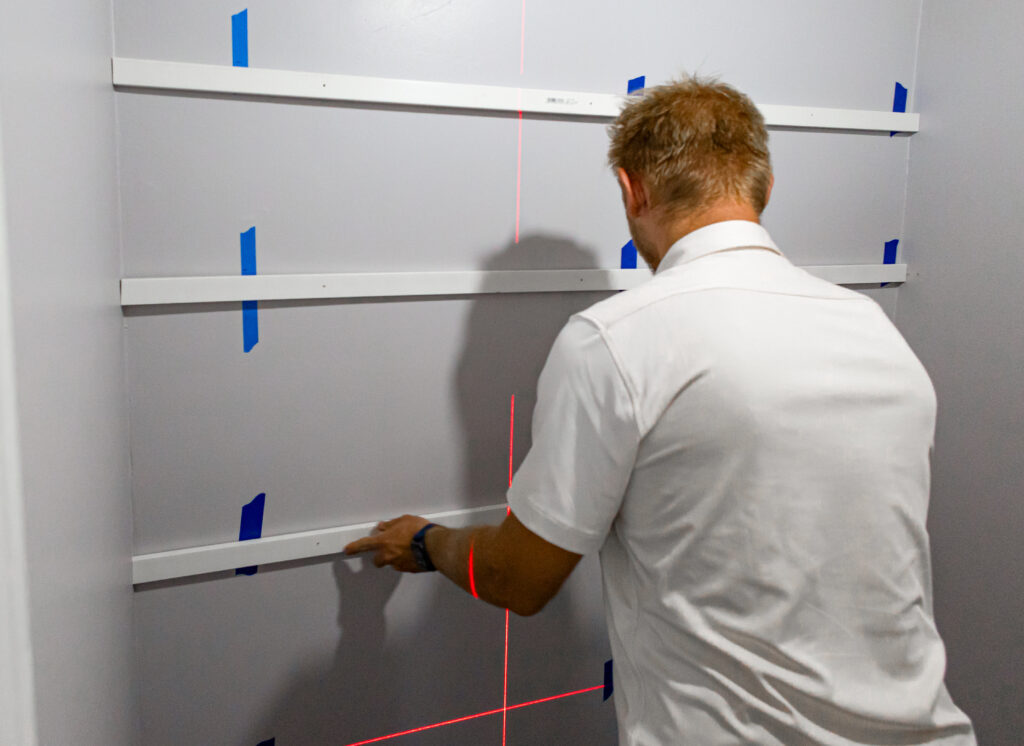
Mark brings a calm, methodical approach to storm recovery. He understands the way Jacksonville Beach homes are built and how they age under coastal exposure. Expect:
- Rapid stabilization: Tarping, board-ups, and weatherproofing to stop active leaks.
- Thorough diagnostics: Moisture checks, trim and siding inspection, and roofline evaluation from the soffits up.
- Custom solutions: From aligning a swollen door to rebuilding a wind-damaged fence section, each repair is tailored to your home’s materials and exposure.
- Premium materials: Exterior-grade sealants, corrosion-resistant fasteners, and coastal-rated paints for long-lasting results.
- Clear communication: Photos, estimates, and timelines so you always know what’s next.
9) Related Reading & Internal Links
- Coastal Painting & Caulking Guide for Jacksonville Beach Homes — Learn which paints, primers, and caulks hold up best to salt, sun, and storms.
- Fixing Stuck Doors & Swollen Windows in Jacksonville’s Humid Weather — Step-by-step tips to get doors and windows gliding again.
10) Post-Storm Inspection Checklist for Homeowners
Safety First
- Assume downed power lines are live; keep clear and report immediately.
- Turn off main water if there’s an active leak or burst line.
- If you smell gas, evacuate and call your utility.
- Avoid standing water near electrical outlets or appliances.
- Use proper ladders and spotters—never climb a damaged roof.
Basic Tools
- Binoculars, flashlight/headlamp, moisture meter (optional but handy)
- Work gloves, dust mask/respirator, safety glasses
- Utility knife, tape measure, multi-bit driver, painter’s tool
- Exterior-grade caulk, plastic sheeting, duct tape, tarps
- Camera/phone for documentation
Exterior Walkaround
- Roofline: Scan shingles, flashing, soffits/fascia; check gutters/downspouts for clogs or separation.
- Windows/Doors: Look for cracks, broken seals, missing caulk, water stains below sills.
- Siding/Trim: Note cracks, holes, soft spots, and paint blisters.
- Decks/Fences/Sheds: Test for wobble, loose fasteners, heaved footings.
- Yard Drainage: Confirm downspouts discharge away from the foundation; look for pooling.
Interior Walkthrough
- Ceilings/Upper Walls: Check for new stains or sagging.
- Windows/Doors: Operate each; note sticking or misalignment.
- Floors/Baseboards: Look for buckling, swelling, and musty odors.
- Attic/Crawlspace: Inspect for damp insulation, visible daylight, or wet framing.
Call a Pro Immediately If You See
- Active leaks or dripping water
- Structural movement, large cracks, or collapsing soffits
- Shattered glass or doors that won’t secure
- Extensive drywall sagging or ceiling bowing
- Electrical arcing, burning smells, or wet panels/outlets (call a licensed electrician)
When in doubt, schedule a trusted local handyman jax to evaluate and prioritize repairs.
11) Quick Q&A: Your Post-Storm Questions Answered
How fast do I need to dry out wet areas?
Start immediately. Aim to dry within 24–48 hours using fans and dehumidifiers. Cut out soaked drywall rather than hoping it dries behind paint.
Do I need permits for these repairs?
Permits vary by scope. Cosmetic work (caulk, paint, small drywall) generally doesn’t require one; structural work, large window/door replacements, or major roofing often do. When you book, ask your pro what’s required.
What photos should I take for insurance?
Capture wide-angle views and close-ups of each damaged area, plus serial numbers of affected appliances, and any temporary measures you install (tarping, board-ups). Keep timestamps and a repair log.
Is salt spray really that damaging?
Yes. Salt accelerates corrosion. After storms, rinse exterior metal fixtures and hardware with fresh water and consider protective coatings where appropriate.
What if my doors and windows started sticking after the storm?
Humidity swelling and minor frame racking are common. Adjusting hinges, planing edges, and refreshing weatherstripping typically solves it; see our related guide linked below.
Seasonal Trend Snapshot: When Demand Spikes
Service demand in Jax Beach typically surges late summer through early fall. Scheduling an inspection at the first safe window after a storm helps you beat the rush.
- June–July: Prep season — ideal for preventive caulking and paint touch-ups.
- August–October: Peak storm activity — fastest response goes to active leaks and safety issues.
- November–December: Backlog period — finish cosmetic repairs and upgrades.
The Long-Term Value of Staying Proactive About Repairs
- Protect resale value: A tight exterior envelope, smooth-operating doors/windows, and well-maintained finishes impress buyers and appraisers.
- Smoother insurance claims: Documented maintenance supports claims and can prevent disputes over neglect.
- Lower lifetime costs: Proactive sealing and painting are far cheaper than water intrusion and rot remediation.
- Peace of mind: When the next storm approaches, you’ll know your home is as ready as it can be.
Conclusion: Your First 72 Hours Matter—Act, Document, Repair
After a storm, focus on safety, documentation, and quick stabilization. Inspect the roofline, windows, doors, siding, and outdoor structures; then prioritize sealing, drying, and repairing to stop damage in its tracks. For dependable, neighborly help that understands our coastal environment, schedule service with Jax Beach Handyman. Request an inspection or repair consultation today and get your Jacksonville Beach home back to strong, safe, and weather-ready.

Finally found a site that actually works without any lag. The interface is super clean and getting started was a breeze. Definitely checking out yolo47login more often!
This place has a great community and the rewards are legit. I’ve recommended it to all my friends because it is simply the best. Visit pkpa777 and start your luck today.
The bonuses here are insane! I managed to get a nice win on my first try today. Definitely spending more time on krbetmgm from now on.
Finally found a site that actually delivers on its bonuses. The game variety is insane and the mobile version works like a charm. Highly recommend 18jilicasino to everyone.
The game variety here is insane! I love how smooth the interface is on mobile. Highly recommend wwwcasinopluscomph for anyone looking for a thrill.
Really impressed with the security and speed of this site. I had a few questions and the support team handled them instantly. Top notch service! 499batlogin
Super fast withdrawals and the game selection is amazing. I keep coming back for more. Cheers to vnd6688vn.