
Fighting Mold and Mildew: The Jacksonville FL Home Repair Guide Every Homeowner Needs
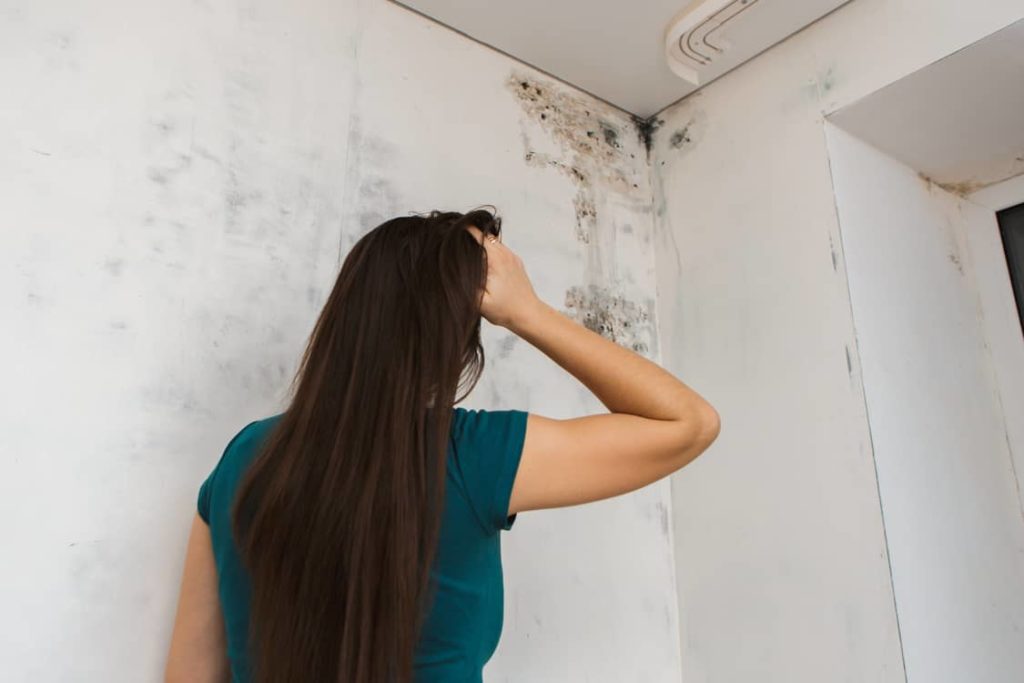
Life at the beach comes with salty breezes, warm sunshine, and—if you’re not proactive—relentless moisture that feeds mold and mildew. In Jacksonville Beach, our coastal climate piles on three mold accelerants at once: high humidity, wind-driven sea spray, and frequent storms that saturate building materials. Left unchecked, spores take hold behind drywall, under baseboards, along window trim, and even on painted surfaces, causing odors, stains, and health aggravations.
Smart prevention and prompt treatment can save you thousands, protect your family’s respiratory health, and keep your home looking crisp and coastal-fresh. Whether you’re sealing gaps, upgrading ventilation, or choosing mildew-resistant coatings, a proactive jacksonville fl home repair plan is essential. If you need a local pro who understands these conditions inside and out, Jax Beach Handyman is a trusted neighbor with deep experience in beachside maintenance and moisture control.
Why Are Mold and Mildew So Common in Jacksonville Beach Homes?
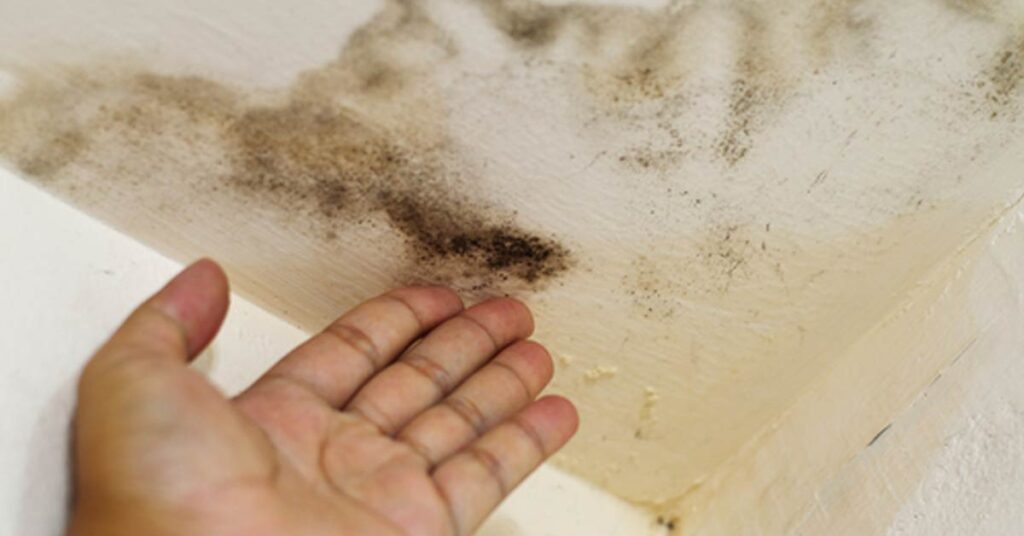
Coastal Florida has a year-round recipe for condensation and growth. Here’s why our homes face persistent pressure:
- Humidity that rarely lets up: Dew points are routinely high. Warm, moist air infiltrates cool indoor spaces and condenses on surfaces—especially around windows, exterior walls, and uninsulated plumbing lines.
- Sea spray and salt air: Salt attracts moisture and increases surface dampness. Salty films on siding, railings, and hardware hold water longer, feeding mildew and corrosion.
- Strong sun creates temperature swings: Intense daytime heat followed by cooler evenings can drive moisture in and out of porous materials, pulling salty, humid air deep into wood and drywall.
- Poor ventilation pockets: Bathrooms, laundry rooms, and closets often lack sufficient airflow. Without active exhaust or balanced ventilation, these rooms become microclimates for mold.
- Porous building materials: Drywall, MDF trim, caulk, and unfinished or poorly sealed wood absorb and retain moisture.
How Do Mold and Mildew Affect My Home and Health?
Beyond the unsightly spots and musty smell, mold is a home systems issue and a health risk, particularly for sensitive individuals.
- Respiratory and allergy aggravation: Spores and microbial volatile organic compounds (MVOCs) can irritate airways and eyes, and may worsen asthma and allergies.
- Structural and finish damage: Repeated dampness warps doors and trim, delaminates plywood, stains ceilings, and lifts paint. Organic materials like paper-faced drywall can be colonized beneath the surface.
- Odors and indoor air quality problems: Mustiness signals persistent dampness and hidden growth, often behind baseboards, under sinks, or in attic insulation.
- Aesthetic deterioration: Black spotting on caulk, gray-green film on siding, and orange-pink film around showers degrade curb appeal and indoor finishes.
What Are the Signs of Mold or Mildew Problems?
Catch issues early by watching for these red flags:
- Visual clues: Black, green, or white spotting on grout, caulk, window sashes, baseboards, and on the backside of furniture against exterior walls.
- Musty odors: Persistent “wet towel” smell, especially in closets, bathrooms, and laundry rooms.
- Health signals: Sneezing, coughing, eye irritation, or headaches that improve outdoors.
- Moisture damage: Paint bubbling, peeling, or chalking; swollen doors and sticky windows; discolored drywall patches.
- Organic decay: Soft or darkened wood, deteriorating MDF trim, or loose baseboards.
What Home Materials Are Most at Risk?
These common surfaces and components in coastal homes have varying vulnerability to moisture and growth:
| Material | Typical Locations | Vulnerability (1–5) | Notes |
|---|---|---|---|
| Paper-faced drywall | Walls/ceilings, bathrooms, garages | 5 | Paper backing feeds mold; wicking from floor or roof leaks spreads quickly. |
| Unsealed or worn wood | Trim, baseboards, deck railings | 4 | Absorbs and holds moisture; swells and stains if coatings fail. |
| MDF/particleboard | Cabinet boxes, vanity toe-kicks | 5 | Rapidly deteriorates with water; edges crumble and harbor mold. |
| Caulk (aging or organic) | Showers, tubs, window perimeters | 4 | Micro-cracks trap grime and moisture; use mildewcide and correct type. |
| Attic insulation | Attic floors and knee walls | 3 | Susceptible when roof leaks or bath fans vent into attic; needs airflow. |
| Grout and porous tile | Showers, backsplashes | 3 | Without sealing, stays damp; surface mildew common. |
| Vinyl wallpaper | Baths, accent walls | 4 | Traps moisture behind it; hidden mold possible on drywall. |
How Can Painting and Caulking Help Prevent Mold?
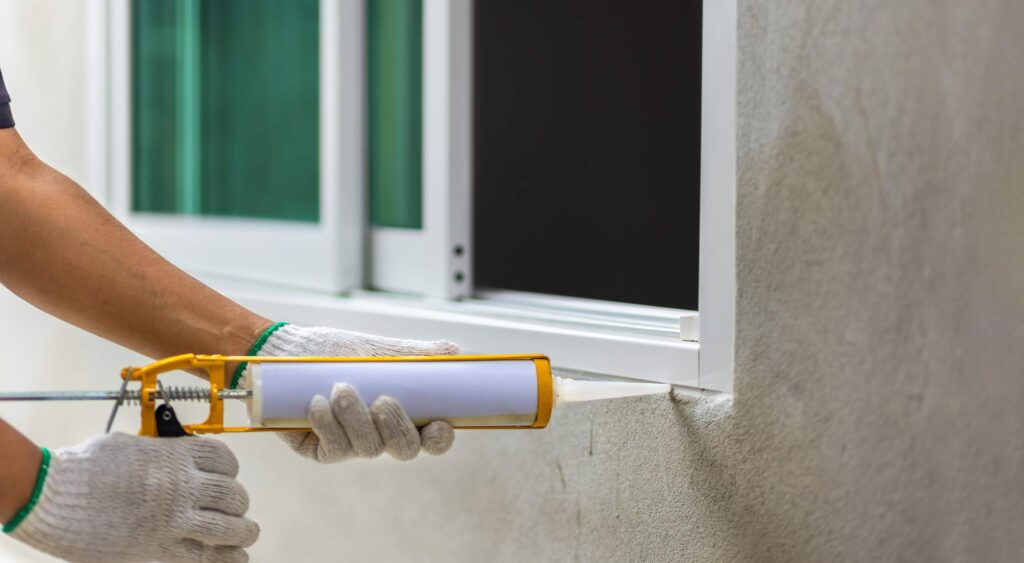
Moisture management is your first line of defense. Correct coatings and sealants act like a moisture traffic cop—directing water out, not in.
- Mildew-resistant paints: Choose high-quality acrylic-latex paints with built-in mildewcide. Satin or semi-gloss finishes resist moisture better than flat, especially in kitchens, baths, and laundry rooms.
- Proper primer: Use stain-blocking primer on water-stained areas after fully drying and cleaning. Primers help seal porous surfaces and improve adhesion.
- Right caulk in the right place: Use 100% silicone in always-wet zones (shower/tub) and paintable siliconized acrylic around trim and windows. These reduce micro-gaps that trap moisture.
- Seal all the edges: Gaps around window and door casings, exterior penetrations, and baseboards allow humid air into wall cavities. Continuous caulk beads limit infiltration.
- Maintenance cycles: Re-caulk high-use shower seams every 12–18 months and repaint moisture-prone rooms every 3–5 years, sooner if sheen dulls or adhesion weakens.
Mini-Infographic: The Coastal Moisture Triangle
- Humidity In: Bathroom steam + laundry dryers + outside air leaks
- Cold Surfaces: A/C-cooled walls, ducts, and windows = condensation
- Food Sources: Paper, dust, soap scum, caulk films = growth
Break any side of the triangle—reduce moisture, warm the surface, or remove the food source—and growth slows dramatically.
DIY vs. Professional Help: When to Call a Handyman
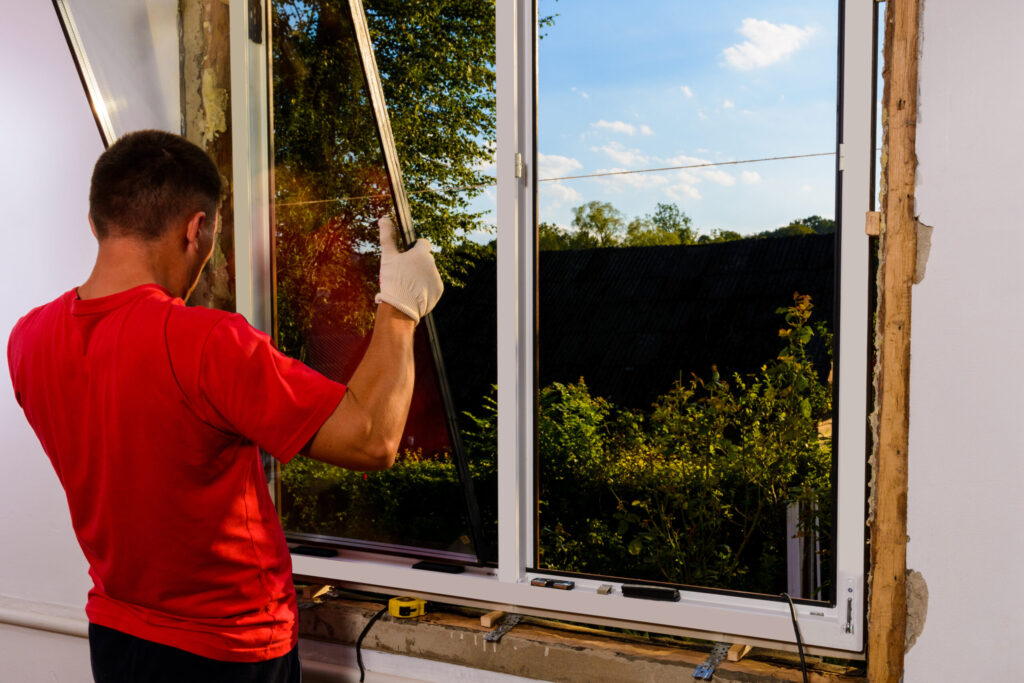
Use this quick guide to decide what’s safe to tackle and when experience matters.
| Task | DIY-Friendly? | When to Call a Pro |
|---|---|---|
| Surface mildew cleaning (tile, grout, paint) | Yes: Use detergent, non-abrasive scrub, rinse, dry, ventilate. | If stains return within days or spread beyond the surface. |
| Re-caulking tub/shower, sinks, backsplashes | Yes: Remove old caulk fully, dry 24 hrs, apply correct caulk. | Complex joints, persistent gaps, or leaks behind walls. |
| Repainting a small bathroom with mildew-resistant paint | Yes: After cleaning and priming stains, maintain ventilation. | Peeling/soft drywall, swollen trim, or suspected hidden moisture. |
| Drywall patching after minor condensation stains | Maybe: If damage is cosmetic and fully dry. | Multiple stained areas, musty odor, or soft/delaminated drywall. |
| Attic/bath fan venting corrections | Maybe: If you’re comfortable with ladders and ducting. | Fans venting into the attic, mold on sheathing, or roof penetrations needed. |
| Window/door weatherstripping & threshold sealing | Yes: Improves comfort and reduces condensation. | Rotten sills, swollen jambs, or repeated interior water intrusion. |
| Subfloor or framing repair | No: Structural work needs expertise. | Call a pro for safe, code-compliant repairs and moisture remediation. |
Illustrative Rate-of-Growth Graph: Relative Mold Risk
(For quick orientation only; actual growth depends on species, substrate, and time.)
Relative Humidity vs. Risk (at 75–80°F)
RH  | Risk Level
----|-----------------------------
45% | Low  ░░
55% | Moderate  ░░░░
65% | Elevated  ░░░░░░
75% | High  ░░░░░░░░
85% | Very High  ░░░░░░░░░░
In Jacksonville Beach, we often hover at 65–85% outdoors. Indoors, aim for 45–55% to keep risk down.
Preventing Mold: Jacksonville Beach Home Maintenance Checklist
Monthly
- Run bath fans during showers and for 20–30 minutes after.
- Wipe window sashes and tracks; dry condensation promptly.
- Inspect under sinks and around toilets for slow leaks.
- Clean shower grout and caulk lines with a mild detergent, rinse, and dry.
Quarterly
- Replace or clean HVAC filters; keep coils and drip pans clean.
- Check weatherstripping on doors/windows; replace worn sections.
- Wash exterior siding/railings to remove salt film and mildew.
- Inspect attic for damp insulation, dark sheathing, or fan ducts terminating in attic (correct to exterior).
Biannually
- Re-seal grout in showers and backsplashes if it no longer repels water.
- Touch up exterior caulk at penetrations, trim joints, and window perimeters.
- Walk the perimeter after heavy storms; look for water entry points and negative grading.
Annually
- Repaint moisture-prone rooms as sheen dulls or stains recur; use mildew-resistant paint.
- Schedule a whole-home moisture audit to check humidity, ventilation, and hidden leaks.
- Clean dryer vents and verify venting runs outdoors, not into attics or garages.
Pro tip: Building a simple plan with your trusted jacksonville fl home repair partner keeps tasks on schedule and prevents small moisture issues from turning into costly repairs.
Why Hiring a jacksonville fl home repair Expert is Worth It
A local specialist understands the microclimates from South Jax Beach to Neptune Beach and the way our storms and sea spray stress homes. Here’s what an expert brings:
- Leak and moisture sleuthing: Pinpoints subtle sources—like sweating supply lines, negative attic pressure pulling humid air in, or failed exterior caulk hidden by trim.
- Right materials for the coast: Recommends coatings, caulks, and fasteners that stand up to salt, UV, and daily humidity.
- Long-term savings: Fixing ventilation paths and sealing the building envelope reduces repainting cycles, trim replacement, and drywall repairs.
- Systems thinking: Balances airflow, insulation, and vapor control so you’re not just painting over a moisture problem.
How Your Local Beachside Handyman Can Help
Mark, a long-time Beaches resident and hands-on expert, approaches mold and mildew as a whole-home performance issue. Instead of treating spots in isolation, he looks for root causes—air leaks, pressure imbalances, failed flashing, or tired caulk lines—and recommends durable fixes that respect the realities of the coast. Typical services include:
- Bathroom and laundry ventilation upgrades, with properly ducted exterior vents.
- Moisture-tolerant trim and finish solutions, including sealing, caulking, and repainting with mildew-resistant coatings.
- Targeted drywall remediation and replacement where materials can’t be salvaged.
- Window and door tune-ups: weatherstripping, sill pan checks, and threshold sealing to reduce condensation and leaks.
- Attic moisture assessments: soffit and ridge ventilation checks, baffle installation, and bath fan diverters to the exterior.
Related Coastal Home Repair Tips
- Top Jacksonville Beach Plumbing Fixes & Handyman Tips — Learn how to spot and stop the slow leaks and supply-line sweats that set the stage for mold.
- Fixing Stuck Doors & Swollen Windows in Jacksonville’s Humid Weather — Reduce swelling and binding that signal excess indoor humidity.
Q&A: Jacksonville Beach Mold and Mildew Basics
Can mold grow even on painted surfaces?
Yes. Paint slows moisture absorption but doesn’t eliminate it. Dust, soap residue, and microscopic films can feed surface mildew. Use mildew-resistant paint, keep humidity under control, and clean high-moisture areas regularly.
What’s the best mold-resistant paint for coastal homes?
Choose a high-quality acrylic-latex interior paint with mildewcide for baths, kitchens, and laundry rooms. A satin or semi-gloss finish is easier to clean and resists moisture better than flat. For exteriors, look for UV- and mildew-resistant formulations and follow with routine washes to remove salt film.
Should I replace drywall if there was mildew on it?
It depends on depth and cause. If discoloration is strictly superficial and the source of moisture is eliminated, spot treatment and repainting may suffice. If drywall is soft, swollen, or smells musty, remove the affected sections, correct the moisture source, and replace with new material—sometimes moisture-resistant board in appropriate locations.
Do dehumidifiers help in coastal homes?
Absolutely, especially in rooms that struggle to stay under 55% RH or during shoulder seasons when A/C runs less. Right-size the unit and ensure proper drainage. Combine with ventilation and air sealing for best results.
How long should I run bath fans?
During showers and for 20–30 minutes afterward. Consider humidity-sensing switches so the fan runs automatically until RH drops.
Simple Ventilation and Sealing Plan (At-a-Glance)
| Area | Upgrade | Benefit |
|---|---|---|
| Bathrooms | Humidity-sensing exhaust fan vented outdoors | Removes steam quickly and consistently |
| Laundry | Rigid ducting and exterior vent hood | Prevents lint clogs and humid air recirculation |
| Kitchen | Ducted range hood (not recirculating only) | Exhausts moisture from cooking to exterior |
| Windows/Doors | Weatherstripping, sill/sealant tune-up | Cuts humid air infiltration and condensation |
| Attic | Soffit baffles + clear vents + ridge vent | Promotes dry airflow; protects insulation and sheathing |
Step-by-Step: Treating Minor Surface Mildew
- Dry the area: Run exhaust fans or a dehumidifier; open windows when weather permits.
- Clean: Use a mild detergent solution and a soft brush. Rinse thoroughly; avoid harsh abrasives that damage coatings.
- Disinfect contact surfaces: In kitchens/baths, wipe with a suitable household disinfectant per label instructions.
- Repair and seal: Remove failing caulk, let it dry fully (often 24 hours), and re-caulk with the correct product.
- Prime and paint: Spot-prime stained areas with stain-blocking primer; finish with mildew-resistant paint.
- Control humidity: Keep indoor RH around 45–55%. Use fans and/or dehumidifiers as needed.
When Spot Treatment Isn’t Enough
If stains reappear quickly, odors persist, or you find soft drywall or swollen trim, the moisture source is active. That’s the moment to pause DIY and bring in diagnostic help—thermal imaging, moisture meters, and building science know-how can prevent unnecessary tear-outs and target the real fix.
Conclusion: Keep Coastal Comfort—Not Coastal Moisture
Jacksonville Beach living doesn’t have to mean constant battles with mold and mildew. With steady ventilation, smart coatings, airtight sealing, and seasonal inspections, you can protect your home’s finishes, preserve indoor air quality, and avoid expensive repairs. When you’re ready for a moisture audit, a paint-and-caulk refresh, or expert repairs tailored to our climate, reach out to Jax Beach Handyman for a friendly, local estimate.

Been using bdctg999 for a few weeks now. The customer support is actually helpful and they respond fast. It feels like a trusted place to play. bdctg999
Super honest platform with transparent rules. I had a big win last night and the withdrawal was processed almost instantly at vngoo88d.
Finally found a smooth way to get the app installed. The interface is clean and the loading speed is impressive. Definitely worth a try for anyone looking for a reliable platform. Check out 4999betappdownloadapk
Great to see such a reliable login portal for the community here. Everything works as expected without any glitches. Visit bajiapppakistanlogin
I love how quick and secure the login process is every single time I access my account. The slot collection is updated frequently so there is always something new to test out. Withdrawals hit my e wallet within a few hours which is fantastic. Do yourself a favor and check 9kbosslogin right now
I’ve been looking for a reliable spot like this for a while. The interface is super smooth and the experience is just top-notch. Highly recommend phsayaph to everyone!
Finally found a platform that does not lag during peak hours. The login process is seamless and I got my bonus right away. Great vibes all around at ck777betlogin
A very professional setup with a huge selection of tables. I love the atmosphere and the transparency of the games. I will definitely keep coming back to krevocasino.
Fast loading times and a very user-friendly layout. I’ve had a blast exploring the different game modes. Keep it up guys! Love gb777login