
Deck Staining and Sealing in Jacksonville Beach: UV and Moisture Defense From a jacksonville beach handyman
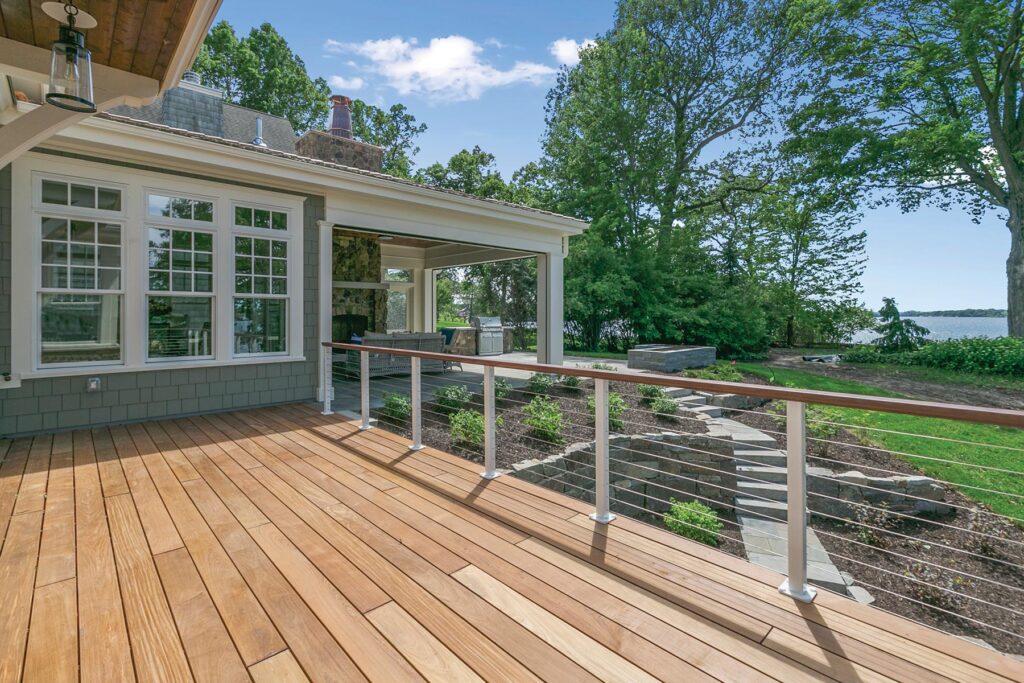
Sun, salt air, and humidity hit coastal decks hard. UV breaks down wood fibers and fades color. Salt and moisture soak into boards and push finish off the surface. Afternoon storms and sea breeze add more water, grit, and movement. Your deck takes all of it. Without the right stain and sealer, the surface turns gray, the grain lifts, and fasteners loosen. Boards cup and crack. Mildew takes hold.
Staining and sealing are your deck’s first line of defense. Stain slows UV damage and evens out color. Sealer blocks water so boards stay stable and resist rot. Done on the right schedule with the right products, your deck lasts longer and looks better. If you want a local pro to inspect your deck and set a maintenance plan, Jax Beach Handyman can help. You can also get a quick evaluation from a jacksonville beach handyman to decide what your deck needs this season.
Why Decks in Jacksonville Beach Need Protection
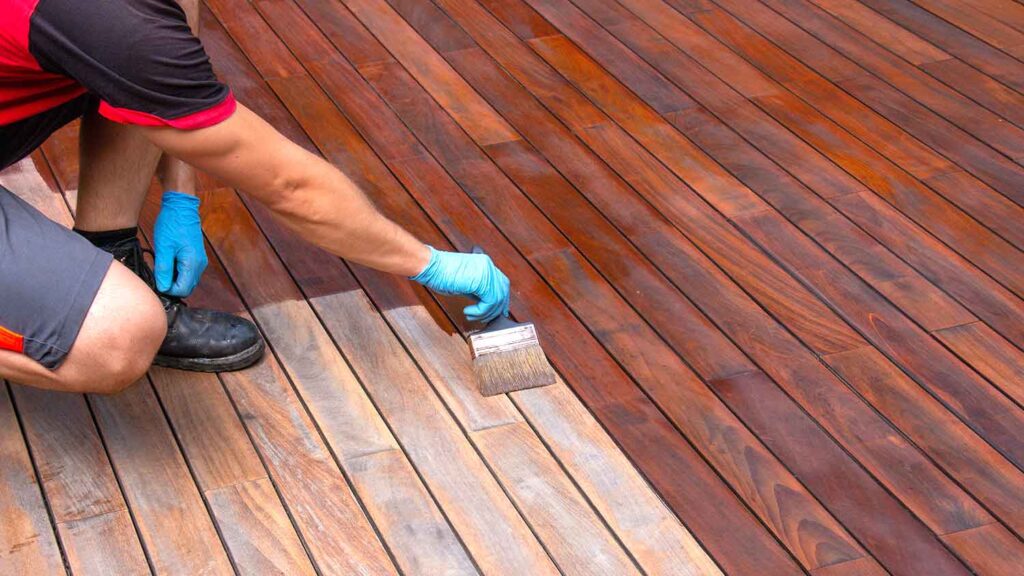
Coastal weather multiplies wear on exterior wood. Here is what your deck faces.
- Strong UV. High UV index most of the year breaks down lignin in wood. The surface turns gray and fibers loosen.
- Moisture cycling. Humidity, rain, and sea spray push water into the grain. Heat drives it out. That cycle causes swelling, shrinkage, and hairline cracks.
- Salt crystals. Salt pulls moisture into wood and can erode coatings. As water evaporates, salt crystals stress the finish.
- Mold and algae. Warm, wet surfaces grow black and green patches. Growth makes boards slick and stains the wood.
- Abrasion. Sand and grit grind into the surface under foot traffic and beach gear.
Jacksonville Beach seasonal trends
You can plan your deck care around typical sun and rain patterns. Expect higher UV and more rain from late spring through early fall. Winter is drier and cooler, which can be a better time to recoat if the temperatures line up.
| Season | Typical UV intensity | Rain pattern | Deck impact |
|---|---|---|---|
| Spring (Mar–May) | Medium to high | Increasing showers | Color fade starts, early mildew |
| Summer (Jun–Aug) | High to very high | Frequent downpours | Rapid UV damage, heavy moisture cycling |
| Fall (Sep–Nov) | Medium to high | Storms taper off | Mildew persists, salt residue builds |
| Winter (Dec–Feb) | Low to medium | Drier overall | Good maintenance window if temps are right |
The Science of Deck Staining and Sealing
How stains protect surface layers
Wood stain does more than color the deck. Quality semi-transparent and semi-solid stains contain pigments that block UV from reaching the wood. Less UV means lignin breaks down slower. The surface stays tighter and smoother. The right stain also bonds with the top fibers, which stabilizes the surface so it sheds water more evenly.
Clear stains add little UV resistance. More pigment equals more UV protection. That is why semi-transparent or semi-solid stains last longer in our sun than clears.
Why sealers reduce water penetration
Sealers create a barrier that slows water absorption. Oil-based sealers soak into the grain and fill pores. Water-based sealers create a thin protective film and can also penetrate depending on the formula. Both aim to cut water uptake so boards do not swell and soften. Less water inside the wood reduces mold growth and rot risk.
In coastal zones, look for a product labeled water-repellent, with mildew-resistant additives. Consistent water beading after rain is a simple test that your sealer still works.
Best Products for Coastal Decks
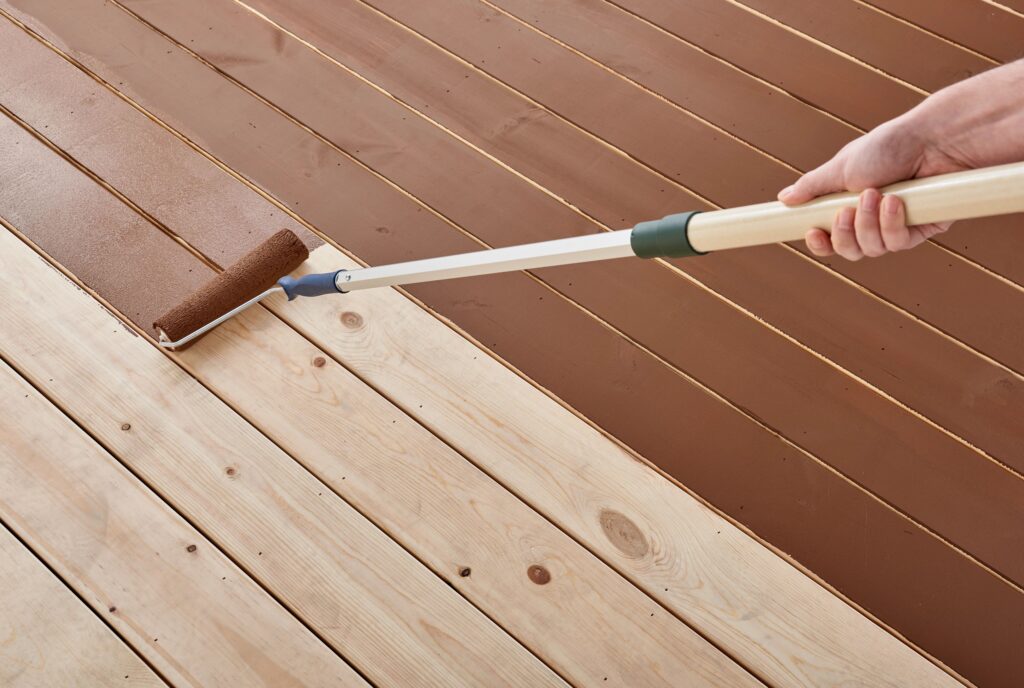
Oil-based vs water-based stains
- Oil-based stains: Penetrate deeply, rich look, good water resistance. They tolerate slight surface moisture better during application. They can darken over time and take longer to dry. Cleanup requires mineral spirits.
- Water-based stains: Faster drying, low odor, easy soap-and-water cleanup. Many resist UV well due to modern acrylic resins. They prefer drier wood for best penetration and film formation.
In Jacksonville Beach, either can work when applied correctly. If you want deeper penetration and easy spot blending, oil-based helps. If you prefer faster recoats and lower VOC, water-based is a strong fit.
UV-blocking stains
- Look for high-quality pigments in semi-transparent or semi-solid finishes.
- Choose colors that are slightly darker or more earthy. More pigment blocks more UV.
- Check labels for UV inhibitors. Pigment does the heavy lifting, but added UV blockers help.
Clear vs tinted sealers
- Clear sealer: Minimal color change. Least UV protection. Requires more frequent recoating.
- Tinted sealer: Adds slight color and additional pigment. Better UV performance. Longer time between coats.
Most coastal decks last longer with a pigmented finish. A semi-transparent or semi-solid stain with built-in sealer is a practical choice for one-step maintenance if the deck is in good shape.
How Often Should You Stain and Seal?
Frequency depends on wood type, sun exposure, and product type. Use the table below as a planning guide.
| Deck material | Exposure | Recommended cycle | Notes |
|---|---|---|---|
| Pressure-treated pine | Full sun, coastal wind | Stain/seal every 12–18 months | Choose semi-transparent or semi-solid pigment |
| Pressure-treated pine | Partial shade | Every 18–24 months | Watch for mildew in shady spots |
| Cedar or redwood | Full sun | Every 12–18 months | Soft woods weather fast near salt and sun |
| Hardwoods (ipe, cumaru) | Full sun | Oil refresh every 6–12 months | Use penetrating oil. Expect more frequent UV refresh |
| Composite | Any | Clean 2–3 times yearly | Stain only if the brand allows. Use approved coatings |
Always test with a few water drops. If water no longer beads after one minute, schedule cleaning and recoat soon.
Warning Signs Your Deck Needs Maintenance
- Fading or uneven color
- Splinters or raised grain
- Black or green patches on boards or around fasteners
- Water soaks in instead of beading
- Soft or spongy spots near rail posts or stairs
- Gray, dusty surface that wipes off on your hand
Risks of Skipping Maintenance
- Surface erosion. UV turns fibers to powder. Finishes stop adhering.
- Warping and cupping. Repeated wet and dry cycles distort boards.
- Slippery surfaces. Algae growth increases fall risk.
- Hidden rot. Water trapped at ledger boards and posts leads to structural damage.
- Higher costs. Neglect raises the chance of major repairs or full board replacement.
Cost Breakdown Table
Local pricing varies with size, condition, height, rail complexity, and product choice. Use these ranges to budget.
| Service level | What’s included | Typical price per sq ft | When to choose |
|---|---|---|---|
| DIY cleaning + recoat | Cleaning, light prep, single-coat stain/sealer | $0.50–$1.50 | Deck in good condition. Owner has time and tools |
| Partial pro service | Pro cleaning, sanding high-traffic areas, one coat | $1.50–$3.00 | Light wear, needs even color and better adhesion |
| Full pro refinish | Deep clean, repairs, sanding, two coats, rails | $3.00–$6.00 | Weathered deck, color change, or pigment upgrade |
| Board replacement + refinish | Replace damaged boards, full prep, two coats | $6.00–$10.00+ | Rot, severe cupping, or safety issues |
Get a site visit from a jacksonville beach handyman to confirm condition, product match, and coat count. That keeps surprises out of your budget.
Smart Maintenance Strategies for Jacksonville Beach Homes
- Annual inspection. Walk the deck every spring and fall. Push a screwdriver into suspect spots. Check rails and steps.
- Clean on schedule. Rinse sand and salt monthly. Do a deeper clean before the wettest months.
- Spot sealing. Touch up heavy traffic zones and stair treads when water stops beading.
- Mind the gaps. Keep 1/8 to 1/4 inch spacing clear for drainage.
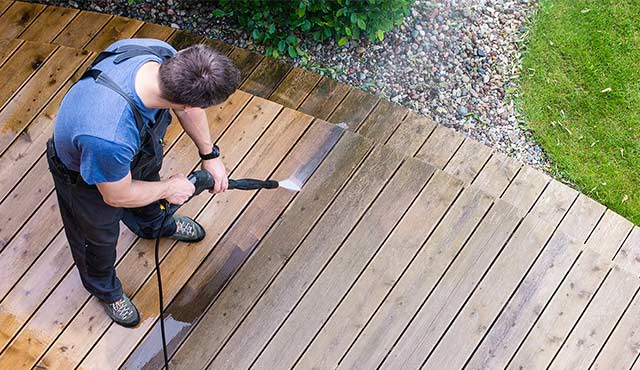
- Power washing tips. Use a fan tip. Keep pressure around 800–1000 psi on soft woods. Hold the wand 8–12 inches away. Move with the grain.
- Off-season prep. Remove furniture and mats. Cover the grill area. Store planters to prevent trapped moisture.
- Hardware check. Tighten lag bolts and rail screws. Replace corroded fasteners with stainless where possible.
Why Hiring a jacksonville beach handyman for Deck Care is Worth It
- Local product selection. A pro knows which stains resist UV here and which sealers bead after summer storms.
- Moisture-aware prep. Proper dry times and moisture readings prevent peeling.
- Efficient cleaning and sanding. Right tools, right pressure, and dust control produce a better bond.
- Targeted repairs. Fast identification of soft spots, loose rails, and ledger issues reduces future damage.
- Predictable schedule. Annual or 18-month reminders keep your deck on track.
How a Local Pro Supports Long-Term Deck Health
- Coastal expertise. They adjust color choices and film build for UV and salt.
- Follow-ups. A quick mid-season check catches failing spots early.
- Tailored systems. They match oil or water-based formulas to your wood, exposure, and use.
- Clean jobsite. Proper masking and cleanup protect siding, pavers, and landscaping.
Related Homecare Resources
Want to strengthen your home’s weather defense beyond the deck. Read these guides on their site:
- Protect Your Jax Beach Home: Coastal Painting & Caulking Guide. It explains how to seal siding joints and protect trim, which supports a dry deck structure and a tighter building envelope.
- Jacksonville Handyman Services That Add Value to Beach Homes. It shows how routine exterior maintenance, including deck care, supports curb appeal and resale value.
Homeowner Checklist: Seasonal Deck Maintenance
Quick steps for spring
- Rinse off winter grit and salt
- Inspect stairs, rails, and fasteners
- Test for water beading after a light spray
- Clean with a deck wash if mildew is visible
- Spot sand raised grain and splinters
- Touch up stain and sealer in high-wear zones
Mid-summer check
- Light wash to remove sand and sunscreen residue
- Look for fading on sunniest boards
- Re-test water beading. If water soaks in, plan a full recoat
Fall prep
- Deep clean to remove algae and leaf tannins
- Check ledger flashing and post bases for trapped moisture
- Schedule recoat if color is uneven or sealer fails the water test
Winter window
- Choose mild, dry days for coating if temps allow per product label
- Store cushions and mats to prevent moisture stains
- Document any repairs needed in spring
FAQs
Can I stain over old stain?
Yes, if the old finish is the same type and still sound. Clean thoroughly and scuff the surface for better adhesion. If the old finish is peeling or is a different type, strip or sand to bare wood before switching products.
Do I need to sand first?
Light sanding improves bonding and evens out raised grain. Full sanding is needed if the finish is failing, if you want to change from a solid to a semi-transparent, or if you need a smoother surface in high-traffic zones.
What about composite decks?
Most composites do not need stain. Clean them 2–3 times a year with a composite-safe cleaner. If your manufacturer allows coating, use only the approved products and expect different prep than wood.
How dry must the wood be before staining?
Follow product directions. Many water-based products need moisture content near 12 to 15 percent. Oil-based products are often a little more forgiving but still need a dry surface. After rain, give your deck 24 to 48 hours of dry weather before coating.
How long should I wait between coats?
Most products need a few hours to overnight between coats. Cooler, humid coastal air slows dry time. Check the label and confirm with a small test area.
Is a clear sealer enough here?
Clear sealer protects against water but offers little UV defense. In our sun, use at least a light tint or a semi-transparent stain for better longevity.
Can I pressure wash instead of using cleaner?
Use both. A cleaner breaks down mildew and dirt. A gentle pressure rinse removes residue. Too much pressure scars the wood and weakens fibers.
How do I test if my sealer still works?
Sprinkle water on a few boards. If the water beads for at least one minute, the sealer still helps. If it soaks in quickly or darkens the wood, schedule a recoat.
Long-Term Benefits of Proper Deck Care
- Longer lifespan. Boards resist rot and splitting when sealed on schedule.
- Lower costs. Regular coats cost less than major repairs or replacements.
- Safer surface. Clean, sealed boards are less slippery and splinter less.
- Better appearance. Consistent color and tight grain improve curb appeal and resale value.
Conclusion
Coastal weather will always test your deck. You can stay ahead with the right stain, a water-repellent sealer, and a simple schedule. Inspect twice a year. Clean before the wettest months. Recoat when water stops beading or color fades. If you want a clear plan and a clean, durable finish, schedule an evaluation with Jax Beach Handyman. A trusted jacksonville beach handyman can match products to your deck, handle repairs, and keep your outdoor space ready for every season.

Really impressed with the payout speed. No long waits or confusing steps, just straightforward service. Cheers to br777gg for the great experience.
Everything from the deposit to the withdrawal was effortless. Big thanks to vnc168a for the professional service.
Just checking out jilievobdt. Seems legit, with a few interesting options. If you’re bored and wanna try something different, why not eh? Have a look: jilievobdt
NZ88Casino login – it took a minute to figure out the registration but after, it’s got great promotions, though nothing overly unique. Still worth viewing: nz88casinologin