
What Are Affordable Outdoor Lighting Options to Boost Curb Appeal?
Summary
- Prioritize path, entry, and house-number lighting before accents
- Choose corrosion-resistant fixtures for salt air and humidity
- Mix solar and low-voltage LEDs to balance cost and impact
- Use motion sensors where brightness matters but runtime is short
- Know when DIY stops—new wiring and code issues need a pro
Introduction
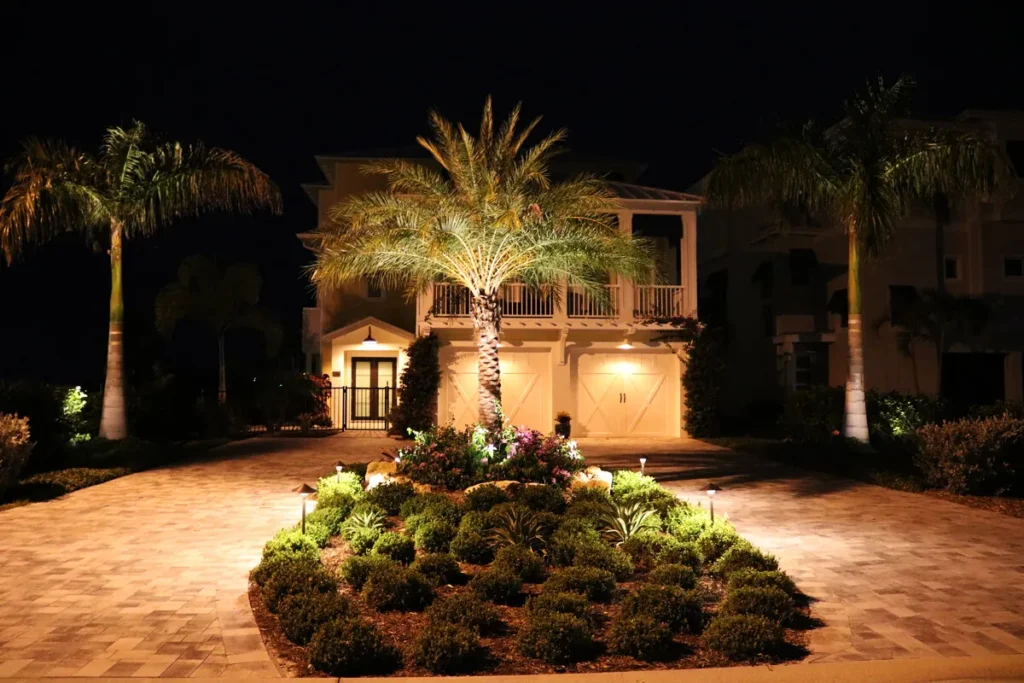
We work on homes across Jacksonville Florida, from Jacksonville Beach to the river neighborhoods, and we see the same pattern: a house looks great by day, then disappears after dusk. Outdoor lighting is one of the calmest, most cost-effective ways to boost curb appeal on the First Coast. It shapes how the home feels from the street, guides visitors safely, and frames the landscaping you invest in all year.
For budget-minded homeowners, the good news is that you don’t have to run new circuits or buy designer fixtures to see a difference. A layered plan—using solar stakes, low-voltage LED path lights, and a few smartly placed motion or wall accents—often does more than a single big fixture. If you prefer experienced help, a handyman in jacksonville can design and install a simple system tailored to our coastal climate.
Why outdoor lighting matters for curb appeal in Jacksonville homes
- Nighttime curb appeal: Even modest lighting defines edges and shapes—walkways, beds, entry alcoves—so the home reads as maintained and welcoming after sundown.
- Lawn and security perception: Soft, even lighting implies a tended lawn and discourages casual trespass. In our area, bright floodlights can feel harsh; warm white (2700–3000K) with good placement looks cared-for without glare.
- Buyer impressions in evening showings: Many showings in Jacksonville Beach and surrounding communities happen after work. A lit path, visible house numbers, and a warm entry light reduce “unknowns” and help buyers visualize routine evenings there.
Common myths about outdoor lighting costs and electrical work
- Myth: “Good outdoor lighting is expensive.” Many impactful upgrades cost less than a single accent shrub. LED and solar tech cut both fixture and operating costs.
- Myth: “Solar lights don’t work here.” Jacksonville gets ample sun; the real issue is placement, battery quality, and shade from oaks and palms. With realistic spacing and better cells, solar works for paths and accents.
- Myth: “You must hardwire everything.” Low-voltage (12V) systems handle most landscaping needs with a plug-in transformer. You only need new wiring for added outlets or permanent high-output fixtures.
- Myth: “All fixtures last the same at the beach.” Salt air eats cheap metals. Material choices matter more than brand names on the coast.
Weather and coastal considerations: rust, salt air, humidity
Our salt air and humidity change the math on fixture lifespan. Here’s what lasts for us on the First Coast:
- Materials: Powder-coated aluminum, composite/resin, and solid brass fare better than thin steel. If you want metal, marine-grade (316) stainless or brass holds up longer near Jacksonville Beach.
- Seals and ratings: Look for wet-rated exterior fixtures and gaskets that keep out wind-driven rain. We see fewer failures with fixtures that have simple housings (fewer seams) and drain paths to avoid pooling water.
- Connections: Corrosion starts at the connections. Use gel-filled wire nuts for low-voltage splices and apply dielectric grease on lamp pins and screws. Mount transformers off the ground with drip loops on cords.
- Color temperature: Warm white (2700–3000K) looks best against coquina, stucco, and coastal paints. Cooler light (4000K+) can make mildew or paint texture more obvious in our humidity.
Low-cost lighting options that actually create strong visual impact
Solar stake lights
Best for outlining short walks, flower beds, and mailbox approaches. In Jacksonville Florida, solar stakes do fine if the panel sees at least a few hours of direct sun. Avoid placing them under live oaks or on north-facing beds where shade dominates.
- Cost: Low. Multipacks are budget-friendly.
- Pros: No wiring; easy to reposition; zero operating cost.
- Cons: Patchy performance in shade; cheaper batteries fade after one season; flimsy stakes can tilt in soft sand or after heavy rain.
- Local tip: Use sturdier stakes or add a short sleeve of PVC in the soil for a straighter, longer-lasting install.
LED pathway setups
A low-voltage (12V) LED kit with a small transformer offers brighter, more even light than solar, and it’s still homeowner-friendly.
- Cost: Moderate upfront; very low energy use.
- Pros: Consistent brightness; dimmable and controllable; better in partial shade.
- Cons: Requires routing cable and planning transformer location.
- Local tip: Keep the transformer on a GFCI-protected outlet with an in-use cover; bury cable deep enough to avoid edging blades and pets.
Motion-sensor entry lighting
Use at side doors, driveways, and service walks. Motion cuts runtime while providing strong output only when needed.
- Cost: Moderate; saves energy by running briefly.
- Pros: Security perception; practical for trash nights and late returns.
- Cons: Poor-quality sensors false-trigger in high wind; aim and sensitivity matter in stormy weather.
- Local tip: Choose fixtures with adjustable time delay and sensitivity to handle seabreeze movement and occasional blowing palms.
Wall-mounted accents
Compact, wet-rated sconces or downlights around the garage and front door lift the whole facade. Even one well-chosen fixture can fix a dim entry.
- Cost: Moderate; look for sealed LED units.
- Pros: Clean look; adds architectural definition.
- Cons: If you’re adding a new location, wiring becomes the cost driver.
- Local tip: Downlights with shields reduce glare on neighbors and keep bugs off the door better than up/down combos.
String light arrangements
Used carefully, string lights can frame a porch or pergola without looking like a party year-round. Opt for warm white, shatter-resistant bulbs, and heavy-duty cords.
- Cost: Low to moderate.
- Pros: Fast visual impact; flexible layouts.
- Cons: Wind load can chafe cords; hardware needs to be corrosion-resistant.
- Local tip: Use stainless hooks or eyelets and leave slack for gusts during summer storms.
Cost comparison at a glance
| Option | Typical Cost per Fixture | Operating Cost | Install Difficulty | Best Use |
|---|---|---|---|---|
| Solar stake | $8–$20 | None | Very easy | Short paths, bed accents |
| LED low-voltage path | $30–$70 (plus $60–$150 transformer) | ~$1–$3/year per light | Moderate | Primary walkways |
| Motion-sensor wall/flood | $35–$120 | Low (short run times) | Moderate to pro | Driveways, side doors |
| Wall-mounted accent | $40–$140 | Low | Moderate to pro if new wiring | Front entry, garage |
| String lights (heavy-duty) | $25–$60 per 48–100 ft | Low | Easy | Porches, pergolas |
Note: Pricing reflects what we commonly see across Jacksonville and the Beaches; materials and finish quality change the spread.
A step-by-step plan for evaluating your front yard lighting options
- Map the dark zones: Stand at the curb at dusk. Note trip points (steps, edges), identity points (numbers, mailbox), and features that disappear (beds, columns).
- Choose the priority path: Front walk first, then the door and house numbers, then the driveway edges. Accents come after safety.
- Pick a primary system: If you have sun, solar stakes can outline minor paths; if shade dominates, plan a low-voltage path kit for your main route.
- Select the entry fixture: Decide between steady warm light or motion-activated brightness based on your routine.
- Add one focal accent: A small wall downlight or a single uplight for a palm or crepe myrtle near the entry frames the facade.
- Check color temperature: Keep everything warm white to avoid a patchwork look.
- Plan durability: Prefer sealed LEDs and corrosion-resistant hardware. In salty zones, avoid thin steel.
- Test at night: Place temporary lights (even a flashlight) to preview aiming before installing.
- Commit cables and mounts: After you like the look, bury low-voltage cable and set permanent stakes or mounts.
- Re-check after rain: Confirm no pooling in fixtures, and adjust positions after soil settles.
DIY installations vs calling a professional handyman
Many Jacksonville homeowners can DIY solar and plug-in low-voltage kits in an afternoon. The moment you add new junction boxes, extend circuits, or run new switches, labor and risk go up. That’s where a seasoned crew pays off—not for spectacle, but for weatherproofing and code compliance that lasts through summer storms. If you’d rather hand off the plan and install, a handyman in jacksonville can design the layout, trench clean cable paths, and seal connections to handle salt air.
Safety and code considerations specific to outdoor electrical work
- GFCI protection: Exterior outlets should be GFCI-protected with in-use (bubble) covers. Plug-in transformers belong here, not on a power strip in the garage.
- Wet-rated equipment: Select fixtures, boxes, and connectors listed for wet locations. Porch coverage does not guarantee “damp-rated” is enough in wind-driven rain.
- Cable routing: Keep low-voltage cable away from mower paths and string trimmers. Where it must cross, go deeper and mark the route. Call 811 before any digging deeper than casual edging.
- Mounting: Use stainless or coated fasteners. Seal wall penetrations with exterior-grade sealant and create drip loops on cords.
- Light control: Use dusk-to-dawn sensors or smart plugs to avoid lights running all night at full output. It cuts cost and neighbor complaints.
For a deeper safety walkthrough, see our practical notes on outdoor lighting safety in Jacksonville.
When upgrading lighting stops being a DIY job
- New circuits or switches: Adding a switch, running NM cable in walls, or adding a breaker is pro territory.
- Multiple wet-location boxes: If you’re adding more than a plug-in transformer system, moisture management and code clearances matter.
- Stucco or masonry penetrations: Sealing and flashing errors lead to hidden leaks.
- Complex slopes or roots: Trenching through root zones or retaining walls needs careful routing to avoid irrigation and instability.
- HOA and coastal exposure: In exposed lots near Jacksonville Beach, hardware choice and anchoring need local experience to prevent wind damage.
Prioritizing lighting for staging or resale on the First Coast
If you’re prepping to sell in Jacksonville Florida, prioritize visible wins and safety:
- Front path: Even three to five matching path lights spaced evenly make the approach feel intentional.
- Entry identity: Ensure the house numbers are lit and readable from the street.
- Warm entry sconce: Replace yellowed, rusted fixtures with a sealed LED sconce in warm white.
- Driveway motion: Add a motion fixture at the garage for practical brightness during showings.
- One accent: Choose either a symmetrical porch string line or a single uplight on a specimen plant near the door—not both.
For broader curb appeal planning, review these curb appeal boosters tailored to Jacksonville Beach homes.
Seasonal lighting and hurricane prep for Jacksonville Beach and surrounding communities
- Humidity: Expect algae and mildew on lenses. Wipe with mild soap a few times per season to keep output consistent.
- Hurricane season: Leave slack in string light runs and use locking carabiners on attachment points. For ground lights, seat stakes deeper and away from areas that flood.
- Storm checks: After big winds, re-aim path lights and confirm motion sensors didn’t shift.
- Battery care: For solar, choose models with replaceable batteries and change them before summer if runtime is dropping.
How lighting shapes nighttime perception in Jacksonville
- Curb appeal: A consistent color temperature and rhythm (even spacing) reads as maintained. Mismatched colors and random spacing read as DIY clutter.
- Lawn quality: Side lighting grazes turf and brings out texture, which helps St. Augustine or zoysia look fuller even if the color is winter-dull.
- Security: Motion lighting at entries reduces surprise shadows without the harsh look of always-on floods. Buyers feel safer approaching a home where they can see steps and locks clearly.
Checklist: quick install plan you can do this weekend
- Measure the main path and note sun exposure.
- Pick either solar (full sun) or a low-voltage kit (shade or longer runs).
- Buy all matching color temp (2700–3000K) and finish.
- Lay fixtures on the ground at dusk and test spacing.
- Install: bury cable, seat stakes, mount transformer on a GFCI outlet, set dusk-to-dawn timer.
- Add a motion fixture at the garage entry if needed.
- Do a night walk-through and adjust angles to reduce glare.
FAQs
Do solar lights really hold up in Jacksonville’s humidity?
They do if the panel gets sun, the batteries are replaceable, and the stakes are sturdy. Shade from oaks and palms is the main limiter, not humidity itself.
What color light looks best on coastal homes?
Warm white (2700–3000K). It softens stucco and painted brick and is kinder to eyes after dusk. Cool white tends to highlight moisture stains and uneven paint.
Do I need a permit for low-voltage path lights?
Not for plug-in low-voltage kits. Once you add new hardwired circuits, switches, or boxes, expect permitting and inspections.
Will string lights attract bugs to my door?
Bugs are drawn to brightness and warmth. Keep string lights off the direct entry and use shielded downlights at the door to reduce swarming.
How many path lights do I need?
Start with one fixture every 6–8 feet on straight runs, a little tighter at corners or steps. Adjust after a night test.
Conclusion
From beaches bungalows to cul-de-sacs off the Intracoastal, we’ve found that small, well-placed lights do more for curb appeal than big, bright fixtures. Materials and sealing matter as much as style in our salt air. Start with paths and the entry, keep a single warm color tone, and protect your connections. We at Jax Beach Handyman have replaced plenty of corroded fixtures that looked fine on day one but failed their first storm season—durability choices early on prevent that. A practical plan and a few coastal-savvy decisions usually deliver the clean, confident look you want at night without stretching the budget.
