
Small Coastal Fixes That Make a Big Difference for Neptune Beach Homes
Summary
- Salt, sun, and wind wear out Neptune Beach homes fast. Small fixes protect value.
- Windows, doors, trim, paint, decks, and fences deliver quick returns.
- Seasonal checks reduce repair costs and prevent bigger problems.
- Use coastal-grade materials to avoid repeat issues near the ocean with Neptune Handyman.
- Local costs and value estimates help you plan high-impact projects.
Small Coastal Fixes That Make a Big Difference for Neptune Beach Homes
Neptune Beach homes face constant stress from salt air, humidity, and sun. Small maintenance jobs protect your investment and improve daily comfort. Buyers also notice homes that look tight, clean, and well cared for. The right projects increase value and reduce risk.
This guide shows practical fixes that work for coastal homes. You get clear steps, cost ranges, and local examples. You also see how to plan seasonal work so your home stays resilient all year.
Many homeowners turn to trusted handyman services Jacksonville FL to stay ahead of the wear that coastal living creates. Local pros understand how salt corrodes hardware, how humidity affects doors and trim, and how UV exposure weakens exterior finishes. Their experience helps you target the right small projects that strengthen curb appeal, improve function, and prevent bigger repairs over time.
If you prefer expert help, Jax Beach Handyman serves Neptune Beach and nearby communities. The focus is on small, high-impact jobs that protect value fast.
Common Coastal Challenges Around Neptune Beach

Coastal homes near Neptune Beach face unique forces. These conditions speed up wear. Regular attention keeps small issues from spreading.
- Salt air corrosion. Salt deposits pull moisture and attack fasteners, hinges, and locks. Rust stains and pitting appear within months on non-coated metals.
- Humidity and swelling. Doors and windows stick during long humid spells. Wood swells and loses alignment. Joints open when the air dries.
- UV exposure. Strong sun chalks paint and fades finishes. Caulk and sealants dry and crack faster.
- Wind and wind-driven rain. Gusts lift shingles, loosen fence posts, and push rain into seams and trim gaps.
- Sand abrasion. Blowing sand scuffs decks and door thresholds. It wears paint at the bottom edges of doors and trim.
- Pests and rot. Damp wood attracts fungi and insects. Trim at sills, columns, and fence bottoms rot first.
These issues stack up. A loose hinge lets in air. Air leaks raise power bills. Moist air then feeds mold and rot. Early fixes lower total cost and help your home appraise better.
High-Impact, Low-Cost Projects
These small jobs deliver strong value. Each takes a few hours or less. Many can be grouped in one day for faster savings and better results.
Door, Window, and Trim Repair
Doors and windows show wear first in coastal air. Fix them early for energy savings and easy living.
- Weatherstripping. Replace worn strips on entry doors and sliders. Typical cost is 80 to 150 dollars per door with materials and labor. Payback comes from lower AC runtime and less sand and moisture inside.
- Door alignment. Adjust hinges and strike plates. Add shims or reset screws. Budget 60 to 120 dollars per door. This stops sticking and latch failures during humid months.
- Door sweeps and thresholds. Install new sweeps to block drafts and sand. Cost is 45 to 95 dollars per door.
- Window locks and balances. Replace broken latches and worn balances on single hung or double hung windows. Expect 90 to 180 dollars per window for common parts.
- Window caulking and glazing. Scrape failed sealants and apply coastal-grade caulk. For wood sash, re-glaze loose glass. Typical cost is 120 to 250 dollars per window.
- Trim patch and repair. Stabilize soft spots with wood hardener and patch with exterior epoxy. Replace short sections of rotted trim with PVC or composite. Plan 150 to 350 dollars per location depending on access and paint needs.
These fixes help your home photograph better for a listing. Appraisers and inspectors also flag fewer issues. A tight envelope reduces mold risk and energy loss.
If you want a quick punch list done in one visit, a neptune handyman can reseal key windows, tune doors, and patch trim in the same day.
Painting Touch-ups and Caulking
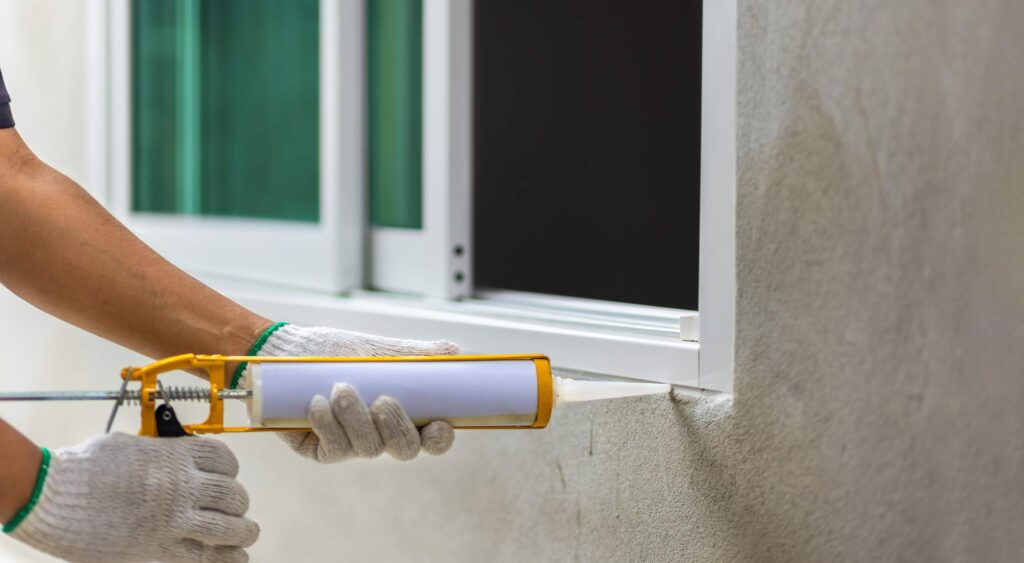
Paint and caulk are your first line of defense near the ocean. Small touch-ups prevent water entry and slow UV damage.
- Exterior paint touch-ups. Target south and west faces first. Sand chalk, prime, and apply two coats. Expect 150 to 350 dollars for small areas that need ladder work.
- Door and trim repaint. Recoat door slabs, jambs, and casings. Choose marine or enamel finishes for better salt resistance. Cost is 180 to 420 dollars per door set.
- Caulking at joints. Use elastomeric or high quality siliconized acrylic for stucco control joints, window perimeters, and siding seams. Plan 8 to 15 dollars per linear joint foot with prep.
- Wet area caulking. Re-caulk showers, tubs, and backsplashes to cut moisture migration. Typical cost is 120 to 240 dollars per room.
- Fence and gate hardware paint. Clean and coat hinges and latches with rust-inhibiting paint. Cost is 70 to 150 dollars for a gate set.
Use light colors on sun-exposed walls to cut heat gain. Use satin or semi-gloss on trim for easier cleaning of salt and sand.
Deck and Fence Maintenance
Outdoor wood takes direct sun, salt spray, and foot traffic. Small yearly tasks protect the structure and reduce later replacement costs.
- Wash and brighten. Clean mildew and salt film. Use a wood brightener where needed. Expect 0.40 to 0.80 dollars per square foot for cleaning, 0.75 to 1.50 dollars per square foot for clean and seal.
- Seal or stain. Apply a penetrating oil or water-based sealer rated for coastal UV. Many decks near Neptune Beach need re-sealing every 12 to 18 months.
- Fastener upgrade. Replace rusted deck screws with stainless or coated alternatives. Swap corroded joist hangers for galvanized or stainless. Budget 1 to 2 dollars per square foot for screws on older decks.
- Board repair. Replace split or soft boards. Replace rail cap pieces with rot resistant wood or composite. Expect 25 to 65 dollars per board installed.
- Fence tune-up. Straighten posts, replace broken pickets, and add an anti-sag kit to gates. Cost is 65 to 120 dollars per panel for small repairs.
These tasks add curb appeal and keep buyers from seeing the property as a project. They also reduce safety risks and insurance concerns tied to loose rails and decayed boards.
Why You Should Keep Up with Regular Checks
Small checks catch problems early. The cost difference is large.
- Door leak caught early. 120 dollars for caulk and sweep vs 1,200 dollars to replace subfloor after a year of leaks.
- Trim rot stopped now. 200 dollars to patch and repaint vs 1,800 dollars to rebuild a column base and repaint a wall area.
- Deck hardware swap today. 150 dollars for screws and hangers vs 3,500 dollars for a section rebuild after fasteners fail.
Plan 30 to 60 minutes each month for a walkthrough. Keep basic supplies on hand. Take photos of changes so you can compare over time. Quick notes help you prioritize and group tasks for one service visit.
Visual Table: Project Value vs Cost Based on Local Data
The following estimates reflect typical Neptune Beach small-project pricing and observed value signals from buyers and inspectors during 2023 to 2025. Actual costs vary by access, material, and scope.
| Project | Typical Cost in Neptune Beach | Typical Value Add When Selling | Risk Reduction or Savings |
|---|---|---|---|
| Door weatherstripping and sweep | 125 to 200 dollars per door | Improves first impression and comfort | 5 to 10 percent HVAC runtime cut on leaky entries |
| Window re-caulking | 120 to 250 dollars per window | Better inspection reports and fewer moisture notes | Less wall damage and mold risk |
| Trim epoxy repair and repaint | 150 to 350 dollars per spot | Removes rot flags that reduce offers | Stops spread into framing |
| Deck clean and seal | 0.75 to 1.50 dollars per sq ft | Higher curb appeal in listing photos | Extends deck life by 2 to 4 years per service cycle |
| Fence gate tune-up with anti-sag kit | 120 to 220 dollars per gate | Improves daily function and buyer walk-through flow | Prevents latch failures and post stress |
| Exterior paint touch-ups | 150 to 350 dollars per area | Reduces visible maintenance backlog | Protects stucco or siding from water entry |
| Hardware swap to stainless at deck or gate | 150 to 400 dollars per location | Signals quality and durability | Prevents rust streaks and fastener failure |
| Bathroom re-caulking | 120 to 240 dollars per room | Clean look during showings | Prevents hidden water damage behind tile |
Signs You Need to Act Now
- Doors stick in the morning and drag at night.
- You feel air or see light around closed doors.
- Window sills show soft spots or flaking paint.
- Brown spots or hairline cracks appear under windows.
- Caulk pulls back from stucco or trim joints.
- Rust streaks run from hinges or fasteners.
- Deck boards flex or make a sharp sound under foot.
- Fence gate rubs the ground or does not latch tight.
- Musty smell after rain near trim or baseboards.
- Power bill jumps without a change in use.
Why Hiring a neptune handyman Saves Money Long-Term
Local experience matters near the ocean. The right person knows which materials last in salt air. The work goes faster and holds up longer when you plan and execute in one visit.
- Right materials. Use stainless or hot-dipped galvanized fasteners. Use PVC or composite for ground-contact trim. Use elastomeric caulk on moving joints.
- Correct prep. Remove salt deposits before painting. Prime bare wood with bonding primers. Back-prime replacement trim ends.
- Efficient grouping. Do all door sweeps, window caulking, and gate tuning on the same trip. You save on setup time and return visits.
- Root cause fixes. Adjust a hinge and replace screws into solid backing, not just the latch. Replace failed seals before repainting.
- Maintenance plan. Set seasonal reminders and track areas that wear faster on your lot.
Consider a sample case. Three doors leak air. Six windows need perimeter caulk. One gate sags. Grouped cost might be 900 to 1,300 dollars. Energy savings and reduced damage can repay that in one to two summers. You also avoid appraisal or inspection notes that can slow a sale.
What Makes Coastal Repairs Different near the Ocean
Repairs near the ocean require specific choices. These details prevent early failure.
- Fasteners and hardware. Choose stainless 304 or 316 for exposed locations. Use hot-dipped galvanized where contact with treated lumber is expected. Avoid uncoated steel.
- Sealants. Use polyurethane or high-grade siliconized acrylic outside. Use elastomeric sealants on stucco control joints and around windows.
- Paint systems. Clean salts with a mild wash. Prime chalky areas with bonding primer. Use high quality exterior acrylics with UV blockers.
- Substrates. Replace rotted wood with PVC or composite trim near grade. Use decay resistant species where PVC is not suitable.
- Moisture control. Use door sweeps and window weeps. Ensure kick-out flashing at roof to wall junctions. Keep clearances between deck boards for drainage.
- Wind readiness. Tighten fence posts with concrete set below frost depth. Secure railings with through bolts or structural screws.
These adjustments seem small. Together they change how long a repair lasts. That is how you lower lifetime cost.
FAQ Section
How often should I re-caulk exterior windows near the beach?
Inspect every six months. Plan to re-caulk problem faces every 18 to 24 months. South and west walls often need it sooner.
What paint works best for trim in salty air?
Use a high quality 100 percent acrylic exterior paint. Use bonding primer on bare or chalky areas. Choose a satin or semi-gloss sheen for easier cleaning.
Do I need stainless fasteners on all deck boards?
Use stainless on exposed surfaces and rails. Use coated or hot-dipped galvanized fasteners for hidden framing. Upgrade rusted hangers on older decks.
How can I stop a gate from sagging again?
Install an anti-sag kit with a turnbuckle. Replace stripped hinge screws with longer structural screws into solid backing. Use stainless hardware.
What is the fastest way to fix a sticking door in humid weather?
Check hinge screws first. Tighten or replace with 3 inch screws into the framing. Adjust the strike plate. Add or replace weatherstripping if light shows.
Who should I call for several small fixes in one visit?
Contact a neptune handyman who knows coastal materials. Group tasks to save trip time and reduce repeat visits.
Do I need permits for small repairs?
Most small repairs do not need permits. Structural changes, window replacements, and new decks often do. Check city rules before you start.
How can I keep sand out of sliders?
Add a good door sweep and floor mat. Vacuum tracks often. Use a dry lubricant on the slider track after cleaning.
Related Homecare Articles
- Fixing Stuck Doors & Swollen Windows in Jacksonville’s Humid Weather
- HOA & Condo Home Repair Guide for Jacksonville Flats
Local Experience With Coastal Homes
Neptune Beach neighborhoods share patterns. South and west walls fade first. Lower trim near sprinklers wears faster. Fence gates on ocean-facing sides sag sooner. A local approach targets the hot spots in the right order.
Here is a simple service pattern that works well for many homes near the beach.
- Start with doors and windows. Fix air and water paths. This step often delivers the largest comfort gain per dollar.
- Stabilize trim. Patch, replace small sections, and switch to PVC near grade.
- Refresh paint and caulk. Focus on sun-beaten faces and windward gaps.
- Tune decks and fences. Swap rusted hardware. Seal flat surfaces.
- Set reminders. Plan checks after major storms and at the start of each season.
Small, steady effort beats large, delayed repairs near the coast. A practical plan with coastal materials outlasts quick fixes with standard parts.
Seasonal Neptune Beach Home Care Checklist
Winter (January to March)
- Inspect door weatherstripping and sweeps.
- Check window caulk on north and east walls.
- Tighten gate hinges and latches.
- Clean and lubricate slider tracks.
- Test GFCI outlets outdoors.
Spring (April to June)
- Wash salt and mildew from siding and trim.
- Touch up exterior paint on sun-exposed walls.
- Seal deck boards before peak sun months.
- Replace rusted deck screws and rail bolts.
- Look for trim soft spots at sills and post bases.
Summer (July to September)
- Re-check caulk on west walls and around windows.
- Inspect fence posts after afternoon storms.
- Adjust sticking doors during high humidity.
- Check attic and bath fans for proper airflow.
- Clear weep holes at windows and doors.
Fall (October to December)
- Clean gutters and check for leaks at seams.
- Secure loose handrails and stair treads.
- Re-seal high traffic deck areas if water does not bead.
- Inspect exterior lights and outlets for corrosion.
- Schedule paint and caulk touch-ups for cooler days.
How to Schedule Repairs and Group Tasks
- Walk your home with a notepad and phone camera.
- List items by area. For example, front entry, west wall, back deck.
- Mark safety and water issues as top priority.
- Measure a sample. For example, count windows that need caulk.
- Decide your budget for this month and next month.
- Group tasks to fit one service visit to save on setup time.
- Confirm materials. Ask for stainless hardware and elastomeric caulk.
- Plan light prep you can do. For example, clear access and move items.
- Set calendar reminders for seasonal checks.
- Keep a simple repair log with dates and photos.
Conclusion
Small coastal fixes protect comfort, function, and resale value in Neptune Beach. Tuning doors and windows, sealing trim, and maintaining decks and fences keeps your home ready for salt, sun, and wind. Plan work in short cycles and use coastal-grade materials for longer life.
Ready to cut your punch list and protect your home. Contact Mark at Jax Beach Handyman for a fast, local review and a practical plan that fits your budget.
