
Bright, Safe Outdoor Lighting for Jacksonville Beach Homes
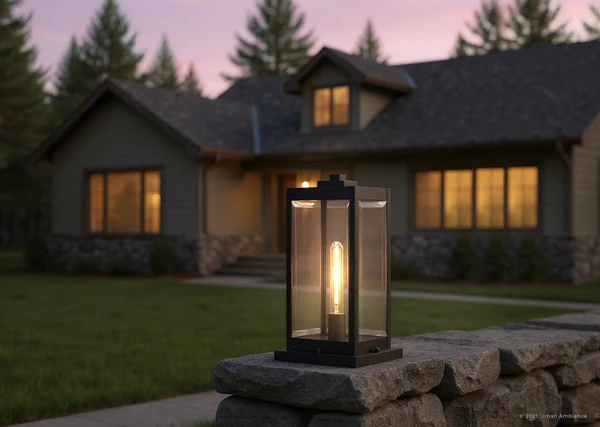
Ocean air, sun, and storms make outdoor lighting in Jacksonville Beach a special challenge. Salt spray speeds up corrosion. Summer humidity sneaks into fixtures and junction boxes. Wind-driven rain and tropical systems test your wiring, mounts, and seals. Thoughtful design and durable materials are not optional here. They are the difference between a home that looks great at night and a system that trips breakers or fails when you need it most.
Good lighting prevents trips on stairs and paths. It deters intruders. It highlights your landscape and boosts curb appeal. You can get all of that without wasting energy or risking shock hazards. Mark of Jax Beach Handyman has spent years solving coastal lighting problems across the Beaches community. If you want a reliable plan, or a second set of eyes on an existing setup, consider starting with a quick consultation from a local expert. You can also get fast help from a trusted handyman in jacksonville fl when you are ready to install, upgrade, or repair.
Why Outdoor Lighting Matters in a Coastal Environment
Jacksonville Beach homes face conditions that inland neighborhoods do not. Your lighting must work through salt, sand, wind, and water, all year.
- Security and peace of mind. Well-placed light at entries, driveways, and yards makes it harder for unwanted visitors to hide. Motion detection adds extra deterrence.
- Safe footing and visibility. Steps, decks, docks, and uneven pavers need consistent light to prevent slips and falls.
- Corrosion control. Salt air attacks metal housings, mounting hardware, and any exposed contact points. Cheap plating and thin gaskets fail fast.
- Moisture in enclosures. High humidity fosters condensation inside poorly sealed fixtures. This can short LEDs, rust screws, and degrade gaskets.
- Storm readiness. Heavy rain and wind push water into weak seals. Loose mounts can twist, sag, or break. Electrical faults show up under stress.
Common Types of Outdoor Lighting for Homes
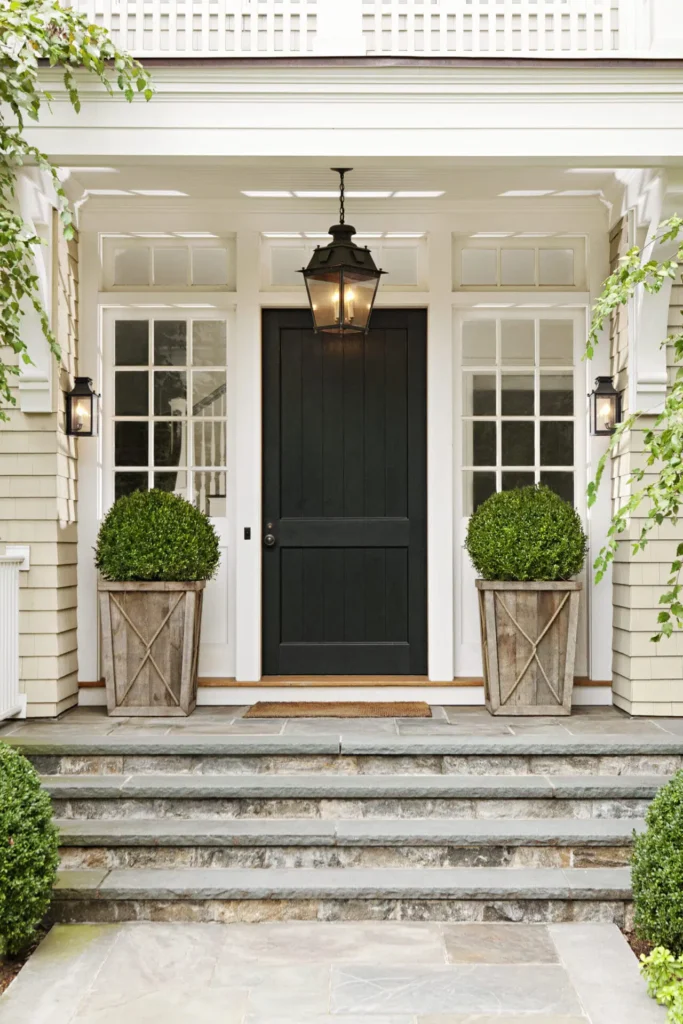
Each area of your property has different lighting needs. Here is how common fixture types stack up in a coastal setting.
| Fixture Type | Best Use | Typical Lifespan (LED) | Energy Impact | Coastal Durability Notes |
|---|---|---|---|---|
| Wall-mounted sconces | Entrances, garage doors, patios | 25,000–50,000 hours | Low when LED | Look for marine-grade aluminum or powder-coated stainless, sealed backplates |
| Floodlights | Driveways, yards, security coverage | 25,000–60,000 hours | Moderate, motion sensors cut runtime | Use gasketed, IP65 or higher housings, stainless brackets |
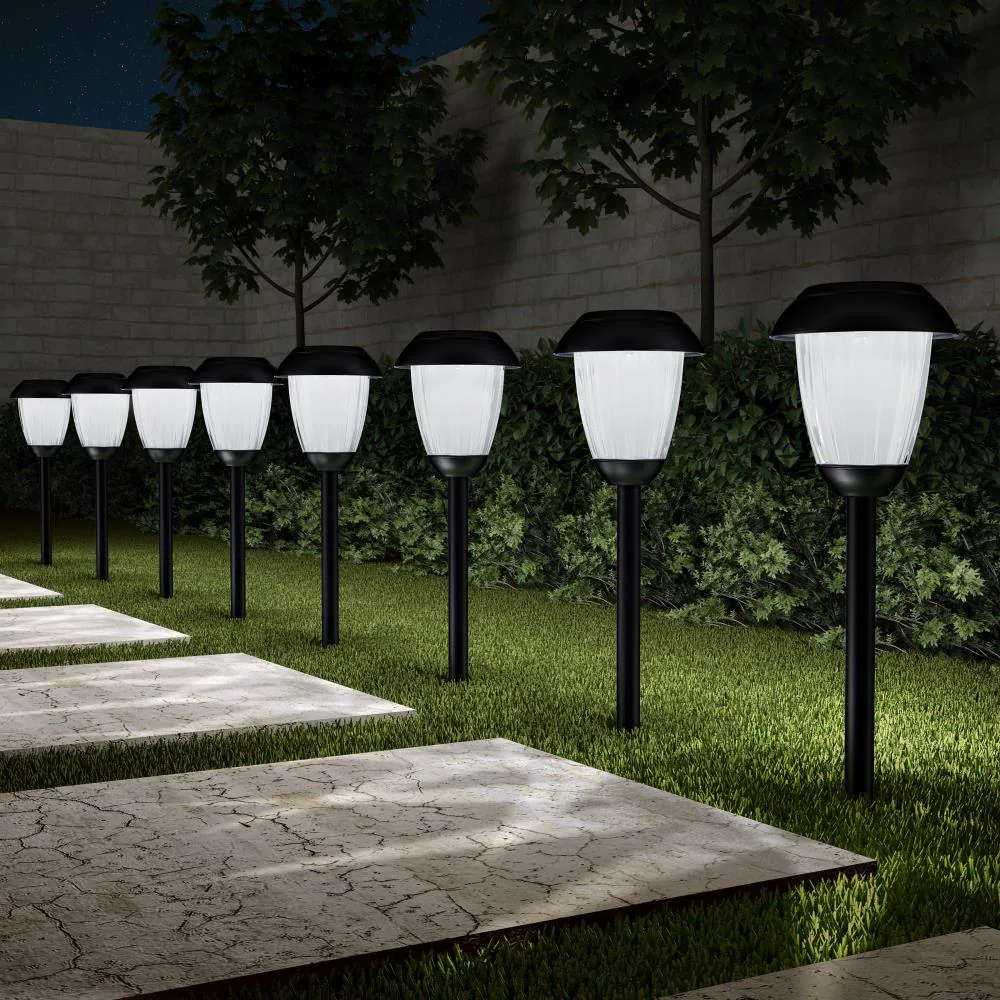
| Path and garden lights | Walkways, beds, edges | 20,000–50,000 hours | Very low with LED or solar | Choose UV-stable plastics or marine-grade metals, sealed connectors |
| Step and deck lights | Stairs, railings, treads | 30,000–50,000 hours | Very low | Fully gasketed faceplates, anti-corrosion fasteners |
| Spotlights | Trees, facades, flags | 25,000–50,000 hours | Low to moderate | Angled to shed water, sealed lead and connector boots |
| String and accent lights | Porches, pergolas, seasonal ambience | 10,000–25,000 hours | Low | Outdoor-rated only, use GFCI outlets and drip loops |
Critical Safety Practices for Installation
Ground-fault protection
- Use GFCI outlets for every exterior receptacle. Test monthly.
- Protect whole outdoor circuits with GFCI breakers when possible.
- Label exterior circuits at the panel for fast troubleshooting.
Weatherproof materials
- Choose fixtures rated for wet locations, not just damp. Look for IP65 or higher for direct exposure.
- Use marine-grade stainless steel, powder-coated aluminum, or UV-stable composite housings. Avoid cheap steel or thin plating.
- Pick silicone gaskets and sealed backplates to fight salt spray and driving rain.
- Use outdoor-rated wire nuts with silicone sealant or heat-shrink connectors on low-voltage runs.
Timer and sensor settings
- Add photocells on porch and garage fixtures so lights only run from dusk to dawn.
- Use motion sensors on floods to reduce energy use and heat buildup.
- Program smart timers to stagger zones. This smooths load on circuits and extends LED life.
Proper elevation and coverage zones
- Mount wall lights at 66–72 inches to avoid glare and improve spread.
- Set floodlights at 9–12 feet, angled 22–30 degrees down. This avoids light trespass and hot spots.
- Place path lights 10–14 feet apart. Aim for overlapping pools of light, not bright dots with dark gaps.
- Keep fixtures away from constant sprinkler spray. This reduces mineral stains and gasket wear.
Signs Your Outdoor Lighting is Unsafe
- Flickering or dimming when it rains.
- Yellowing or brown heat marks on lenses.
- Exposed conductors or cracked insulation at connections.
- Rust streaks or powdery corrosion around screws and brackets.
- Frequent breaker trips or GFCI resets.
- Uneven lighting that hides stairs or edges. This causes trip hazards.
Energy and Climate Insights
LED upgrade impact
The chart shows estimated monthly energy use for a typical 12-fixture setup. It compares older halogen lamps to efficient LEDs in a Jacksonville Beach home.
Monthly Energy Use, kWhBefore (Halogen)After (LED)~90 kWh~45 kWh
Most homes see 40–60 percent lower lighting energy use after an LED conversion. Less heat also helps fixtures survive in hot months.
Coastal climate effect on lifespan
Salt and humidity reduce fixture life compared to inland homes. Quality materials and sealed connectors close the gap.
Estimated Fixture Lifespan TrendLongerShorterYearsInlandCoastal
Example: An inland LED flood might last 10–12 years. The same model at the beach could need replacement in 6–8 years without marine-grade hardware and sealed wiring.
FAQs
How often should I inspect my outdoor wiring?
Give your system a quick look every season. Check connections, seals, mounts, and lenses after major storms. Do a deeper inspection each spring, including GFCI tests and timer settings.
What is the safest location for motion sensor lights?
Mount them 9–12 feet high, under an eave if possible. Aim them across, not along, expected movement. Avoid direct views into streets to reduce false triggers.
Can LED fixtures handle beachside humidity?
Yes, if they are wet-location rated and well sealed. Look for IP65 or higher, quality gaskets, and corrosion-resistant housings. Vent design that sheds moisture without inviting spray is ideal.
Do I need special bulbs at the beach?
Use integrated LED fixtures or LED lamps rated for outdoor wet locations. Pair with sealed housings and anti-corrosion sockets.
What wire is best for low-voltage path lights?
Use 12–14 gauge direct-burial cable. Keep shallow runs in conduit to protect from gardening tools. Use heat-shrink or gel-filled connectors.
How bright should entry lights be?
Target 400–800 lumens for porch fixtures and 1,200–2,000 lumens for security floods. Choose warm white 2700–3000K for porches and 3000–4000K for security zones.
How do I avoid light glare into neighbors’ yards?
Use shielded fixtures and aim lights down. Lower beam angles and add hoods on floods. Path lights should cast light sideways and down, not up.
Can I put lights on a dock or seawall?
Yes, but code and safety are strict. Use marine-rated hardware, corrosion-proof fasteners, sealed conduit, and GFCI protection. Keep wiring clear of tidal splash when possible.
Cost Considerations for Outdoor Lighting Installation
Budgets vary by home size, fixture quality, and control options. Here is a realistic range for Jacksonville Beach.
- Design and planning. 150 to 500 dollars for a small system. Larger projects with multiple zones run higher.
- Fixtures. 60 to 180 dollars per LED path light. 120 to 350 dollars per wall sconce. 150 to 400 dollars per LED flood. Marine-grade options cost more but last longer.
- Wiring and transformers for low-voltage systems. 200 to 600 dollars for typical yards.
- Smart controls and sensors. 50 to 200 dollars per device.
- Labor. 65 to 125 dollars per hour locally, depending on scope and access.
For a modest front yard and entry upgrade, expect 1,200 to 2,800 dollars. For whole-property lighting with quality fixtures, 3,500 to 8,500 dollars is common. Lifetime cost favors LED and marine-grade parts. You replace less often and save on power.
If you want a single point of contact for design, installation, and follow-up service, a local handyman in jacksonville fl can help you plan a phased approach that fits your budget.
Energy-Efficient and Low-Maintenance Solutions
Solar lights
- Best for paths and accent zones with direct sun. Avoid heavy shade.
- Choose models with replaceable batteries and sealed panels. Clean panels seasonally.
- Lower light output than wired LEDs, but zero energy draw.
LED vs halogen efficiency
- LEDs use 70–85 percent less energy than halogens for the same brightness.
- LEDs run cool. Heat is the enemy of electronics and gaskets.
- Long lifespan offsets higher upfront cost, especially in hard-to-reach places.
Why Hiring a handyman in jacksonville fl for Outdoor Lighting is Smart
- Local code knowledge. Correct GFCI protection, box fill, and exterior-rated components keep your home safe and compliant.
- Coastal materials know-how. Right metals, gaskets, and connectors reduce corrosion and callbacks.
- Clean, sealed wiring. Proper splices, drip loops, and conduit routing block moisture intrusion.
- Right-sized transformers and circuits. Balanced loads prevent dim zones and nuisance trips.
- Smart controls dialed in. Photocells, timers, and motion sensors that match your yard and habits.
How Mark Helps Jacksonville Beach Homeowners
- Site walk and needs analysis. Identify safety hazards, dark zones, and likely corrosion points.
- Fixture and finish selection. Recommend marine-grade or sealed options that fit your style and budget.
- Precision installation. Solid mounts, sealed penetrations, protected cabling, and tidy terminations.
- Storm-hardening touches. Extra sealant where wind-driven rain hits, anti-corrosion paste on threads, and stainless fasteners.
- Follow-up maintenance. Seasonal checks, quick repairs, and sensible upgrades over time.
Related Homecare Resources
Thinking about DIY? Read Jacksonville Beach Handyman Services: Mistakes to Avoid before you start. It highlights common errors like undersized wire, poor sealing, and overloaded circuits. For keeping moisture out and energy in, see Jax Handyman Guide: Coastal Weatherstripping & Efficiency. Weatherproofing and lighting go together. Dry walls and sealed openings protect your lighting runs and exterior boxes.
Checklists and Visual Tools
Installation checklist
- Confirm GFCI protection for all exterior receptacles and circuits.
- Use wet-location, IP65+ fixtures in exposed spots.
- Apply anti-corrosion paste on screws and lamp bases.
- Seal backplates and wall penetrations with exterior-grade silicone.
- Run drip loops before entries. Use conduit where exposed.
- Use gel-filled or heat-shrink connectors on low-voltage splices.
- Aim floods downward, shield where needed, and set motion sensitivity.
- Program timers and photocells. Label zones.
Fixture inspection guide
- Look for cracks in lenses and gaskets.
- Check for rust stains or white, powdery corrosion.
- Test GFCIs and replace any that will not reset.
- Tighten loose mounts and brackets.
- Clean lenses and remove insect nests or debris.
- Verify photocells do not face porch lights that can trick them off.
Seasonal maintenance schedule
| Season | Tasks |
|---|---|
| Spring | Deep clean lenses and panels. Test GFCIs. Re-aim floods after winter storms. Inspect seals. |
| Summer | Trim plants blocking light. Reduce sensor sensitivity if false triggers increase with activity. |
| Fall | Check mounts before storm season. Seal hairline gaps. Replace worn gaskets. |
| Winter | Shorter days, adjust timers for earlier dusk. Inspect for condensation on cool mornings. |
Long-Term Value of Outdoor Lighting
- Better security. Motion floods and bright entries deter intruders.
- Safer nights. Steps and paths stay visible, even in rain.
- Curb appeal. Warm, even light highlights architecture and landscape.
- Lower energy use. LED and smart controls cut waste and extend hardware life.
- Fewer headaches. Marine-grade materials and sealed wiring reduce corrosion and failures.
The right plan pays for itself. You spend less time fixing failures and more time enjoying your home after sunset.
Conclusion
Coastal lighting succeeds when design, materials, and safety work together. Start with a clear plan, then choose sealed fixtures, corrosion-resistant hardware, and smart controls that fit beach life. Keep an eye on mounts and gaskets, especially after storms. If you want expert help from someone who knows our climate, Mark at Jax Beach Handyman is ready to assist. Book a visit with a trusted handyman in jacksonville fl to schedule a lighting inspection or plan your upgrade today.

https://shorturl.fm/CA6RE
https://shorturl.fm/lfYSo
https://shorturl.fm/noi4v
https://shorturl.fm/czZGI
https://shorturl.fm/mBlHN
https://shorturl.fm/LHEnT
https://shorturl.fm/mGb6k
https://shorturl.fm/EQRhs
https://shorturl.fm/xr61D
https://shorturl.fm/x7lK3
https://shorturl.fm/0iiAL
https://shorturl.fm/orAWZ
https://shorturl.fm/5b5pM
https://shorturl.fm/GsvPV
https://shorturl.fm/IWaNk
https://shorturl.fm/3Gkll
https://shorturl.fm/I4leL
https://shorturl.fm/5sIre
https://shorturl.fm/LsrwC
https://shorturl.fm/2JsHN
https://shorturl.fm/5YO4Q
https://shorturl.fm/zVLsB
https://shorturl.fm/H3r2u
https://shorturl.fm/0tim8
https://shorturl.fm/RnEeZ
https://shorturl.fm/U44Hc
https://shorturl.fm/Mf6af
https://shorturl.fm/ytvMA
https://shorturl.fm/t8QQa
https://shorturl.fm/epTxN
https://shorturl.fm/eJqhP
https://shorturl.fm/SegtA
https://shorturl.fm/13e5c
https://shorturl.fm/21tbs
https://shorturl.fm/j4ag7
https://shorturl.fm/82Hv8
https://shorturl.fm/82Hv8
https://shorturl.fm/yQCxa
https://shorturl.fm/Urh64
https://shorturl.fm/q7ged
https://shorturl.fm/RlxYd
https://shorturl.fm/xmM4N
https://shorturl.fm/pjhIB
https://shorturl.fm/K9t02
https://shorturl.fm/bgoFJ
https://shorturl.fm/9wDVO
https://shorturl.fm/F2tZq
https://shorturl.fm/itJDL
https://shorturl.fm/joCb0
https://shorturl.fm/JnI6F
https://shorturl.fm/mmlnB
https://shorturl.fm/Kqjm9
https://shorturl.fm/ZdzRg
https://shorturl.fm/63V5b
https://shorturl.fm/umET9
https://shorturl.fm/FAbKo
https://shorturl.fm/JNrPK
https://shorturl.fm/bUmLX
https://shorturl.fm/oyaVV
https://shorturl.fm/izVba
https://shorturl.fm/oFfLV
https://shorturl.fm/Zl9N7
https://shorturl.fm/GOILx
https://shorturl.fm/jhBWR
https://shorturl.fm/MVQGZ