What Projects Increase Home Value in Jacksonville Beach?
Summary
- Salt, humidity, and wind shift the ROI math for coastal homes on the First Coast
- Small, durable updates beat big remodels if you plan to sell within a year
- Inspection friction kills deals; focus on issues that show up on 4‑point and wind-mit reports
- Outdoor comfort upgrades pay off more than luxury finishes in hot months
- Use a stepwise evaluation to avoid overspending on low-return projects
Introduction
We work on Jacksonville Beach homes every week, from block bungalows east of Third Street to newer infill houses closer to the Intracoastal. The coastal climate is constant, but buyers and budgets aren’t. That’s why “best ROI” lists pulled from national averages often miss the real decision points we see on the First Coast.
From the perspective of a local crew, value isn’t just about shiny finishes. It’s about projects that reduce inspection friction, hold up to salt and humidity, and match how buyers and renters actually live near the water. When people ask us what to tackle first, we ground the answer in what we’ve learned delivering handyman services in jacksonville through multiple seasons, storms, and closings.
Why adding home value in Jacksonville Beach and the First Coast is different
Climate stressors and materials
Salt air accelerates corrosion; humidity swells wood and feeds mold; wind-driven rain finds tiny gaps. That changes product choices and payback timelines.
- Fasteners and hardware: Stainless or hot-dip galvanized outlast basic zinc. Matte black coastal-rated hardware resists pitting better than cheap plated brass.
- Exterior surfaces: Fiber-cement and concrete block beat raw wood. Elastomeric coatings bridge hairline stucco cracks and slow water intrusion.
- Decking and rails: Composite boards and aluminum rails survive better than untreated pine near the ocean; if using wood, budget for frequent sealing.
- Fans and fixtures: Use “damp” or “wet” rated fans outside; IP-rated exterior fixtures prevent failures that show up on inspections.
Buyer expectations and inspection realities
In Jacksonville Beach, many appraisers and agents care about condition signals that tie directly to insurance, comfort, and maintenance:
- 4-point/wind mitigation issues: Loose soffits, aging GFCIs, non-functioning exterior outlets, rusty hose bibs, and missing anti-tip brackets often slow closings.
- Moisture control: Clean attic ventilation, working bathroom exhaust, and tidy crawlspace conditions reduce musty odors that spook buyers.
- Daily livability: Shade, airflow, and storage are worth more than themed upgrades. Buyers who tour during August know exactly how a patio feels at 3 pm.
Popular upgrade misconceptions we see
ROI myths and one-size-fits-all expectations
- “Big kitchens always pay back.” Not if cabinets and stone are mismatched to the neighborhood or sit 500 yards from salt spray. Materials can age fast.
- “New is always better.” A modest, well-maintained block home often nets better offers than a flashier place with mixed-quality additions.
- “Curb appeal is just landscaping.” At the beach, clean stucco, rust-free rails, and sealed pavers matter more than a truckload of tropicals.
Location-blind remodeling consequences
We’ve pulled out interior barn doors swollen shut, swapped corroded budget faucets within a year, and repainted peel-prone exterior trim where a non-elastomeric was used. The coastal zone punishes the wrong spec. That translate into lower ROI because poor durability equals early replacement and inspection notes.
Small upgrades that make the biggest resale difference
Painting and drywall refresh
- Interior: Light, coastal-neutral paint with repaired nail pops and crisp caulk lines reads “maintained.” Address bathroom and laundry drywall where humidity shows.
- Exterior: Spot repair stucco cracks, prime rust spots, and apply a quality exterior coating. Buyers notice the lack of hairline cracking around window returns.
Trustworthy hardware and fixture swaps
- Corrosion-resistant bath and kitchen faucets; swap failing supply lines and add shutoff valves that actually turn.
- Coastal-rated knobs, levers, and hinges at entry doors; adjust strikes so doors latch cleanly even during humid stretches.
Outdoor space usability in hot climates
- Shade + air: Add a simple pergola, tensioned shade sail, or extend an eave line; install wet-rated ceiling fans.
- Screening: Screened porches earn more use than outdoor kitchens in many mid-range homes; keep it simple and durable.
- Surface comfort: Reseal pavers, add a hose bib splitter, and ensure a place to rinse sand—small things buyers imagine using day one.
Storage boosts that don’t take square footage
- Garage ceiling racks rated and anchored into trusses; corrosion-resistant shelving; tidy kayak or surf racks.
- Closet systems with ventilated wire or powder-coated steel to minimize moisture traps.
Lighting and airflow optimizations
- LED retrofits with sealed trims in kitchens and baths to fight condensation and rusting cans.
- Balanced exhaust: Verify bath fans vent outside and size appropriately; quiet fan upgrades reduce odors and mildew.
- Smart switching: 3-way switch fixes and exterior motion lights improve safety and perception of care.
Quick-win table for the beach market
| Project | Typical Jax Beach Budget | Likelihood of Positive ROI | Why It Works Here |
|---|---|---|---|
| Interior repaint + drywall touch-ups | $2,000–$6,000 | High | Clean, bright, fixes humidity blemishes |
| Coastal-rated hardware & faucets | $300–$1,200 | Medium–High | Visible quality, corrosion resistance |
| Screened patio + wet-rated fan | $1,500–$5,000 | High | Usability in heat and bugs |
| Garage/closet storage systems | $500–$2,000 | Medium | Beach gear organization without remodeling |
| Exterior caulk/paint repairs | $1,000–$4,000 | High | Stops water, smooth inspections |
Exterior upkeep that matters—and what doesn’t—in local market conditions
- Matters: Sound fascia/soffit, rust-free fasteners, clean gutters where present, sealed stucco, stable fence posts, smooth-sliding impact-rated doors if installed.
- Matters less: Exotic landscaping that struggles in salt wind; expensive palms with high maintenance; fragile wood features that gray and warp within months.
For a deeper dive on exterior first impressions, we’ve outlined coastal-friendly moves in this guide to curb appeal boosters for the Jacksonville Beach climate.
Projects where cost outweighs likely return here
Major kitchen overhauls
A full tear-out with custom cabinetry and high-end stone often overshoots neighborhood comps, especially east of A1A where salt ages metal and finishes faster. Mid-range facelifts—painted boxes, new pulls, sealed quartz, upgraded lighting—tend to show far better ROI than full custom.
Luxury custom work
Built-ins, bespoke millwork, or exotic woods inside unconditioned spaces rarely survive the humidity gracefully. Unless you’re anchoring a true luxury comp, the value typically doesn’t appraise the spend.
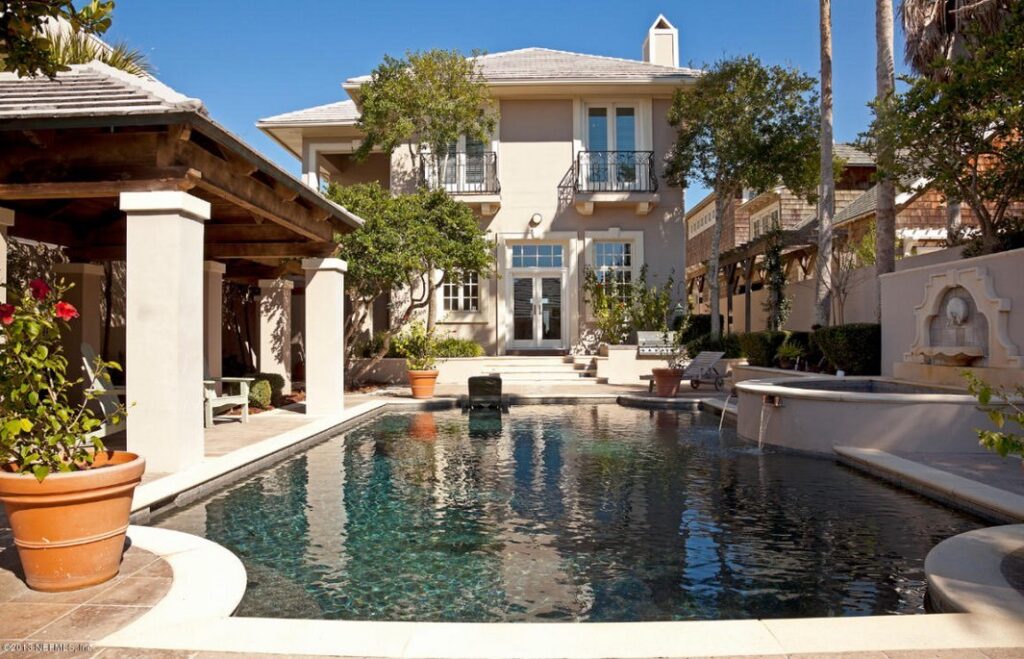
Pools and spas without rental intent
Some buyers love them; insurers and maintainers don’t. Unless short-term rental income is part of the plan or you’re in a segment where pool homes define the comp set, the net return is mixed once maintenance and resurfacing are considered.
We’ve covered value-forward projects that align with neighborhood expectations in our take on Jacksonville handyman services that boost beach home value.
Budget and ROI comparison for common choices
| Project Type | Jax Beach Budget Range | Durability Risk (Coastal) | Likely ROI Band | Notes |
|---|---|---|---|---|
| Full kitchen remodel | $35k–$90k | Medium | Low–Medium | Often over-improves vs. comps; mid-range refresh fares better |
| Bath refresh (fixtures/tile repair/paint) | $2k–$10k | Low | Medium–High | Moisture control + clean finishes sell |
| Screened patio addition | $1.5k–$5k | Low | High | Livability boost in heat and bugs |
| Exterior repaint with caulk/stucco fixes | $3k–$10k | Low | High | Reduces inspection notes, improves curb appeal |
| Impact windows/doors | $12k–$40k | Low | Medium | Comfort + insurance credits; ROI depends on comps |
| Composite deck with aluminum rails | $8k–$25k | Low | Medium | Durable outdoor living; cost-sensitive |
| Pool installation | $45k–$100k+ | Medium | Low | Mixed returns unless rental or high-end comp set |
How homeowners should evaluate cost vs. benefit in Jacksonville Beach
Ask these market-specific questions first
- Timing: Selling within 12 months? Favor visible, durable, and inspection-friendly work over deep remodels.
- Property type: Concrete block vs. frame? Block often rewards exterior coating and window/door work; frame needs vigilant moisture management.
- Buyer profile: Family, remote worker, retiree, or investor? Storage, shade, and low-maintenance fixtures score across all groups.
- Comp fit: Will the project push you out of the neighborhood’s price ceiling?
- Durability: Will salt and humidity undo a budget choice within a year?
Step-by-step pre-upgrade evaluation checklist (local handyman perspective)
- Walk the envelope: Note cracks, caulk failures, soft wood, loose fasteners, rust stains, and failed exterior outlets or lights.
- Check moisture control: Bath fans venting outside, laundry vent integrity, attic insulation not blocking soffits, dehumidifier strategy if needed.
- Prioritize inspection traps: GFCIs where required, anti-tip on range, secure water heater strapping/pans, smooth-operating windows and doors.
- Score quick wins: Paint touch-ups, hinge and latch tuning, closet storage adds, lighting upgrades, simple patio airflow/shade fixes.
- Right-size ambitions: If comps don’t support a custom kitchen, choose a refresh—painted cabinets, hardware, counters, backsplash, lighting.
- Spec for the coast: Stainless/hot-dipped fasteners, coastal-rated fans/fixtures, fiber-cement, elastomeric where appropriate.
- Budget a buffer: 10–15% for hidden issues; older beach homes can hide prior patchwork.
- Sequence smart: Exterior water management first, interior cosmetics second, optional lifestyle upgrades last.
How perceived value from upgrades affects the deal
- Buyer interest: Clean lines, fresh paint, and functional storage read as low-maintenance living. Showings run longer and second looks increase.
- Inspection friction: Eliminating easy dings (rusted outlet covers, leaky hose bibs, loose stair rails) reduces renegotiation lists.
- Negotiation leverage: A house that “shows dry” (solid caulk, tight tile, quiet fans, no musty corners) supports list price better than a flashier home with small defects.
Scenario breakdowns: choose the path that fits your goal
Selling in the next 90 days
- Focus: Paint/drywall refresh, exterior caulk and touch-ups, hardware/fixture swaps, lighting, patio airflow, tidy storage.
- Avoid: Major layout changes or long-permit items that won’t finish before listing.
Listing in 6–12 months
- Focus: Add screening or shade, refresh baths, consider impact door at primary entry, seal pavers, address attic ventilation issues.
- Avoid: Custom built-ins or specialty finishes that limit buyer tastes.
Holding long-term
- Focus: Impact openings, composite or aluminum exterior elements, moisture management, long-warranty coatings, quality fans/fixtures.
- Avoid: Cheap materials that need repeat labor; salt will erase the “savings.”
Short-term rental strategy
- Focus: Durable surfaces, lockable owner storage, hose-down-friendly entries, bunk-room storage, simple smart lighting.
- Avoid: Fragile landscaping or soft woods in high-traffic areas.
Insurance renewal pressure
- Focus: GFCIs, handrails, roof and soffit repairs, rusted electrical device replacement, water heater code items.
- Avoid: Cosmetic-only spends until you pass inspection hurdles.
FAQs
What’s the fastest upgrade to improve offers in Jacksonville Beach?
A tight interior repaint with drywall fixes, plus an exterior caulk/paint touch-up. It reads clean, photographs well, and reduces small inspection notes.
Do I need coastal-rated fixtures everywhere?
Not everywhere, but exterior and bath areas benefit most. We replace far fewer coastal-rated fans and lights within two years than budget indoor-rated ones used outside or near showers.
Is a full kitchen remodel worth it before selling?
Only if your comps support it and you have time. Most sellers get stronger returns from a mid-level refresh—cabinet paint, new hardware, counters, backsplash, and lighting.
How long do screened patio projects take?
Simple screen additions with one or two fans can run a few days to two weeks depending on framing needs, slab condition, and permitting specifics.
What about people searching “handyman services near me” for coastal fixes?
That search often signals urgent, practical needs—paint failures, rusted hardware, sticky doors. Tackling those first usually pays off more than aesthetic overhauls.
Which materials fight rust best close to the ocean?
316 stainless, hot-dip galvanized fasteners, powder-coated aluminum rails, fiber-cement trims, and elastomeric exterior coatings consistently outlast cheaper alternatives around Jax Beach.
Conclusion
In Jacksonville Beach, value lives where durability, everyday comfort, and clean inspections overlap. Flashy remodels can help in the right comp set, but most homes gain more from disciplined basics: tight envelopes, humidity-aware finishes, and outdoor spaces that feel good in August. That’s the pattern we see after years of fixing what salt and heat reveal. When upgrades match the neighborhood and the climate, the house looks cared for, the report list shrinks, and negotiations make more sense for everyone.
Approach the plan methodically, spec for the coast, and right-size ambitions to your timeline. That’s the honest path we’ve learned providing handyman services in jacksonville—projects that last, photos that pop, and fewer surprises between contract and close.
