
Stay Dry in Jacksonville Beach: A Homeowner’s Guide to Gutter Cleaning and Drainage
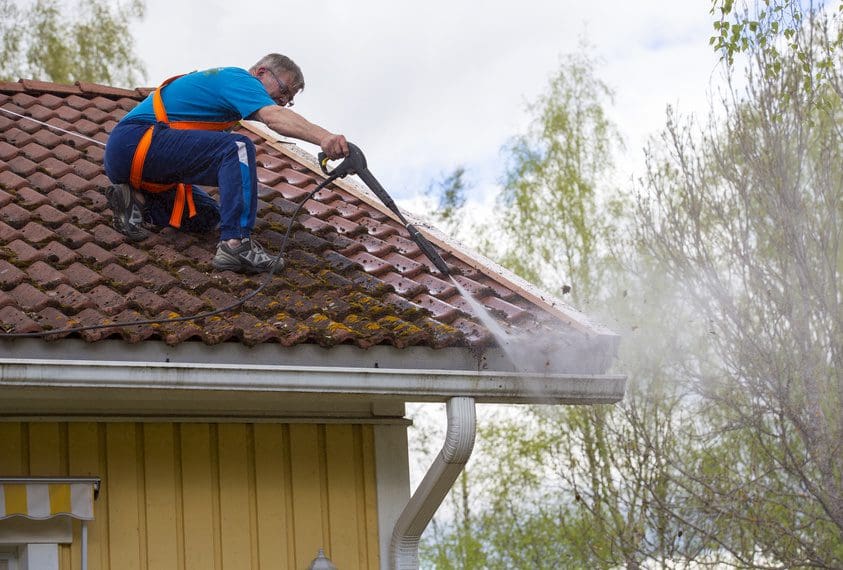
Summary
- Clean and direct roof runoff away from your foundation to prevent leaks, rot, and slab movement.
- Plan for summer downpours and nor’easters with clear gutters, extended downspouts, and graded soil.
- Use guards, splash blocks, French drains, and pop-up emitters where they fit your lot and soil.
- Inspect every season; clean at least twice a year and after major storms.
- Call a pro for two-story work, persistent clogs, drainage design, or structural repairs.
Introduction
Jacksonville Beach gets frequent heavy rain, quick cloudbursts, and long, wind-driven storms. Roofs shed thousands of gallons of water during these events. That water needs a clean path away from your foundation, siding, and landscaping. Gutters and ground drainage do that job. If they fail, water finds its way into places you do not want.
This guide shows you how to keep gutters clear, route water safely, and spot early warning signs. You will get simple steps, realistic costs, and local tips that match our sandy soils, shallow water table, and coastal winds. If you want expert help, Mark of Jax Beach Handyman can inspect, clean, repair, and improve your system on a schedule that fits our storm patterns.
Why Rainwater Management Matters in Jacksonville Beach
Jacksonville Beach averages about 50 inches of rain each year. Summer brings frequent thunderstorms. Tropical systems and nor’easters add long periods of wind and rain. Roof runoff can exceed 1,000 gallons from a 1,000-square-foot roof during a 1-inch storm. Larger roofs shed far more. Without clean gutters and a good exit path, that water collects around your foundation, under your slab, and against siding and fascia.
- High water table can slow infiltration. Standing water lingers near the house.
- Sandy soil drains quickly when graded well. It erodes fast when unprotected.
- Wind drives leaves, pine needles, and palm fronds into open gutters.
- Salt air accelerates corrosion on fasteners and hangers.
Good gutters and drainage reduce interior leaks, prevent fascia rot, protect paint and caulking, and limit slab movement. They also protect landscaping and hardscapes from washouts and heaving.
Common Drainage Problems and Warning Signs
- Water pools near the foundation for more than 24 hours after rain.
- Mulch washes onto walkways or exposes roots after storms.
- Dark streaks on siding below gutter lines show chronic overflow.
- Soft, rotted fascia or peeling paint behind the gutter.
- Mildew on soffits or at the base of walls.
- Soil settlement or gaps along the slab perimeter.
- Basement seepage or crawlspace moisture, if present.
- Ants, roaches, or mosquitoes breeding in clogged troughs.
- Downspout discharge cuts trenches or exposes irrigation lines.
- Driveway or paver edge erosion near downspout outlets.
One or two signs after a rare storm may not prove a system problem. Repeated signs tell you to act now.
What Happens When Gutters Are Neglected
- Overflow rots fascia and roof sheathing.
- Water backs under shingles and leaks into ceilings.
- Paint blisters and caulking splits at window and door trim.
- Water saturates soil around the slab and can cause movement.
- Mold grows on shaded walls and soffits.
- Termites and carpenter ants gain easier access through softened wood.
- Landscaping erodes and irrigation efficiency drops.
- Staining on sidewalks and rust on metal fences from constant splash.
Prevent these results with routine cleaning and proper discharge routes. If you need help sealing gaps and maintaining exterior surfaces, see the related guide Protect Your Jax Beach Home: Coastal Painting & Caulking Guide for more on water intrusion at joints and trim.
Tools That Help
These common products manage roof runoff. Pick what fits your roof, lot shape, and budget.
| Tool | What it does | Best for | Approx cost installed | Notes |
|---|---|---|---|---|
| Micro-mesh gutter guards | Keep leaves and pine needles out while allowing water in | Homes under trees, fine debris | 15 to 35 dollars per linear foot | Works well; needs periodic surface rinse |
| Perforated covers or screens | Block large leaves and fronds | Light to moderate debris | 5 to 12 dollars per linear foot | Budget friendly; small debris can enter |
| Downspout extensions | Carry water 4 to 10 feet from the foundation | Most homes | 25 to 80 dollars each | Use rigid pipe where traffic or mowers pass |
| Splash blocks | Disperse water at grade | Short term control | 10 to 30 dollars each | Place on compacted, sloped soil |
| Pop-up emitters | Hide outlets in turf; open under flow | Yards with room to discharge | 60 to 150 dollars per outlet | Keep 10 feet from structures when possible |
| Catch basins | Collect surface water and tie into drain lines | Low spots, patio edges | 150 to 400 dollars each | Needs cleanout access |
| French drains | Subsurface gravel trench that moves water | Swales, sides of house | 20 to 35 dollars per linear foot | Not ideal where water table is very shallow |
| Rain barrels | Capture water for irrigation | Gardens and small yards | 120 to 350 dollars each | Include overflow to a safe discharge point |
How to Clear Gutters Safely and Effectively
Safety first
- Work on a dry day with light winds.
- Use a stable ladder with a standoff. Tie it off if possible.
- Wear gloves, eye protection, and non-slip shoes.
- Keep three points of contact on the ladder.
- Stay clear of power lines. Do not overreach.
Step-by-step
- Place tarps below to catch debris where needed.
- Remove large debris with a gutter scoop or your hand.
- Use a leaf blower with a gutter attachment for dry material.
- Flush the gutter with a hose from the high end toward the downspout.
- If water backs up, clear the downspout. Insert a hose from the top and run at full pressure. Tap the downspout gently to release clogs.
- For stubborn clogs, disconnect the bottom elbow and clear from both ends. A small drain auger helps.
- Check gutter slope. Water should move to outlets without pooling. Typical slope is about 1/4 inch per 10 feet.
- Inspect seams, end caps, and hangers. Reseal with gutter sealant and tighten fasteners. Replace corroded screws with stainless where possible.
- Reattach downspouts and add extensions to carry water away from the foundation.
- Test the full system with a hose. Confirm steady flow to the discharge point.
Local tips
- Use stainless or coated screws. Salt air can corrode standard fasteners.
- Consider micro-mesh guards near pine and oak trees. Needles and catkins clog standard screens.
- Angle extensions to avoid irrigation heads and foot traffic.
Seasonal Maintenance Guide
Match your maintenance to our weather patterns.
| Season | Key tasks | Why it matters |
|---|---|---|
| Spring |
|
Prepare for early storms and daily showers. |
| Summer |
|
Frequent heavy rain can overload small problems. |
| Fall |
|
Prevent blockages before winter storms. |
| Winter |
|
Wind-driven rain finds weak points fast. |
When to Call a Pro
Some jobs require tools, time, and safe access. Call a professional when any of these apply:
- Two-story or steep roofs.
- Gutters pull away or fascia is soft.
- Downspouts clog repeatedly.
- Water enters walls, ceilings, crawlspaces, or garages.
- Yard needs drain design, trenching, or tie-ins.
- You want guards installed with proper slope and seams.
Typical cost ranges in our area
- Gutter cleaning: 125 to 200 dollars for most single-story homes; 175 to 350 dollars for two-story; higher for complex roofs.
- Minor repairs: 150 to 450 dollars for resealing, re-hanging, and replacing short sections.
- Downspout replacement: 150 to 300 dollars each, more with underground piping.
- Gutter guards: 5 to 35 dollars per linear foot installed, based on type.
- French drain or yard drain: 20 to 35 dollars per linear foot, depending on soil, depth, and finishes.
DIY can save labor costs. Pros bring ladders, safety gear, sealants, fasteners, and experience. A jacksonville handyman can also fix small carpentry and caulking issues during the same visit, which prevents repeat problems.
Why Hiring a jacksonville handyman Expert is the Smart Choice
- Safety: Proper ladders, harness points, and work practice reduce risk.
- Speed: A trained tech cleans, seals, and tunes slope in one trip.
- Integrated care: The same visit can address fascia repairs and paint touch-ups.
- Local fit: Product choices match salt air, wind, and tree debris common here.
- Storm readiness: Pre-season checks and post-storm service prevent escalation.
How Jax Beach Handyman Helps Homeowners
You want a simple plan that keeps water out and away. Here is what a local pro can do for you:
- Full roofline inspection with photos of trouble spots.
- Hand cleaning and flush of gutters and downspouts.
- Seal seams, reset hangers, and correct slope.
- Install guards suited to your debris type.
- Add or reroute downspouts. Extend outlets to safe discharge zones.
- Install splash blocks, pop-up emitters, or tie-ins to landscape drains.
- Light grading to restore positive slope away from the foundation.
- Annual or semiannual scheduling ahead of storm seasons.
If runoff is causing paint failure or joint gaps, review Protect Your Jax Beach Home: Coastal Painting & Caulking Guide to seal your exterior. If water pools along fence lines or rust forms at posts, see Fence Repair & Rust Prevention Guide – Jacksonville Handyman for ways to protect metal and wood near discharge points.
A seasoned jacksonville handyman brings the right fasteners, sealants, and layout choices that perform in our coastal environment.
Simple Diagram: Ideal Downspout and Drainage Layout
Use this visual to plan safe discharge. Keep outlets away from structures and neighbor lots.
  [Roof Edge]
      |   Clean gutter with 1/4 in. per 10 ft slope
      v
  [Downspout]
      |
      v
  [4 to 10 ft Extension] ----> Slight yard slope away from house (1 to 2%)
      |
      v
  [Pop-up Emitter in Lawn] 10+ ft from slab
      |
      v
  Overland flow to swale or approved drain path
- Keep at least 5 to 10 feet from the foundation before discharge.
- Do not aim outlets at walkways, driveways, or neighbor property.
- Maintain swales clear of mulch, sod ridges, and edging that block flow.
Related Homecare Resources
- Seal water entry points along trim and siding with the Coastal Painting & Caulking Guide.
- Protect fence lines from runoff and corrosion with the Fence Repair & Rust Prevention Guide – Jacksonville Handyman.
Maintenance Checklist
| Task | Frequency | Who | Notes |
|---|---|---|---|
| Gutter cleaning | Twice a year and after major storms | DIY or Pro | More often near trees |
| Downspout flush | Each cleaning | DIY or Pro | Clear elbows and test flow |
| Seal seams and end caps | Annually or if leaks appear | Pro preferred | Use gutter-rated sealant |
| Check hanger fasteners | Annually | DIY or Pro | Use stainless or coated screws |
| Inspect guards | Twice a year | DIY or Pro | Brush or rinse tops as needed |
| Verify slope | Annually | Pro | Adjust hangers to correct sags |
| Grade touch-up | Annually or after erosion | DIY or Pro | Maintain 1 to 2 percent away from slab |
| Check discharge points | Quarterly | DIY | Clear grass and mulch from emitters |
| Landscape drain flush | Annually, pre-storm season | Pro | Hose flush basins and lines |
FAQ
How often should I clean gutters in Jacksonville Beach?
Plan on twice a year. Add a cleaning after heavy leaf drop or major storms. Homes under pines and oaks may need quarterly checks.
Are gutter guards worth it here?
Yes for most homes under trees. Micro-mesh guards block pine needles and oak tassels better than basic screens. You still need periodic rinsing and seasonal checks.
What size gutters and downspouts handle heavy rain best?
Many homes do well with 5-inch K-style gutters and 2 x 3 inch downspouts. For larger roof areas or steep pitches, use 6-inch gutters with 3 x 4 inch downspouts to reduce overflow during downpours.
How far should downspouts discharge from the house?
At least 5 feet, and 10 feet is better when space allows. Use extensions, pop-up emitters, or tie into a yard drain that outlets to a safe area.
Can I run gutter water into a neighbor’s yard or the sidewalk?
No. Direct water to your own drainage areas or approved outlets. Keep discharge off sidewalks and driveways to prevent slip hazards and erosion.
What slope should gutters have?
About 1/4 inch drop per 10 feet toward each downspout. Long runs can split slope to a center outlet. Avoid sags that hold water.
Conclusion
Clean gutters and safe drainage protect your home during heavy Jacksonville Beach rains. Keep troughs clear, extend downspouts, and move water to stable outlets. Inspect each season and after big storms. Fix small issues early. If you want a reliable partner for cleaning, repairs, guards, and drainage improvements, contact Mark of Jax Beach Handyman. Schedule a service or inspection before the next storm cycle and keep your home dry and protected.
