
Here’s What Handyman Services in Jacksonville FL Actually Deliver for Drywall, Paint Touch‑Ups, and Move‑In/Out Punch Lists
Summary
- Jacksonville humidity and salt air break drywall seams and cheap paint fast
- Coastal homes fail differently than inland block homes on slabs
- Rental and flip shortcuts look good for a week, then telegraph every patch
- I check moisture, movement, and UV exposure before I touch paint
- Budget patches can hold if you prep right and match materials to the house
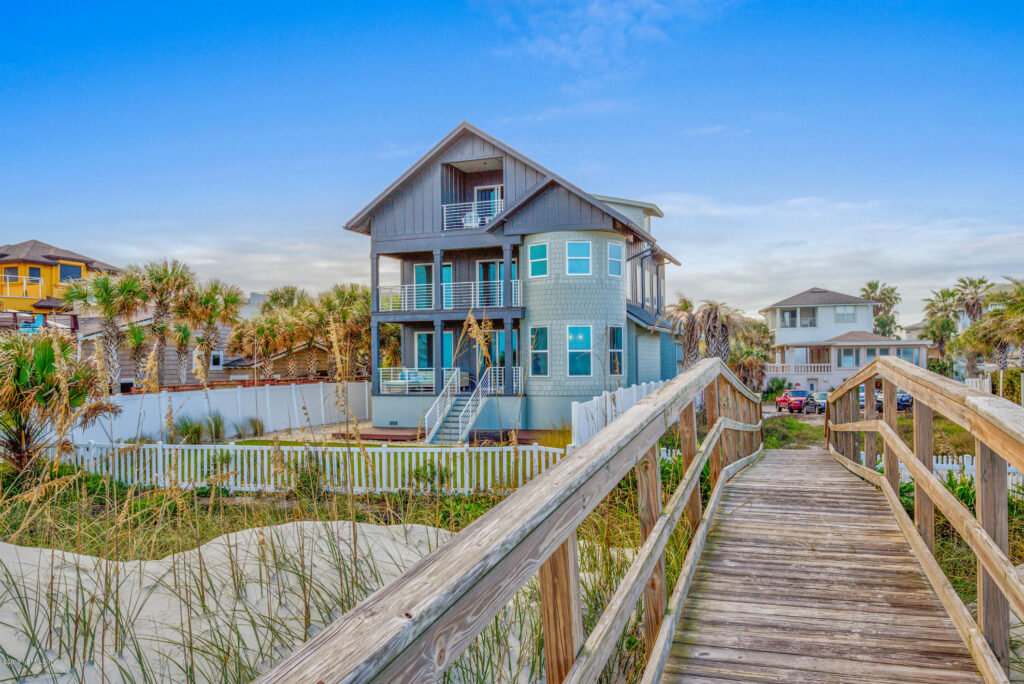
I work on Jacksonville homes every week. Jacksonville Beach, Neptune, Atlantic, Ponte Vedra condos, and inland block homes in Mandarin, Arlington, Riverside, and the Southside. I fix the same drywall seams, the same corner cracks, the same bubbled paint, and the same move-in/move-out punch list misses. Different addresses. Same patterns.
If you’re searching for a Jax Beach Handyman or digging around for handyman services in jacksonville fl, this is what actually holds up here, and what fails fast in our heat, humidity, and salt air.
Why drywall, paint, and punch lists break down more often in Jacksonville
I see three forces beating up your walls and trim here: moisture, movement, and UV.
- Moisture: Coastal air carries salt and stays wet. Inland, we still run high humidity for nine months. AC short cycles and leaves walls clammy. Bathrooms never vent outside. Moist drywall corners swell. Joint compound softens. Paint loses grip.
- Movement: Block homes on slabs shift with seasonal water table changes. Wood-framed second floors move even more. Popcorn over old seams cracks first. Bullnose corners split at the tape line.
- UV and Heat: South and west exposures cook latex. Cheap paint goes chalky. Caulk fails. Door and window caulk pulls off stucco.
Put those together and you get hairline cracks turning into visible seams, baseboard gaps opening and closing, and touch-up paint that never blends because the original wall is sun-baked and the new paint flashes.
Jacksonville weather patterns that break seams, crack joints, or damage corners
- Late spring to early fall: Daily humidity spikes. AC sweats ducts and drywall around registers. I see tape blisters under supply vents.
- Afternoon storms: Fast pressure changes. Wind pushes moisture into soffits and unsealed penetrations. Inside corners near exterior walls split at the tape.
- Cold snaps: Our rare cold weeks make wood trim shrink fast. Caulk splits around crown and door casings. You’ll notice shadow lines at joints.
- Nor’easters and tropical systems: Salt air drives inland. Metallic corner bead rusts under paint, then bleeds through as orange freckles.
When you hire handyman services in jacksonville fl during peak summer, the timeline for patching and painting stretches. Compound dries slow. Paint stays tacky. If you rush the recoat, it prints roller marks and flashes under light. I plan work around that. If you don’t, you redo it.
Where I usually see issues during move-in or move-out inspections
On move-outs I find the same stuff every time:
- Door backs and fridge-side walls: Dings and paper tears from furniture and appliance moves.
- TV mount holes: Over-sized toggles, no backing plates, no spackle before paint. You can see the crater from the entry.
- Baseboards: Swollen MDF from mopping and old leaks, especially near patios and kitchen sliders.
- Bathrooms: Peeling paint over semi-gloss, no sanding. Mildew behind the toilet because the bath fan vents into the attic or nowhere.
- Ceilings: Hairline cracks at truss lines. In older beach cottages, rust at screw heads under thin paint.
On move-ins, I watch for quick flips that painted over problems:
- Fresh paint over damp drywall: Looks fine for two weeks, then bubbles or soft patches show up.
- Heavy texture to hide bad seams: Orange peel blown thick right over loose tape. It cracks in a month.
- Mismatched sheens: Eggshell touch-up on flat walls creates permanent blotches.
What shortcuts landlords and flippers try—and why they fail
I’ve repaired a lot of flip-grade work. It’s fast, it photographs well, and it doesn’t last here.
- Caulking cracks instead of re-taping: Caulk shrinks and prints the line. In the beach zone, it cracks in weeks.
- One-coat touch-ups without feathering: You see every square edge under light. Looks like polka dots when the sun hits.
- Spackling over glossy paint with no scuff: Patch slides. You get little chips around the repair.
- Skipping primer on water stains: Stain bleeds back through the next afternoon because humidity reactivates it.
- Using light-duty mud on moving joints: That joint opens with the first cold snap. Paper tape lifts at the edge.
- MDF in wet zones: Baseboards swell along tubs and sliders. Once it mushrooms, you replace, you don’t repair.
These shortcuts keep a property moving through photos and showings. They don’t hold through a season on or near the coast.
What I check first when walking a property
I don’t start with a paint can. I start with why the wall failed.
- Moisture: I run a moisture meter on suspect walls, especially exterior walls, bathrooms, and ceilings under HVAC lines. If it’s above normal, I pause the patch. Painting over moisture is a do-over.
- Movement: I check for repeating crack patterns along corners, door headers, and ceiling lines. If it’s a repeat, I change the repair method.
- Ventilation: I look at bath fan ducting and attic venting. Many fans in Jacksonville blow into the attic or a dead space. That shows up as peeling paint and mildew.
- Substrates: Block walls, plaster patches, and old texture don’t accept the same products the same way. I match the compound and primer to what’s there.
- Exposure: South and west rooms get harsher UV. I pick paint and sheen with that in mind.
After that, I build a punch list that’s realistic. If you want a rental-ready finish in two days, I won’t sell you on a showroom result. I’ll tell you what holds one lease cycle and what won’t.
Budget patchwork that holds up vs what fails in months
Here’s what I’ve seen work on a budget in Jacksonville, and what I’ve seen fail fast.
Patchwork that holds up
- Small hole repairs with mesh and setting compound (hot mud), then a tight skim and primer. Holds even with humidity swings.
- Crack repairs with paper tape or FibaTape embedded in setting compound, not lightweight mud. Paper for inside corners, fiberglass for flats that move.
- Oil-based or shellac primer over water stains and rust bleed, then topcoat. Aerosol primers for spot work if the area is sealed off from humidity during cure.
- Feathered touch-ups across a larger blend area, not just the spot. Roll the wall top to bottom when possible to avoid flashing.
- Exterior door and window caulk: a quality elastomeric rated for movement, over dry joints only. Backer rod on big gaps.
Patchwork that fails in months
- Lightweight mud on a moving seam. It powders under stress and the line returns.
- Spackle over glossy or chalky paint with no scuff and no bonding primer.
- Touch-up with a different sheen than the wall. You’ll see it every day.
- Latex primer on a water stain. Bleed-through on the first humid day.
- Caulk over paint chips and dust. It detaches as a single peel.
Paint types vs failure patterns I see in Jacksonville
| Paint/Coating | Where I Use It | Common Failure Here | Notes |
|---|---|---|---|
| Flat interior latex | Bedrooms, ceilings, low-traffic walls | Scuffs and flashing on touch-ups in sunny rooms | Good for blending whole walls. Spot touch-ups show in UV. |
| Eggshell/satin interior | Living areas, hallways, rentals | Telegraphs patches if not primed and feathered | Durable, but sheen mismatch is obvious. |
| Semigloss interior | Baths, kitchens, trim | Peeling over old glossy coats without scuff | Always scuff and use bonding primer in baths. |
| Stain-blocking primer (oil/shellac) | Water stains, smoke, rust, knots | None if applied to dry substrate | Mandatory for real stains in humidity. |
| Elastomeric exterior | Stucco cracks and hairlines | Blistering if moisture trapped | Only on dry walls. Not a fix for leaks. |
| Alkyd trim enamel | High-wear trim and doors | Slow dry in summer humidity | Plan for longer cure. Hard finish pays off. |
Common staging paint touch-ups that fail quickly
- Magic eraser over flat paint: Leaves burnished spots that look like grease marks at an angle.
- Brush-only touch-ups: You can see every brush mark when the sun hits the wall. Roll the field or accept a visible patch.
- Wrong white on trim: Every paint brand’s white is different. One fresh door casing looks blue next to the old yellowed base.
- Spot prime on a glossy wall: Flashing around the repair. You end up painting the whole wall anyway.
- MDF patching near sliders: Sun and moisture puff it up. Looks fine at the showing, fails by move-in.
Coastal vs inland: how homes fail differently here
Coastal zones (Jax Beach, Neptune, Atlantic, Ponte Vedra)
- Salt air: Rust at corner bead and screw heads under thin paint.
- Wind-driven rain: Moisture sneaks into stucco cracks. Interior paint bubbles at baseboards on exterior walls.
- UV: South-facing rooms chalk and fade. Touch-ups never match unless you repaint the whole wall.
Inland neighborhoods (Mandarin, Riverside/Avondale, Arlington, Southside)
- Slab movement: Hairline cracks at ceiling corners and door headers come back every season.
- Block construction: Alkali and efflorescence bleed through if you skip the right primer on block walls.
- Trees and shade: Less UV, more mildew on north sides, especially near patios and sliders.
Block construction and slab foundations change the repair
On block homes, I treat exterior and interior differently. Block returns hold paint differently than framed walls. On slabs, I expect doors to rub and joints to open a little when the water table swings. I use paper tape on inside corners with a stronger compound, and I keep expectation clear: some cosmetic cracks are recurring in this climate. You control them. You don’t cure them forever.
Move-in/move-out: what I include and what I skip if you’re on a deadline
For punch lists under pressure, I split tasks into must-do, should-do, and ignore-for-now. It saves you rework.
Must-do before photos or turnover
- Patch and prime holes and dents that catch the eye from entry.
- Re-caulk obvious gaps at tubs, showers, and kitchen counters.
- Fix loose towel bars, TP holders, and door stops to prevent new damage.
- Touch-up base scuffs on main paths; roll full walls if touch-up will flash.
- Address active leaks or stains with proper primer. No paint-over.
Should-do if time allows
- Align doors and latches so they close cleanly. Settling makes them rub.
- Adjust kitchen/bath cabinet hinges and drawers. One hour here prevents calls later.
- Swap failing caulk with an elastomeric in wet zones.
Ignore for now, plan later
- Old texture mismatches on ceilings unless they’re in the main view.
- Hairline cracks that always come back in a known spot. Mark and monitor.
- Yellowed trim in closets. Not worth it on a fast turn.
Step-by-step homeowner checklist: drywall and paint that holds up here
- Find the cause: moisture, movement, or UV. Don’t start with paint.
- Dry it out: run AC, fans, or a dehumidifier. Aim for normal moisture readings.
- Prep to the surrounding finish: scuff glossy paint, remove loose texture, vacuum dust.
- Choose the right compound: setting-type for cracks/holes, lightweight for final skim only.
- Tape right: paper in corners, fiberglass or paper on flats depending on movement.
- Prime patches with stain-blocking or bonding primer as needed.
- Feather the paint: blend across natural breaks, or repaint full walls.
- Let it cure: give it a day more in summer humidity before hard use.
What happens when deferred maintenance catches up
When you skip prep and keep painting over problems here, you build layers that fail together. I’ve peeled whole yards of paint from bathrooms that were repainted every year without sanding or priming. Same with baseboards that were painted over swollen MDF: they crumble under the brush next time.
Here are the usual consequences:
- Each patch gets bigger. The first small fix missed the cause.
- Paint gets glossier in spots from repeated touch-ups. Walls start to look greasy at angles.
- Moisture creeps behind trim and drywall. Mold finds the paper backing and spreads.
- Buyers and tenants see the seams and assume more problems. You spend more before a sale or lease.
If mold or mildew is already part of the picture, read this and act early: Jacksonville FL Home Repair: Mold & Mildew Defense. Waiting here is expensive.
Seasonal tips for paint, drywall, and punch-list work
Summer (humid, daily storms)
- Use setting compounds for patches. They cure by chemical reaction, not air.
- Dehumidify rooms while paint cures. Small units or even just AC on Hold.
- Prime the day before you plan to paint. Give it the time.
Fall (storms, some dry days)
- Tackle exterior caulk and paint on dry stretches. Morning dew matters.
- Seal hairline stucco cracks before wind-driven rain.
- Plan ceiling work; attics are cooler and bath fans are easier to address.
Winter (short cold snaps)
- Expect trim gaps to open. Re-caulk once temps settle, not during the first cold day.
- Paint cures slower in cold garages. Give doors and trim longer before re-hanging.
- Review this for coastal prep: Jacksonville Beach Home Repair: Your Winter Checklist.
Spring (pollen, windy days)
- Keep windows closed while coating inside. Pollen ruins finishes.
- Spot-prime rust bleeds at corner bead before the humidity jumps.
- Plan whole-room repaints before summer humidity returns.
How I help Jacksonville homeowners avoid multiple rounds of costly fixes
My approach is simple. I match the repair to the house, the neighborhood, and the season. I don’t do the quick flip tricks that look good for photos and fail by the next rain. I set expectations for how a block house on a slab moves. I tell you when a wall will likely show a line again in a year, and what it costs to fight it now versus later.
When you ask for handyman services jacksonville fl and want it done once, this is what usually happens:
- I identify cause: moisture, movement, or sun. If moisture, I pause the paint and solve the water.
- I use setting compounds and real primers where they matter. Paint goes on last, not first.
- I scale the repair to your plan: moving out next month, or staying five years. Different scope.
- I avoid sheen mismatches that will drive you crazy. I’d rather roll a wall than dab a spot that will shout at you later.
Comparison: Repair now vs replace later
Baseboards in wet zones
- Repair now: Cut out small swollen sections, splice with PVC or finger-jointed primed wood, re-caulk with elastomeric. Lower cost, color matches fine.
- Replace later: Full room base replacement when flooring changes. Better long-term, avoids repeated patching.
Drywall corner cracks
- Repair now: Re-tape with paper or corner reinforcement, setting compound, texture match, full wall paint. Holds a few seasons.
- Replace later: Metal or composite corner bead replacement on long-term remodel. Higher cost, better durability in coastal homes.
Ceiling hairlines at truss lines
- Repair now: Skim and blend with flat ceiling paint. Expect seasonal return in some areas.
- Replace later: Add control joints or upgrade texture during renovation. Not typical unless you’re opening the ceiling.
Step-by-step homeowner checklist: move-out punch list that doesn’t boomerang
- Walk the unit at the same time of day the photos were taken. Sunlight shows every patch line.
- Mark wall dings at eye level and entry sight lines first. Those get priority.
- Remove hardware and anchors, not just screws. Patch with setting compound and mesh on larger holes.
- Prime all patches. Spot prime water stains and rust with oil or shellac.
- Decide now: full-wall repaint or accept visible touch-up. Don’t waste time on blends that won’t blend.
- Re-caulk tubs, showers, backsplashes. Pull failed caulk, dry the joint, then apply new.
- Open and close every door and cabinet. Fix rubs and loose hinges before they chew paint.
- Final pass with lights on and blinds open. Jacksonville sun is unforgiving on bad blends.
FAQ
Can I touch up a wall without painting the whole thing?
Sometimes. If the paint is flat, newer, and the wall hasn’t faded in the sun, you may blend. In sunny rooms or older paint, it usually flashes. I repaint full walls when the room gets strong afternoon light.
Why do my inside corners keep cracking?
Movement. Slab shifts and seasonal humidity open the joint. Paper tape with setting compound holds longer than caulk. Some corners still move again a year later. I tell you which ones are repeaters.
What primer stops water stains here?
Oil-based or shellac primer over a dry stain. Latex primer here will bleed through again. If the area still reads damp, stop and fix the moisture first.
Do I need special paint near the beach?
Inside, not special paint, but better prep. Plan for rust bleed at corner beads and screws. Outside, elastomeric and good caulk help, but not over wet stucco.
How long does a drywall repair take in summer?
One to three days depending on size. Setting compounds speed the early stages. Paint and primer still need time to cure in humidity.
Why won’t my touch-ups match even with the same can?
The wall changed. UV faded it, or the original film cured and burnished. The paint in the can didn’t age with the wall. Full-wall repaint solves it.
Is MDF baseboard okay in Jacksonville?
It’s fine away from wet areas. Near sliders, baths, and laundry, I use PVC or wood. MDF swells with routine mopping and humid air leaks.
How do I stop bathroom paint from peeling?
Vent outside, not into the attic. Scuff sand the old glossy paint, prime with bonding primer, then use a washable finish. If the fan doesn’t move air, the paint will peel again.
Realistic scope when you ask for help with drywall and paint
When you call about handyman services jacksonville fl, I ask a few questions: beach or inland, block or frame, timeline, and whether you want a quick turn or a longer hold. That decides the compounds, primers, and how much wall we repaint. I’d rather do a small area right than touch the whole house with the wrong method.
What I won’t do, because it fails here
- Paint over damp drywall or stains without blocking primer.
- Use lightweight mud as the only layer on a moving crack.
- Promise invisible touch-ups in sun-faded rooms.
- Caulk-and-go on a loose inside corner that needs tape.
- Put MDF back where water will hit it again.
Closing notes and tradeoffs
Jacksonville isn’t kind to drywall seams and paint. Salt air near the beach, humidity inland, slab movement, and UV all push on the same weak spots. If you pick the right materials, give them the time they need, and accept that some joints move seasonally, you save yourself round two.
If you want straightforward help, you can read more at Jax Beach Handyman. I’ll tell you what lasts in this climate, what’s a temporary bandage, and what can wait until you remodel. No drama. Just cause, effect, and a result that fits your place and your plans.
