
Can a Handyman Replace or Install a Water Heater in Jacksonville Beach?
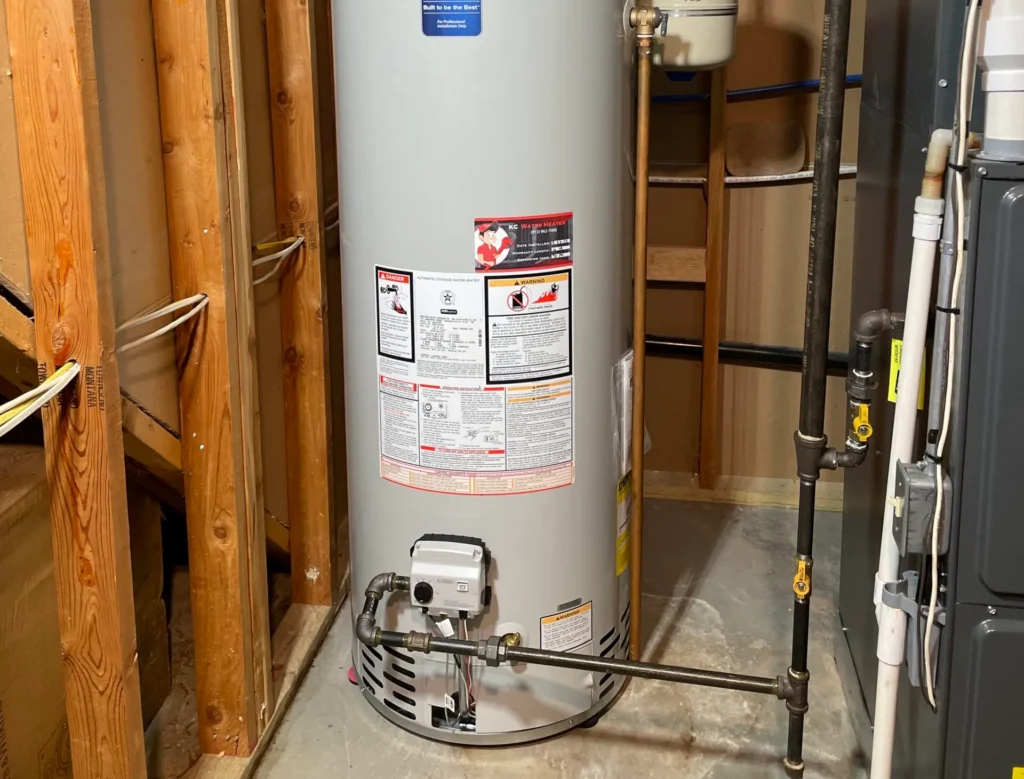
Summary
- Permits are usually required; gas and new electrical work must be done by licensed contractors
- Handymen add value with site prep, pans, access, haul-away, and coordination
- Electric, gas, and tankless units have different local code and venting demands
- HOA/condo rules and salt air corrosion change timelines and materials
- Budget, warranty, and inspection risks decide when a handyman path makes sense
Introduction
We get this question often because water heater failures rarely arrive on a convenient schedule. From Jacksonville Beach bungalows and Atlantic Beach cottages to Neptune Beach townhomes and St. Johns County newer builds, the mix of older plumbing, elevated humidity, and HOA rules makes water heater decisions less straightforward than most homeowners expect.
From Jax Beach Handyman’s seat, the right answer depends on licensing, permits, fuel type, and the specific home setting. In many First Coast scenarios, a handyman can prepare the space, protect finishes, add a code-compliant pan and platform, handle haul-away, and coordinate trades. In other scenarios—especially gas, tankless conversions, or new electrical circuits—a licensed plumbing or gas contractor, and sometimes an electrical contractor, must take the lead and pull permits through Jacksonville Beach, the City of Jacksonville, or St. Johns County building departments.
Why this question matters on the First Coast
Jacksonville Beach and the surrounding Beaches communities have a few realities that push this topic to the front of the line:
- Salt air and humidity: Corrosion on tank jackets, fittings, and flue components accelerates near the ocean. Anode rods, pans, and drain routing matter more here than inland.
- Code enforcement and insurance: Local inspectors in Jacksonville Beach, Atlantic Beach, Neptune Beach, and St. Johns County focus on T&P discharge, drain pans in interior/attic locations, seismic/strapping where applicable, and expansion control. Insurers and underwriters often ask for proof of permitted replacement to bind or renew policies.
- Condo vs single-family: Condo and townhouse associations set working hours, elevator use, water shutoff windows, and disposal routes. Some associations require proof of license and permit before any water heater change-out.
- Mixed-age housing stock: Older Jax Beach homes may have undersized electrical circuits, noncompliant flues, or no expansion tank. Newer St. Johns neighborhoods may be closed systems that require expansion tanks at replacement.
Licensing, permits, and code compliance: what’s legal in Jacksonville Beach, Jacksonville, and St. Johns County
Across Jacksonville Beach, the City of Jacksonville (for neighborhoods outside the Beaches municipalities), and St. Johns County, water heater replacements typically require a permit and inspection. The type of license needed follows the work:
- Plumbing permit: Required for most water heater replacements. Final water and T&P discharge connections must be made by a licensed plumbing contractor when a permit is required.
- Gas permit: For natural gas or LP units. Gas line connections, regulators, shutoffs, and venting must be performed by a licensed plumbing or gas contractor.
- Electrical permit: Adding or upsizing a circuit for an electric or tankless unit requires a licensed electrical contractor.
Where a handyman fits: A handyman who is not a licensed plumbing, gas, or electrical contractor cannot pull those permits nor make the final permitted connections. What we can do is legal and practical prep, protection, and coordination so the licensed trade’s time is focused, the jobsite is ready, and your home finishes are protected. In some rare cases where the jurisdiction allows and the scope is truly minor and non-permitted (for example, moving boxes, building a platform, or replacing a drain pan without altering plumbing), a handyman can proceed alone. Once plumbing, gas, or electrical connections are touched, permit and licensing rules usually apply.
For a deeper look at boundaries, see our local guide to what a handyman can and can’t do on plumbing tasks in Jacksonville Beach.
Electric, gas, and tankless in coastal Northeast Florida: practical differences
Venting and combustion air (gas)
Gas tanks and gas tankless units require correct venting and combustion air. On the Beaches, salt air degrades metal vent components faster. Inspectors look for proper clearances to windows and property lines, double-wall vent where required, and corrosion resistance. Any vent relocation or new vent penetration is licensed work with a permit.
Electrical circuit sizing (electric and electric tankless)
Standard 40–50 gallon electric tanks usually need a dedicated 240V circuit (commonly 30A). Electric tankless units often need large amperage and multiple breakers, which can exceed older panels in Jax Beach bungalows. New circuits or panel upgrades require a licensed electrical contractor and electrical permit.
T&P discharge, drain pan, and pan drain routing
Florida inspectors look closely at temperature and pressure relief (T&P) discharge piping: it must terminate to an approved location—often to the exterior or an approved drain—without reducing pipe size. A water heater pan is required when located over finished areas or in interior/attic settings. The pan must drain independently to a safe location; the T&P line cannot discharge into the pan. In condos, routing is tighter: penetrations through rated walls or floors trigger additional rules.
Expansion control
Closed systems (common in newer St. Johns communities) typically need a thermal expansion tank at replacement. Local inspectors often flag missing or failed tanks on final inspection. Verifying water pressure and backflow devices before choosing a tank is part of scoping.
Scope boundaries in practice: who does what on a water heater job
What we typically handle as a handyman team:
- Site prep: clearances, floor protection, soft demo of trim/drywall for access, non-structural framing for platforms
- Drain pan install and platform build/leveling (no alteration of plumbing connections)
- Access, logistics, and haul-away of old tank
- Drywall or trim repair after the licensed work completes
- Coordination: scheduling licensed trade(s), HOA access, elevator protection, and inspection windows
What is reserved for licensed trades:
- Pulling permits for water heater replacement
- Final hot/cold water connections and T&P discharge pipe
- Gas line, regulator, and vent work
- New or upsized electrical circuits, disconnects, or panel changes
For sourcing options and efficiency comparisons, our overview on where to buy energy-efficient water heaters in Jacksonville helps frame the store-versus-supplier decision.
Scenario breakdown: what a handyman can vs cannot do locally
| Situation | Handyman role | Licensed trade required | Permit/Inspection | Notes (Jax Beach/St. Johns specifics) |
|---|---|---|---|---|
| Like-for-like 50-gal electric tank in garage, same location | Prep area, install/level pan & platform, coordinate delivery/haul-away, restore finishes | Plumbing contractor for water/T&P connections | Plumbing permit + final inspection | Pans often required if adjacent to finished space; expansion tank if on closed system |
| Electric tank swap needing new 240V circuit | Prep, pan/platform, logistics | Electrical contractor for new circuit; plumbing contractor for connections | Electrical and plumbing permits | Older Jax Beach panels may lack capacity; schedule panel work before tank install |
| Gas tank replacement, reuse existing vent and gas stub | Access, pan/platform if interior, haul-away | Plumbing/gas contractor for gas and vent work | Gas/plumbing permit + inspection | Coastal corrosion on venting common; inspector will check clearances and draft |
| Move water heater to new location | Selective demo, framing platform, patch after | Plumbing and possibly electrical/gas contractors | Multiple permits + inspection(s) | Relocations often trigger expansion and drain routing upgrades |
| Convert to gas or to tankless (gas) | Prep, vent chase carpentry, logistics | Plumbing/gas contractor; electrical if recirc or power needed | Gas and possibly electrical permits | Tankless needs correct venting and combustion air; HOA may restrict exterior terminations |
| Install heat pump water heater in garage | Pad, condensate routing prep (no tie-ins), sound/vibration isolation | Plumbing for water/T&P; electrical if circuit change | Plumbing (and electrical if needed) | Check clearance to vehicles; condensate must drain to approved location |
| Condo closet change-out (like-for-like) | HOA coordination, elevator protection, access prep, haul-away | Plumbing contractor; electrical/gas as applicable | Permit and HOA proof often required | Work-hour windows and shutoff scheduling drive timeline |
| Code upgrades only (add pan, straps) without touching pipes | Perform allowed carpentry and pan placement | Plumber if piping changes needed | Varies; often no permit if no plumbing altered | Inspector may still require permit if pan drains are added/altered |
Cost and timeline realities in the Beaches area
Local costs shift with traffic, parking, HOA handling, salt-exposed hardware, and permit fees. Jacksonville Beach and St. Johns County permits for water heater change-outs are generally modest, but inspection scheduling and access windows add time, especially in condos.
Budget comparison (typical local patterns)
| Option | Typical parts | Labor scope | Permit/inspection | Estimated range (local) | When it makes sense |
|---|---|---|---|---|---|
| Repair | Elements, thermostats, anode, valves | Diagnostic + part swap | Usually none for minor repairs | $150–$600+ | Unit under 8–10 years, tank not leaking, parts available |
| Standard tank replacement (electric) | 40–50 gal tank, pan, valves, flex lines, expansion tank (if needed) | Demo, set, connect, test | Plumbing permit + inspection | $1,200–$2,400 total installed | Like-for-like swaps in garages or utility rooms |
| Standard tank replacement (gas) | 40–50 gal gas tank, vent parts, pan, valves, expansion tank | Demo, set, gas/vent connections, test | Gas/plumbing permit + inspection | $1,600–$3,200 total installed | Homes with existing compliant gas and vent |
| Heat pump water heater | Hybrid unit, condensate parts, pan, expansion tank | Demo, set, electrical verify, plumbing connections | Plumbing (and electrical if circuit changes) | $2,500–$4,500 total installed | Garages or utility rooms needing efficiency and dehumidification |
| Tankless (gas/electric) | Tankless unit, vent kit, gas/electrical upgrades, valves | New venting, line sizing, power, mounting | Gas/electrical permits + inspection | $3,000–$6,500+ total installed | Space constraints or endless hot water priority |
These ranges reflect common First Coast patterns. Condo logistics and corrosion-driven vent or valve replacements push costs higher. Choosing a handyman in st johns florida for prep and coordination can reduce licensed trade hours but does not remove permit or inspection costs.
Risk and warranty tradeoffs
- Manufacturer warranty: Most manufacturers require installation by a licensed professional and, in many cases, proof of permit to honor full tank warranties. DIY or unpermitted installs risk claim denial.
- Insurance and resale: After a water damage claim, insurers often request permit records. During resale in Jacksonville Beach or St. Johns, unpermitted water heater work can delay closing.
- Inspection failures: Common fails locally include missing expansion tank on closed systems, incorrect T&P discharge, undersized circuits for electric, and corroded or noncompliant gas vents. Re-inspections add time and fee.
- Condo compliance: Associations can levy fines or demand rework if proof of license/permit isn’t provided.
Step-by-step homeowner checklist for Jacksonville Beach and St. Johns County
Before the visit
- Confirm fuel type and size: Note label details, breaker size (electric), gas shutoff location (gas), and current vent path.
- Check permitting path: Identify jurisdiction—Jacksonville Beach, City of Jacksonville, or St. Johns County—and confirm permit type needed.
- HOA/condo rules: Reserve elevator pads, confirm work hours, and schedule water shutoffs if needed.
- Access and clearance: Provide 24–30 inches front clearance and safe carry paths; move stored items.
- Drain and pan planning: If in an attic or interior, plan for a pan and pan drain to a safe discharge location.
- Expansion needs: If your home has a backflow preventer or pressure-reducing valve, plan for a thermal expansion tank.
- Material selection: Decide on standard, heat pump, or tankless; review noise/space for heat pump units and venting for gas/tankless.
Day of installation
- Protect finishes: Floor protection from entry to the water heater location.
- Shutoffs and drain-down: Confirm main water and fuel/electrical shutoff procedures. Licensed trades will handle final steps.
- Set pan/platform: Level and secure without altering plumbing unless the plumber is present.
- Coordinate inspections: Confirm the permit number is posted and inspection window is scheduled.
- Verify labeling: Circuit breakers, gas shutoffs, and T&P discharge labeling per code if required.
After installation
- Photo documentation: Keep photos of connections, expansion tank, and T&P termination for records.
- Inspection sign-off: Confirm passed results are recorded with the local building department.
- Anode and maintenance plan: Schedule first anode check at 2–3 years near the coast; confirm pan drain is flowing.
- Finish repairs: Close and patch any access openings; repaint and reinstall trim.
How installer choice affects timeline, rework risk, and total cost
On the First Coast, the bottlenecks are usually permitting lead time, inspection calendars, and HOA windows—not the actual tank swap. When we coordinate the project, we can stage the space, protect finishes, and line up the licensed plumber, gas fitter, and electrician efficiently. For simple electric swaps, this can trim a day. For condo installs or gas/tankless changes, the advantage is avoiding rework: correct venting, expansion control, and T&P routing on the first pass. That reduces re-inspection fees and delays.
If the existing system is noncompliant, cutting corners leads to failed inspections and warranty issues. In those cases, bringing in licensed trades early and using a coordinated approach with a handyman in st johns florida often lowers total project cost even if hourly rates look higher, because it minimizes duplicated trips and damage repair after the fact.
FAQs
Can a handyman legally replace my water heater in Jacksonville Beach?
A handyman can prepare the site and support the project, but a licensed plumbing contractor must pull the permit and make final water and T&P connections. Gas and new electrical work require licensed gas or electrical contractors.
Do I always need a permit?
In Jacksonville Beach, the City of Jacksonville, and St. Johns County, replacements typically require a permit and inspection. Condos also expect permit proof before work starts.
What if I’m in a condo in Jax Beach?
Expect restricted work hours, elevator protection, and possibly building water shutoff coordination. Associations often require licensed contractors and permit documentation before approving the job.
How long does it take?
Simple electric like-for-like swaps often complete in one day after the permit is issued. Gas, tankless, and condo jobs can take several days due to venting work, inspections, and HOA scheduling.
Will skipping a permit void my warranty?
Many manufacturers limit warranty coverage if installation is unpermitted or done by an unlicensed installer. Insurers may also question unpermitted work during claims.
Is tankless a good idea near the ocean?
It can be, but expect careful vent selection, corrosion-resistant parts, and gas line sizing. Maintenance and descaling are more important in our water conditions.
I searched “water heater installer near me.” Who should I actually call first?
Start by identifying your jurisdiction and fuel type. If it’s gas or needs a new circuit, you’ll need licensed trades. A coordinated team with a handyman handling prep/logistics and licensed contractors handling permitted scopes works best locally.
Conclusion
In Jacksonville Beach and across the First Coast, the line is clear: permits and licensed trades govern most water heater replacements, especially for gas, tankless, or any electrical changes. Where a handyman adds real value is staging the work, protecting your finishes, solving access, setting pans and platforms, coordinating inspections, and closing up cleanly after the licensed connections pass. That mix fits how our coastal housing stock, HOA rules, and code enforcement operate. When the scope crosses into new circuits, gas piping, or vent changes, the licensed contractor must lead, and it usually saves money and time to plan it that way from the start.
