
Jacksonville Beach Home Repair: Your Winter Checklist

Jacksonville Beach winters don’t look like snow and ice—but they do look like cool nights, salty air, shifting humidity, and lingering storm threats. Those coastal conditions wear on homes in ways that aren’t always obvious until a leak, draft, or swollen door shows up. A smart winter maintenance plan protects your home’s envelope, keeps energy bills in check, and helps you avoid emergency repairs when the next cold snap or nor’easter hits.
This guide walks you step-by-step through what to inspect, fix, and prioritize before and during the season. If you’d prefer a seasoned local to handle it all, Jax Beach Handyman has the tools, coastal know-how, and scheduling flexibility to get your home ready without the hassle.
What Makes Winter Unique for Jacksonville Beach Homes?

While winter on the First Coast is relatively mild, it’s uniquely tough on materials because of the push-and-pull of salt, moisture, and temperature swings. Here’s what sets our season apart:
- Salt air corrosion: Salt crystals carried by sea breeze accelerate rust on fasteners, railings, AC components, and door hardware. Paint and protective coatings break down faster in our coastal zone, exposing substrates to further wear.
- Humidity shifts: Cool nights and warmer days cause repeated expansion and contraction of wood, caulk, and weatherstripping. That cycle leads to hairline cracks, swollen doors, and warped trim if not checked early.
- Chilly nights and dew: Overnight lows and high dew points create condensation on windows, ducts, and cold surfaces, feeding mildew and inviting rot where ventilation is poor.
- Storm season overlap: While hurricane season officially ends in late fall, strong fronts, nor’easters, and king tides can still push wind-driven rain into aging caulk lines and under loose shingles.
Seasonal Risk Snapshot (Dec–Feb)
| Risk | Likelihood | Primary Targets | Preventive Focus |
|---|---|---|---|
| Wind-driven rain | Medium | Roof edges, flashing, windows, doors | Sealants, roof inspection, gutter cleaning |
| Salt corrosion | High | Metal fasteners, railings, AC condenser | Rinse, protect, and coat; replace rusted hardware |
| Condensation & mildew | Medium–High | Windows, baths, attics, cold ducts | Ventilation, dehumidification, insulation |
| Thermal movement of wood | High | Doors, trim, siding, decks | Adjust, plane, re-caulk, repaint as needed |
What Are the Most Common Jacksonville Beach Winter Home Repair Needs?
When we talk about jacksonville beach home repair in winter, it’s less about snow damage and more about moisture control, protective coatings, and mechanical tune-ups. The most frequent cold-season calls include:
- Cracking caulk and failed seals: UV and salt weaken caulks around windows, doors, siding transitions, and trim. Cold snaps then expose gaps. Re-caulking and repainting before the season saves you from leaks and drafts.
- Swollen, sticky doors and binding windows: Humidity and thermal movement make doors drag and windows jam. See fixes and prevention in Fixing Stuck Doors & Swollen Windows in Jacksonville’s Humid Weather.
- HVAC strain and airflow issues: Coastal dust and salt can clog exterior condensers. Inside, dirty filters and leaky ducts reduce airflow, creating cold spots and higher bills.
- Roof and flashing leaks: Wind-driven rain finds weak spots around vents, skylights, and sidewall flashing. Catch small failures now to prevent ceiling stains and attic mold.
- Sagging or clogged gutters: Oaks and palms drop debris that traps moisture, leading to fascia rot and overflow during heavy winter rains.
- Deck, railing, and fastener corrosion: Rust expands and loosens connections on coastal decks, stair stringers, and handrails, creating safety hazards if ignored.
How Can You Inspect and Protect Exterior Surfaces Before Winter?
A fast, focused exterior inspection is one of the highest ROI habits in our climate. Use this pre-winter checklist to protect your envelope and finish surfaces:
Exterior Protection Checklist
- Walk the perimeter after a rain: Look for drips behind trim, water trails on siding, and staining below windows or roof edges.
- Probe soft spots: Gently press fascia and trim with a screwdriver. Softness suggests hidden rot—fix before repainting.
- Refresh caulk: Remove brittle or cracked sealant around windows, doors, utility penetrations, and siding joints. Use a high-quality, paintable, elastomeric sealant designed for coastal conditions.
- Repaint exposed areas: Salt and UV chew through thin paint. Spot-prime bare wood and apply a high-build, marine-tough topcoat. For best practices, see Protect Your Jax Beach Home: Coastal Painting & Caulking Guide.
- Clean and secure gutters: Flush downspouts, tighten hangers, add splash blocks, and verify that water flows away from the foundation.
- Inspect roof edges and flashing: From the ground with binoculars, look for lifted shingles, rusted flashing, or missing drip edge. If anything looks off, schedule a pro inspection.
- Protect metal: Rinse hardware and railings with fresh water, then apply a corrosion inhibitor or coating where appropriate.
- Service exterior doors: Replace cracked weatherstripping, lubricate hinges and locks with a non-corrosive product, and adjust strikes so doors close snugly.
- Check decks and stairs: Tighten fasteners, replace rusted screws/bolts with stainless or coated versions, and reseal surfaces that bead water unevenly.
Why Hiring a jacksonville beach home repair Specialist Saves Time and Money?

Coastal homes aren’t generic—and neither are their maintenance needs. Here’s why partnering with a local specialist often costs less over the season than piecemeal DIY:
- Coastal expertise: A pro who works daily along the beach knows where salt hides, how wind-driven rain infiltrates, and which sealants and fasteners actually last here.
- Right tools, right now: From moisture meters and oscillating tools to pro-grade caulk guns and HEPA vacs, local specialists finish faster and cleaner with better results.
- Efficient sequencing: Painting before caulking? Cleaning before priming? Experienced pros optimize steps so you don’t redo work—or waste materials.
- Material access and warranties: Pros often source higher-grade, coastal-suitable paints, caulks, and hardware and may offer workmanship warranties you won’t get DIY.
- Preventive lens: A trained eye spots a failing flashing, sagging gutter pitch, or door out of plumb that could become an emergency during the next winter front.
How to Winterize Key Areas of the Home (Room-by-Room)?
Use this room-by-room plan to prioritize tasks and gear. For complex items—or if you’re short on time—book trusted jacksonville beach home repair help to complete the list efficiently.
Room-by-Room Winterization Table
| Area | Priority Tasks | Tools/Materials | Frequency | DIY or Pro? |
|---|---|---|---|---|
| Exterior | – Re-caulk windows/doors and penetrations – Spot-prime and repaint exposed wood – Clean gutters, check downspout flow – Inspect roof edges/flashing from ground – Rinse and protect metal hardware/railings | Elastomeric caulk, caulk gun, scraper, primer, exterior paint, ladder, hose nozzle | Every fall; recheck mid-winter after big storms | DIY for basics; Pro for roof/flashing concerns |
| Windows & Doors | – Replace brittle weatherstripping – Adjust strikes and latches – Lubricate hinges and locks – Check sills for soft spots and repaint as needed | Weatherstripping kit, screwdriver set, non-staining lubricant, paint/brush | Annually; hinges and locks every 6 months | DIY friendly; Pro if doors bind or frames are out of plumb |
| Living Room | – Test smoke/CO detectors – Seal cable/TV penetrations on exterior wall – Inspect baseboards for gaps/drafts | Sealant, backer rod, batteries for detectors | Annually before winter | DIY |
| Kitchen | – Inspect sink base for leaks, add moisture alarm – Clean range hood filter for better winter ventilation – Check caulk at backsplash and windows | Moisture alarm, silicone caulk, degreaser | Every 6 months | DIY |
| Bathrooms | – Run exhaust fan test (tissue test for airflow) – Re-caulk tub and shower corners if cracked – Inspect window trim for swelling or mildew | Bath-rated silicone, mildew-resistant paint, cleaner | Annually; fan filters every 3 months | DIY; Pro if chronic mildew or soft drywall |
| Attic | – Check for wet insulation or dark stains under roof deck – Confirm soffit vents aren’t blocked – Look for daylight at penetrations and seal | Flashlight, respirator, foam sealant, baffles | Each fall and after major storms | DIY inspection; Pro for leak repairs |
| HVAC | – Replace filters, clear condensate drain – Rinse outdoor unit (gentle) to remove salt film – Schedule tune-up if overdue | Filters, fin comb (optional), garden hose | Filter monthly; tune-up annually | DIY basics; Pro tune-up recommended |
| Garage/Utility | – Weatherstrip garage door bottom – Inspect water heater pan and T&P drain | Door sweep, weatherseal kit, flashlight | Annually | DIY; Pro if water heater shows corrosion |
| Decks & Railings | – Tighten/replace rusted fasteners – Clean and reseal if water no longer beads | Stainless screws, driver bits, deck cleaner, sealer | Inspect each fall; seal every 1–2 years | DIY; Pro for structural issues |
Printable Mini-Checklist: 30-Minute Winter Walkthrough
- [ ] Check door sweeps and weatherstripping at all exterior doors.
- [ ] Look for hairline cracks in caulk lines at windows and trim.
- [ ] Flush gutters with a hose and ensure downspouts run clear.
- [ ] Inspect attic for wet insulation or visible light at penetrations.
- [ ] Replace HVAC filter; set reminders for monthly checks.
- [ ] Test smoke and CO detectors; replace batteries if needed.
What Are Emergency Repair Signs You Shouldn’t Ignore This Season?
Address these warning signs quickly to prevent bigger problems and protect indoor air quality:
- New water stains on ceilings or upper walls: Often indicates flashing or roof penetration issues. Check the attic immediately after the next rain.
- Whistling or whistling-like drafts around windows/doors: Signals failed weatherstripping or gaps in caulk—easy fixes that cut energy loss.
- Persistent musty smell in one room: May indicate hidden moisture. Check under sinks, behind appliances, and in the attic or crawl areas.
- Windows fogging between panes: Double-pane seal failure. Consider glass replacement to maintain efficiency and clarity.
- HVAC short-cycling or weak airflow: Could be a clogged filter, blocked return, or duct leak. Don’t make your system fight cold mornings without proper airflow.
- Sagging gutters or fascia softness: Overflowing water can rot wood quickly. Fix hangers and slope and replace compromised fascia before repainting.
- Rapidly rusting deck or stair hardware: Replace failing fasteners with stainless or coated alternatives; check for movement at handrails and treads.
How Can You Keep Costs Down With Budget-Smart Seasonal Upkeep?
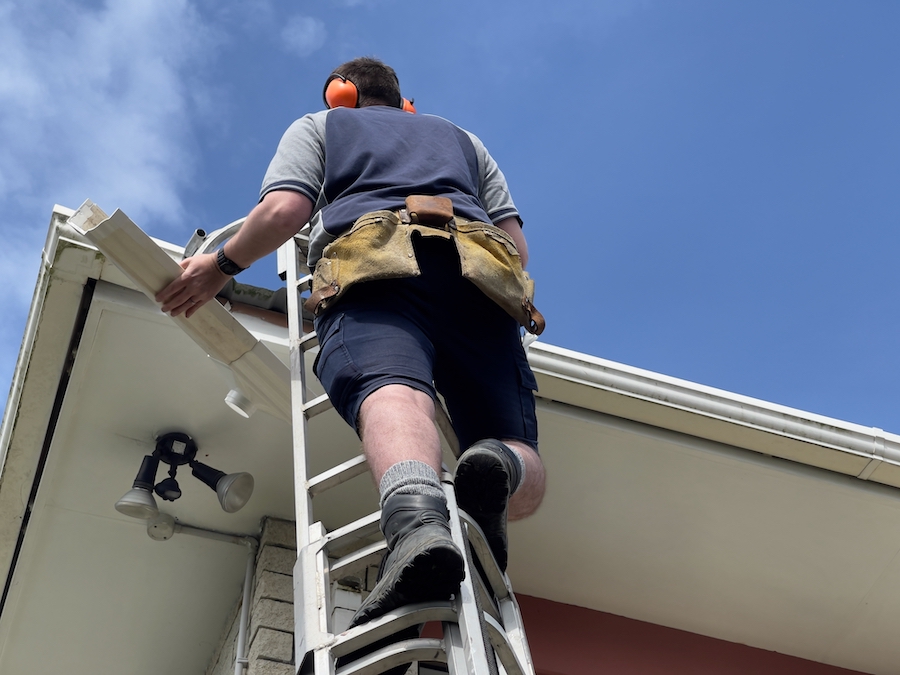
Spreading work across the cool season is budget-friendly and less disruptive. Use the plan below to stage projects and see how preventive care beats deferred repairs—especially near the beach.
Seasonal Planning: Phased Updates vs. Deferred Costs
| Task | Do It Now (Typical Cost) | Defer It (Likely Outcome & Cost) | Risk Reduced |
|---|---|---|---|
| Re-caulk 8–12 window/door openings | $150–$450 (materials + labor) | Water intrusion → trim rot and repaint: $800–$2,000+ | Leak, draft, and paint failure |
| Gutter cleaning and hanger tune-up | $125–$300 | Overflow → fascia rot and repaint: $600–$1,500+ | Wood rot and interior water stains |
| HVAC filter change + coil rinse | $15–$60 filter + DIY time | Restricted airflow → service call: $150–$350; utility increase | System strain and energy waste |
| Spot-prime and repaint exposed wood | $200–$600 | Swelling, peeling, rot → section replacement: $500–$2,500+ | Substrate damage and mold risk |
| Replace rusted deck fasteners | $100–$350 | Loose rails/steps → safety hazard + rebuild: $1,500–$6,000+ | Injury, liability, and structure failure |
Local-Pro Tips to Stretch Your Budget
- Bundle tasks: Combine caulking, paint touch-ups, and gutter service in one visit to minimize mobilization fees and take advantage of pro efficiency.
- Schedule early: Book work after the first cool front but before holiday rush. You’ll get better time slots and quicker turnaround.
- Choose coastal-grade materials: Spend a little more on elastomeric sealants, stainless hardware, and high-build coatings—they last noticeably longer at the beach.
- Rotate zones: This winter, prioritize windward elevations and the most sun-exposed sides. Next winter, rotate. You’ll maintain the whole home without a single big bill.
- Use maintenance calendars: Set reminders for filters (monthly), door lubrication (biannually), and exterior checks (post-storm) to prevent surprises.
FAQs About Jacksonville Beach Winter Home Maintenance
How often should I re-caulk windows and doors near the beach?
Inspect every fall and spring. Expect to re-caulk high-sun, high-salt exposures every 1–2 years and more sheltered sides every 2–3 years. Always remove failed caulk before applying new sealant.
Do I need to pressure wash before repainting in winter?
For small touch-ups, a thorough hand wash with a mild cleaner and rinse may be enough. Avoid high pressure that can drive water behind siding. Let surfaces dry fully before priming and painting.
What can I do about sticky doors during cool, damp spells?
First, verify hinges are tight and latches aligned. Lightly plane swollen edges only if necessary, then seal and paint the fresh edge. For recurring issues and window binding, see Fixing Stuck Doors & Swollen Windows in Jacksonville’s Humid Weather.
Is attic insulation a winter priority in Jacksonville Beach?
Yes. Proper insulation and air sealing reduce condensation and control indoor humidity swings. Check for gaps, compressed insulation, or blocked soffit vents, and correct them before cool-season fronts.
How do I protect exterior metal from salt during winter?
Rinse with fresh water monthly, dry, and apply a corrosion inhibitor or protective coating where appropriate. Replace aggressively rusted fasteners with stainless steel or coated alternatives.
When should I suspect a roof leak versus condensation?
Stains that appear after rain or wind events point to leaks at flashing or shingles. Widespread dampness on cold mornings may be condensation. Check the attic immediately after rain to pinpoint the source.
What’s the simplest energy-saving move for our winters?
Seal drafts at doors and windows, change HVAC filters, and ensure vents aren’t blocked. These small steps often deliver the biggest comfort and bill savings during cool months.
What’s the Next Best Step to Protect Your Jax Beach Home This Winter?
Winter on the coast rewards homeowners who stay a step ahead: seal the small gaps, refresh protective coatings, clear the pathways for water, and tune the systems you rely on for comfort. A few focused hours now can prevent costly damage when the next front blows through.
If you’re ready to schedule an inspection, bundle tasks, or get expert guidance on materials that last near the ocean, reach out to Mark of Jax Beach Handyman and secure your spot on the winter calendar. From precision caulking and paint touch-ups to door, window, and gutter tune-ups, local pros can deliver stress-free results that protect your investment all season long. Schedule an estimate today and head into the coolest months with confidence.

This is the go-to spot for Jili fans. The games are always updated and the lag is non-existent. Big love to phjilibay.
Login is always fast and secure. I don’t have to worry about my account getting locked out. jiliflogin makes the whole process stress free.
Been playing here for a week now and the experience has been solid. Everything is transparent and the withdrawals are on point. Love 393bt